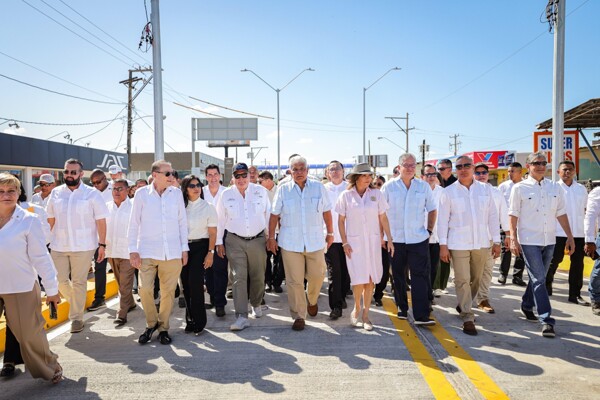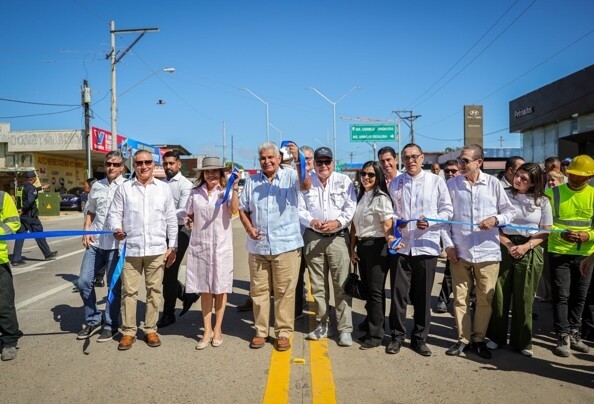
Panamanian President José Raúl Mulino today inaugurated the Chitré interchange, a road project that directly benefits over 200,000 people in the provinces of Herrera and Los Santos, the heart of the Azuero region.
Located on the Chitré bypass, the structure had been shelved for nearly seven years, with only 24% of its progress completed, turning it into a monument to state abandonment. Today, with an investment of B/. 44.5 million, it is once again operational and fulfilling its purpose: to organize traffic, save time, and ensure safety at one of the most transit points in the country's interior.
"You saw that it could be done... When the money goes where it should, the projects are delivered," Mulino stated bluntly before residents and authorities. "This is a project for you, for production, for the people who pay taxes," he emphasized.
The interchange is designed on three levels. At the top, an elevated viaduct of nearly 620 meters with two lanes allows for smooth traffic flow over Avenida Roberto Ramírez De Diego. In the middle level, a modern roundabout facilitates turns without the previous chaos. An underground tunnel directly connects Chitré with La Villa de Los Santos, cutting down the minutes that were previously lost in eternal traffic jams.
The project also includes two pedestrian bridges, something residents had demanded for years to prevent accidents and foretold tragedies.
During the event, the president addressed the agricultural sector, reminding them that Azuero lives off the land and the sweat of its producers. He stated that his government has been proactive in avoiding crises like those of rice, onions, and milk, and announced that in February an Expanded Agricultural Cabinet meeting will be held in Coclé.
"Just as this project advanced, the country will advance," Mulino insisted, betting that 2026 will mark the economic start that people have been waiting for.
Public Works Minister José Luis Andrade said: "This project was abandoned, stopped, incomplete. It could not repeat that story." He assured that it was rescued on the president's orders and was completed with responsibility and transparency.
The Chitré interchange not only improves traffic. It impacts the economy, commerce, tourism, and agricultural production, strengthening the internal connection of Azuero and access to basic services.