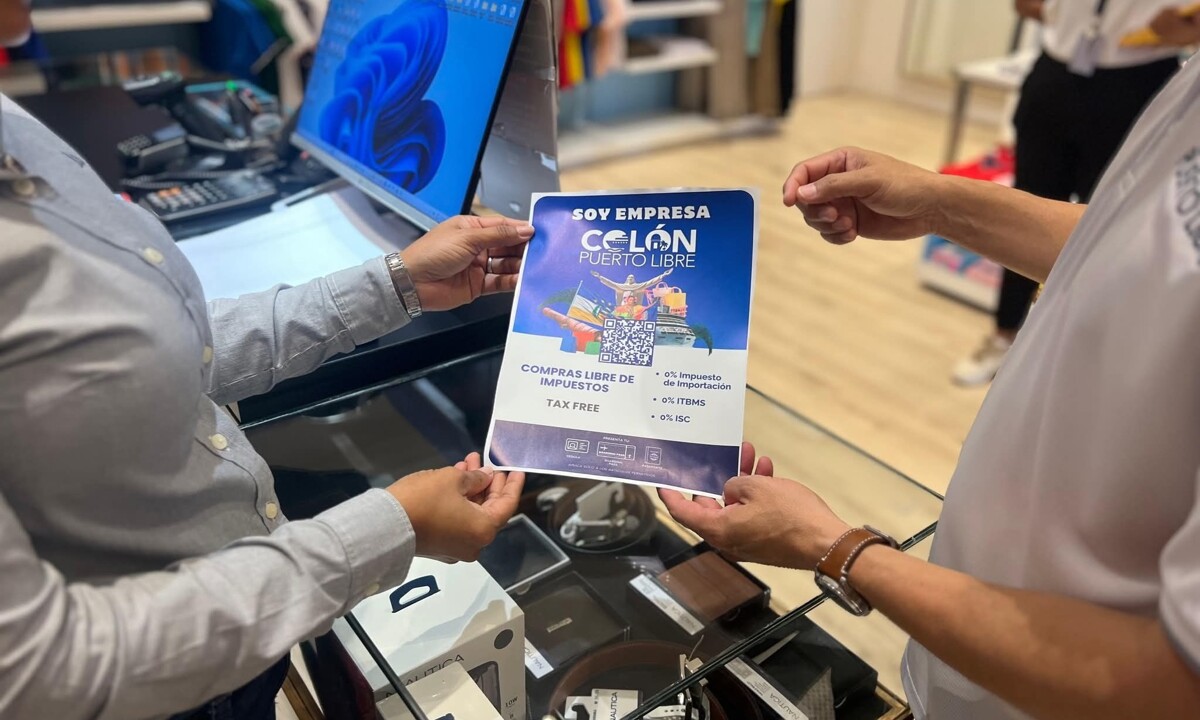
Currently, 58 companies are registered on the 16 streets of the city, offering tax-free products to both residents and tourists. This meeting will also present the advances and challenges of the Free Port System, which has generated employment in the region and boosted commerce in Colón, but still faces obstacles due to limited infrastructure and unused land. The evaluation of reforms to the Colón Free Port Law is seen as a crucial opportunity to transform Colón into a regional economic development hub, stimulating investment and improving the quality of life for its inhabitants.
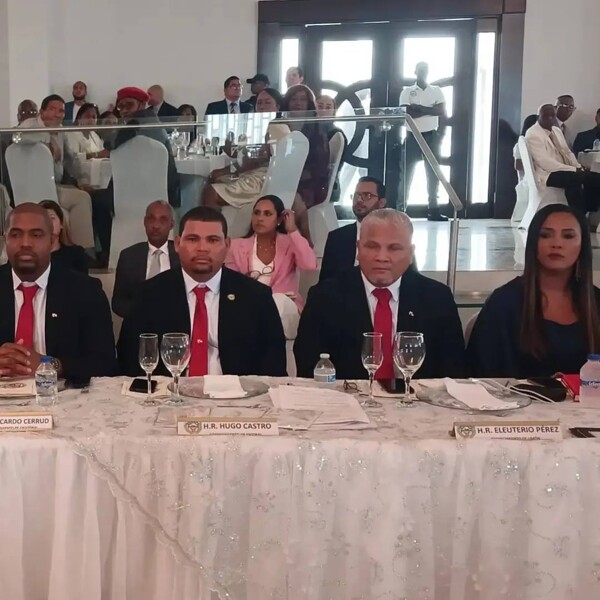
Next week, the Advisory Board of the Colón Free Port Special System will meet to evaluate possible reforms to the Colón Free Port Law, with the aim of improving commercial conditions and promoting the development of the region. Together, they will analyze the effects the law has had on the city and evaluate possible modifications that will strengthen commercial activity in the province.
One of the most discussed changes is the expansion of the catalog of products that can be sold tax-free, which could further boost the local economy and attract new investments. Among the main issues to be discussed are the vacant lots in the city, which are currently off the market and cannot be used for new investments due to law restrictions.
The president of the Board, Carlos Gómez, indicated that the current regulation allows the Executive to expropriate abandoned land within the urban area of Colón, which could be a way to recover these spaces and allocate them for commercial projects. However, Gómez emphasized that the goal is not to impose severe sanctions, but rather to incentivize owners to reinvest in their properties to revitalize the area.
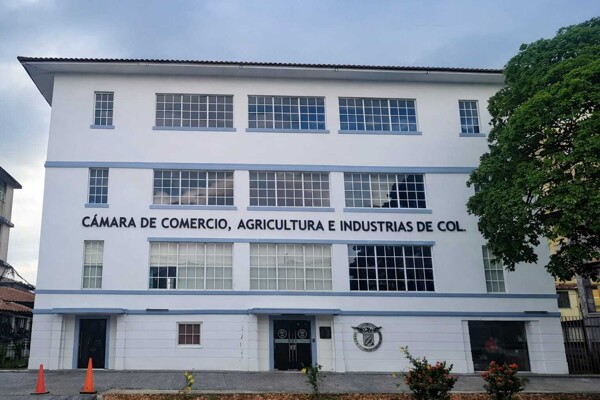
The board is composed of authorities from different entities, including the Ministry of Commerce and Industry, the Ministry of Economy and Finance, the General Customs Directorate, the Colón Chamber of Commerce, union representatives, and other key actors from the private and public sectors.