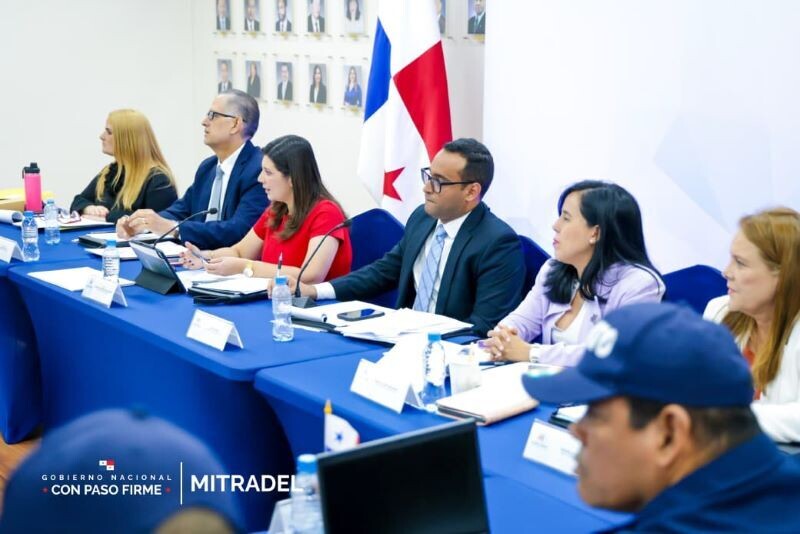
The National Minimum Wage Commission held its first session in a 'very productive and positive' manner, characterized by a dialogue and consensus-seeking atmosphere among the involved sectors.
During the meeting, the situation of the basic basket and the need to guarantee access for Panamanian families to essential products were widely discussed. During this time, negotiations will take place and proposals from different sectors will be presented.
Regarding the proposal to equate salary Zone 2 with the rest of the country, the Minister of Labor acknowledged that the idea is of a complex nature.
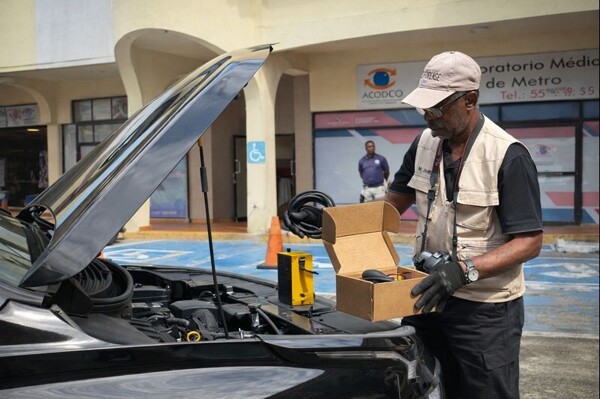
The first session's day featured important presentations from various government institutions and labor representation bodies. Presentations were made by the following entities: Ministry of Health (MINSA), Ministry of Economy and Finance (MEF), Ministry of Agricultural Development (MIDA), Comptroller General's Office, Consumer Protection and Competition Defense Authority (ACODECO), and Ministry of Labor and Labor Development (Mitadel).
Additionally, representatives of the National Council of Organized Workers (Conato) presented a detailed analysis of the factors that directly impact the needs of workers and their families.
The Minister of Labor and Labor Development, Jackeline Muñoz de Cedeño, highlighted the commitment and responsibility of both the worker and employer sectors in evaluating a salary adjustment based on the country's current situation. Muñoz de Cedeño assured that the environment is conducive to reaching an agreement that satisfies all parties.
The potential impact that a salary adjustment could have on employed workers, those seeking employment, and crucially on micro and small enterprises—considered the 'backbone' of the economy and most sensitive to these decisions—was also analyzed.
The commission has established an official schedule for the development of presentations and negotiations between employers and workers, with the presence of observers and technical teams from each sector.
Minister of Labor informed that the regulation and official schedule have already been approved, stipulating a four-week deadline to reach a consensus. The deadline to achieve this agreement is December 10. She recalled that a previous review involved reducing the salary regions from three to two, which already represented a considerable increase for companies, whose effects are still being felt while the national economy recovers.