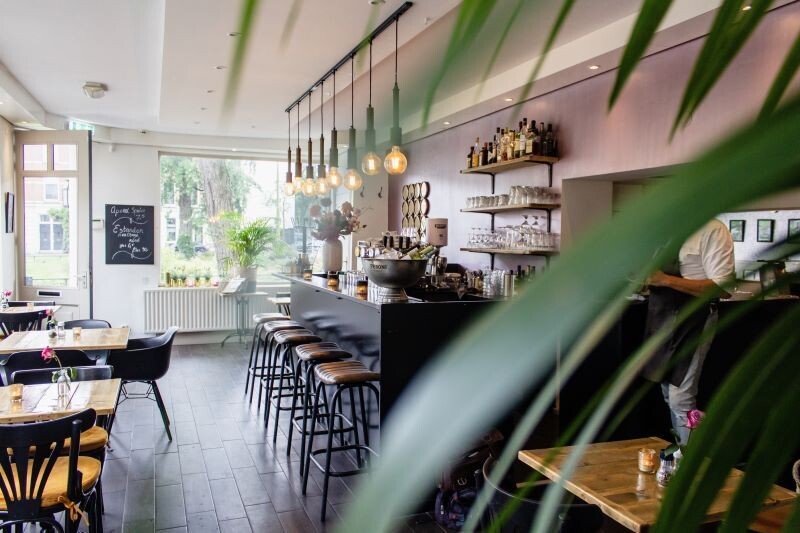
In Panama, where retail continues to grow, understanding the power of commercial space design is a competitive advantage. That feeling is no accident: it is the result of a strategic commercial space design that balances aesthetics, functionality, and consumer psychology. In Panama and throughout Latin America, where the retail sector has consolidated itself as an economic engine, brands that bet on well-thought-out commercial architecture are differentiating themselves in an increasingly competitive market. Commercial space design is more than just an aesthetic exercise: it is a strategic tool that directly impacts sales and brand perception. It is about knowing the customer, anticipating their needs, and creating spaces that reflect their values. That is why successful brands design every touchpoint (from the window display to the checkout) thinking about how the customer will feel at each stage of the journey. Spaces that sell: how commercial space design transforms the shopping experience In Panama, where retail continues to grow, understanding the power of commercial space design is a competitive advantage. That feeling is no accident: it is the result of a strategic commercial space design that balances aesthetics, functionality, and consumer psychology. In Panama and throughout Latin America, where the retail sector has consolidated itself as an economic engine, brands that bet on well-thought-out commercial architecture are differentiating themselves in an increasingly competitive market. Commercial space design is more than just an aesthetic exercise: it is a strategic tool that directly impacts sales and brand perception. It is about knowing the customer, anticipating their needs, and creating spaces that reflect their values. That is why successful brands design every touchpoint (from the window display to the checkout) thinking about how the customer will feel at each stage of the journey. Trends redefining retail in 2025 The retail sector is constantly evolving, and sustainability remains one of the pillars of interior design, with the use of recycled, organic, and local materials gaining prominence. Brands that adopt sustainable practices not only improve their image but also reduce long-term operational costs. In 2025, retail spaces are transforming into something more: stores that include fitness studios, relaxation areas, and corners for socializing. That is why understanding how this discipline works is key for any business seeking to grow. Commercial architecture as a competitive advantage Commercial architecture seeks to balance aesthetics and functionality, considering cultural, social, and economic variables that affect the interaction between users, brands, and products. How commercial space design maximizes retail sector profitability Beyond aesthetics, well-planned commercial architecture balances functionality and consumer psychology to create shopping experiences that foster brand loyalty. Brands investing in this discipline not only improve their sales figures but also build lasting relationships with their customers. It is about designing an ecosystem where every element—from the facade to the furniture—works together to facilitate sales and create an emotional connection. A well-thought-out design influences consumer behavior, facilitates navigation through the store, and effectively highlights products. These details, combined with good climate control and ambient music, turn a simple visit into a pleasant moment. Various studies, such as those by Salesforce, show that around 80% of customers value the shopping experience as much as the product. In a world where e-commerce is advancing by leaps and bounds, physical stores must offer something that a screen cannot: complete sensory experiences. Biophilic design, which incorporates indoor plants, vertical gardens, and natural light, improves aesthetics and creates a sense of calm in customers, fostering a more pleasant shopping experience. In a market where competition is fierce and options are abundant, standing out is no longer optional: it is a necessity. Every detail counts: materials, furniture, and layouts communicate who you are as a brand. The result: stores that not only sell but also foster loyalty. Creating memorable experiences, not just sales points A good commercial space design makes shoppers enjoy the act of buying, creating positive and memorable bonds with a brand. And when this process is supported by a partner with a one-stop solution proposal—capable of coordinating certified suppliers and meeting deadlines and budgets—the impact of the space multiplies. The entrance Spaces that sell: how commercial space design transforms the shopping experience first appeared in Panama News Panama's daily newspaper Novelties. It is not just about selling products, but about creating experiences that inspire and connect. When approached with a comprehensive methodology (from the discovery stage to the design and delivery of the space), commercial architecture becomes a true business tool. It is not just about placing nice shelves or painting walls in bright colors. From boutiques to supermarkets, every square meter tells a story and guides the customer toward a purchasing decision. Brands that understand this invest in customer flow studies, strategic lighting, and intelligent space distribution. Stores that achieve this generate loyalty and become destinations, not just pass-through points. Designing to connect, not just to sell At the end of the day, the best commercial space design is one that achieves a perfect balance between beauty, functionality, and profitability. Additionally, the integration of natural materials such as wood, stone, and organic textiles reinforces that connection with the environment. From interactive screens to contactless payment systems, technology is integrated subtly to improve functionality without sacrificing aesthetics. Personalization goes beyond technology. Imagine entering a store and feeling that every corner invites you to stay. Once inside, surrounded by the product, conversion becomes more likely. With the increase in operational costs, optimizing every square meter is a priority, and the trend points towards more compact spaces that offer a complete brand experience. Lighting highlights the products without being aggressive, the flow is natural, and even the scent makes you feel comfortable. This implies strategic layout design, intelligent use of vertical space, and modular furniture that adapts to different needs. The power of personalization and technology The integration of technologies, led by artificial intelligence, allows for improvements in the customer experience, more personalized offers, and changes in processes. The idea is to attract people even if their main goal is not to buy.