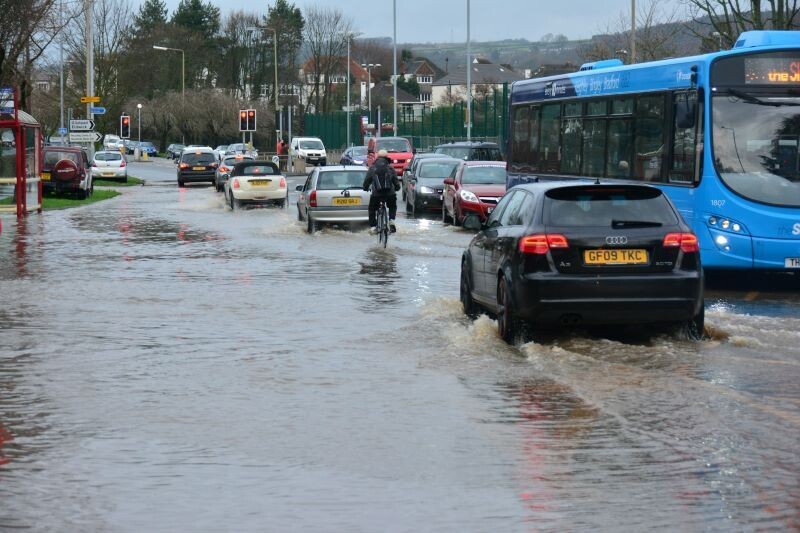
Marsh urges Latin American companies to adopt a holistic approach to climate risk management as extreme weather events intensify in the region, such as rising extreme temperatures.
The study reveals that most companies are experiencing direct consequences from extreme events but are not conducting the necessary cost-benefit analyses to justify greater preventive investment.
High Exposure, Low Adaptation Marsh's "Climate Adaptation Survey 2025" analyzed responses from risk managers worldwide, finding that 78% of organizations face climate-related impacts like floods, water stress, or heatwaves. The most relevant data indicates that 74% of surveyed companies report asset losses and disruptions from these events.
Challenges include other business priorities overshadowing climate initiatives and a lack of understanding of future climate scenarios. Marsh is innovating with flexible, customized insurance solutions that integrate advanced risk and future scenario analyses. According to the analysis, investments in prevention could avoid up to 30 times the costs associated with reconstruction.
Risk Landscape in Latin America and the Caribbean In the Latin America and the Caribbean region, 32% of respondents were affected by extreme climate events in the last three years, though the rise in extreme temperatures is particularly alarming. These solutions aim to both transfer financial risks and incentivize investments in preventive measures.
During 2023, the regional average temperature was around 1.39°C above the 1961-1990 baseline. Rodrigo Suárez, Climate & Sustainability Leader for Marsh Latin America and the Caribbean, commented that the region, like the rest of the world, is not investing consistently in adaptation given the severity of the risks.
"It is urgent to adopt a holistic approach that integrates both asset-level and systemic assessments, incorporating climate adaptation into corporate risk management frameworks," said Mr. Suárez.
The study highlights that systemic risks, such as dependencies on critical infrastructure and supply chains, are often underestimated, which could amplify the effects of intensified climate events.
Financing Challenges and Marsh Solutions A significant portion of respondents (40%) cited insufficient funding as an obstacle to effective climate adaptation. Despite this high exposure, only 38% of organizations conduct detailed climate risk assessments, while 22% do not assess future climate impacts at all.
The firm incorporates state-of-the-art climate modeling technologies, such as the Sentrisk tool, which allows clients to comprehensively map supply chains and identify gaps for building resilience.