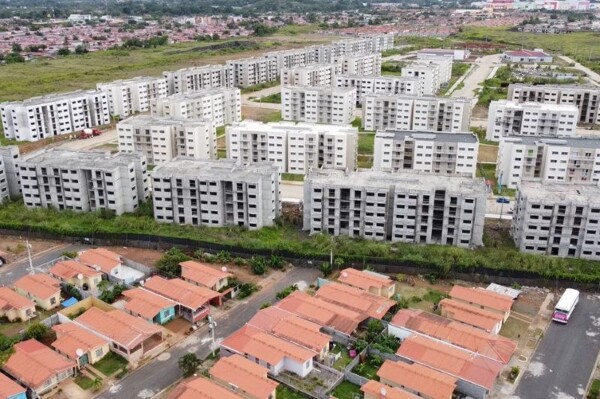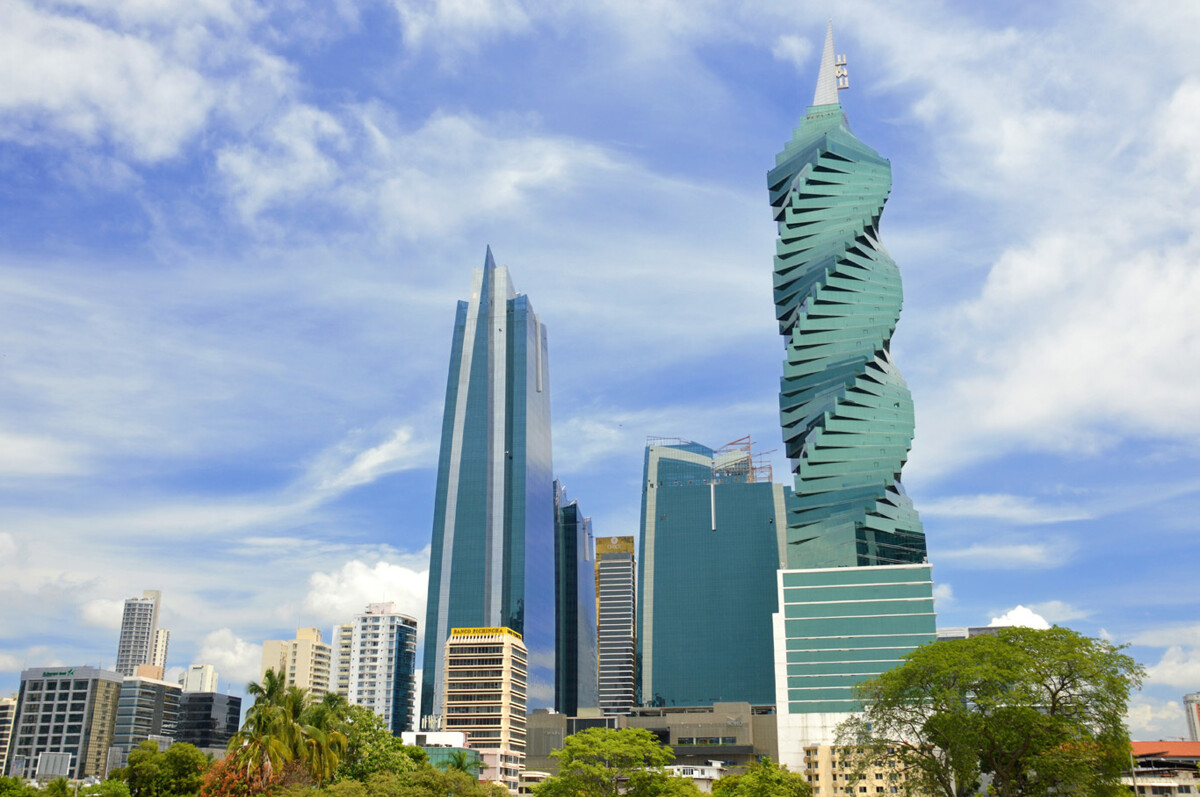
Small details that once stayed under control now need more frequent attention, leading to higher building costs and a sense that buildings age faster than expected.
Hallways and Elevators: Where Moisture Finds Every Weak Point
As soon as you leave the lobby and walk into the hallways, another set of changes appears. These additions cannot undo the challenges of climate change, but they help slow the rate of deterioration.
The Human Side of Living in Buildings That Change Faster Than Expected
Behind every structural problem stands a resident trying to maintain a comfortable home. Paint deteriorates faster, mold spreads more easily, leaks appear where none existed, and common spaces require more maintenance than they did even a decade ago. Climate change no longer shows up only in news reports. Landlords who furnish units, especially with items similar to commercial furniture, now perform more frequent checks to make sure surfaces stay intact.
Balconies and Exterior Walls: Where the Climate Leaves Its First Marks
The outside of the building absorbs the heaviest impact. They install dehumidifiers, improve insulation, seal windows more carefully, and check for leaks more often. Walk through almost any apartment building in Panama today and you can feel how the climate has shifted. A small leak becomes more likely in buildings that rely on aging valve systems. Even interior items like artwork or electronics age differently in high humidity. They show real symptoms that residents confront every day.
Inside the Apartments: Where Heat and Humidity Touch Daily Life
Inside private units, the effects become personal. The heat sticks to the walls longer, the air feels heavier, and the buildings themselves seem to carry a quiet fatigue. Electricity bills rise, maintenance fees increase, and unexpected repairs interrupt daily routines. Families invest in air purifiers, new AC units, and better ventilation to adapt to these conditions. Some residents install dehumidifiers in multiple rooms just to keep their homes comfortable. Moisture affects wiring, materials expand in unexpected ways, and furniture requires more care than before. Even decorative pieces, from wall art to lobby plants, react to the combination of higher temperatures and swirling humidity.
People across Panama are learning how to maintain homes under conditions that keep changing. People feel the climate shift not only through hotter nights or sticky air but also through the growing cost of keeping their apartments livable.
The Lobby: Where Heat and Moisture Make Their First Impression
If you stand for a moment in the lobby of a typical building in Panama City, you can feel the shift immediately. The lobby sets the tone for the entire building, and many residents notice how different it feels compared to a few years ago. It carries more moisture in the air. The air conditioners work harder than they used to, often running from early morning until late evening. The electricity bill creeps upward because cooling systems switch on earlier in the day and stay on much later into the night. It is louder with AC units turning on and off.
Floors also react to the changing climate. Laminate bends, tiles detach, and wooden doors shift until they scrape the floor. Moisture settles into corners, dark spots appear on ceilings, and mold grows in places where it rarely grew before. People who never dealt with these issues now search online for quick fixes between professional repairs. Children and older adults feel the impact of humidity on breathing conditions.
Elevators: Facing Their Own Battles
Elevators face their own battles. When corrosion begins, it spreads faster than most building owners expect. Electrical components inside the elevator system react to humidity in unpredictable ways, leading to more short circuits and emergency visits from service teams. Metal doors show rust earlier, and technicians spend more time dealing with moisture entering the shaft.
Rooftops: A Place Where Climate Pressure Never Stops
Up on the roof, the effects of climate change reveal themselves even faster. Heat strikes with full force, breaking down waterproof materials that once held for many years. A membrane that handled sun and rain reliably now develops cracks sooner. Drainage plays a critical role on the roof. Over time, cracks appear, and once water enters these cracks, the heat dries them quickly, widening the gap and allowing even more water to enter during the next storm. If drains clog with leaves or debris, the water forces itself into any available gap. When tiles fall, they create a clear hazard for pedestrians, leading to higher insurance requirements and pressure for immediate repairs.
Water tanks react to temperature fluctuations as well. Heat causes expansion, which stresses the tank’s joints. Metal frames holding the tanks endure continuous exposure to both sun and moisture. Salt carried inland from stronger coastal winds accelerates corrosion. Salt particles travel farther due to stronger winds and stick to metal surfaces.
Looking Forward: A Future Built on Adaptation
Despite these issues, rooftops are also starting to represent part of the solution. Some buildings install solar panels to offset higher electricity costs. Developers experiment with reflective coatings that reduce heat absorption. Ventilation designs grow more sophisticated. Waterproofing receives more attention during planning stages. Construction materials shift toward moisture-resistant options.
Annual budgets that once covered routine repairs now stretch thin as buildings fight climate-driven deterioration. Property managers plan for larger repair budgets, new materials, and preventive inspections. Homeowners associations feel the pressure as well. They debate how much to spend and when, because delaying a repair usually leads to higher costs later.
The buildings do not react in abstract ways. They show real symptoms that residents confront every day. The climate that shaped Panama for generations has shifted, and the architecture built under old assumptions now faces new demands. The coming years will require construction that adapts to this reality and communities that understand what it takes to protect their homes. Buildings can be repaired and redesigned, but the conversation now includes how people live inside them, how they prepare for the unexpected, and how they respond when the climate acts in ways no one predicted.
Each part of the building tells a small piece of the story of a country adjusting to rising temperatures, heavier rain, stronger coastal winds, and seasons that follow less predictable patterns. Panama’s apartments reveal that the environment touches every part of daily living, sometimes quietly and sometimes in ways that cannot be ignored.