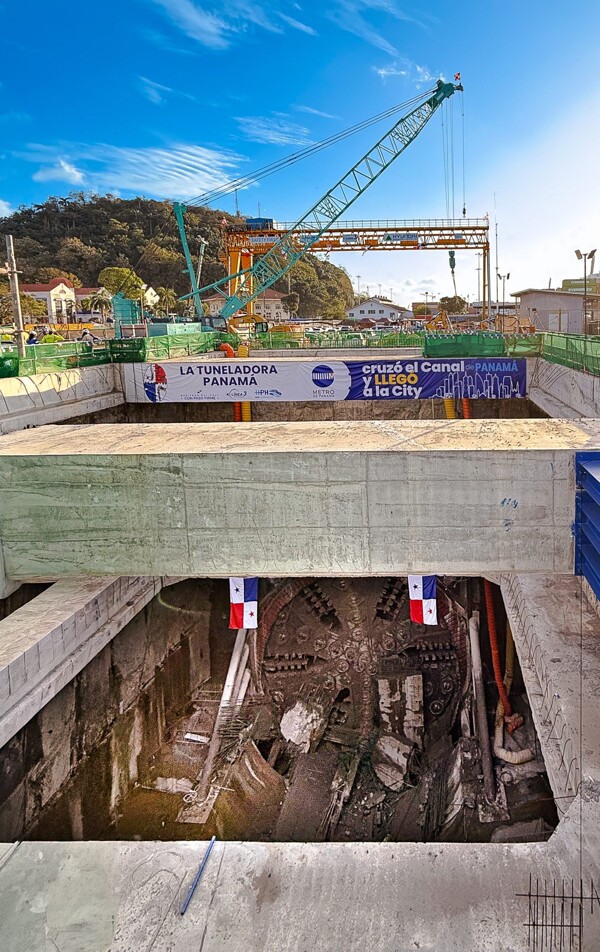
Carlos Cedeño, Director of Projects for the Panama Metro, told TVN Noticias that for Line 3, there is a redundancy system with different external substations to power the network, allowing operations to continue in case of a failure. 'The metro is gaining maturity with this group of people who then move on to operation and maintenance,' he concluded. 'The trains have already undergone static tests, which are functional verifications once they arrive in Panama and are assembled at the Future City yard,' he detailed. In the event of any unforeseen incidents, Line 3 of the metro has a contingency system that will allow it to handle them and guarantee the safety of users. Cedeño detailed that in the event of a total blackout, 'the substations will have a battery system that will allow the trains to reach the next station'. Finally, Cedeño highlighted the experience of the Panamanian workforce, who are knowledgeable about trains, tunnels, and other experiences that enable them to go abroad and contribute. This measure aims to mitigate the need to evacuate people through the walkways, viaducts, or tunnel. Cedeño emphasized that they have begun with some tests as part of the different stages of the project; however, tests of the substations have started in the yard area and at station 10. 'By that time, the conditions must be in place for substantial acceptance and for the training of the operations and maintenance personnel, who will be one hundred percent Panamanian,' he stated. It is expected that this work will be ready by October 2028. In total, Line 3 will consist of 25 km, which, according to Cedeño, could be traveled in 37 minutes from Future City to Albrook, with 11 stations in its first phase.

Panama Metro's Line 3 Redundancy System Ensures Uninterrupted Operations
Carlos Cedeño, Director of Projects for the Panama Metro, explained the redundancy system for Line 3, which will allow operations to continue in case of a failure. He also mentioned static train tests, contingency plans, and the training of Panamanian staff. The 25-kilometer line is expected to be ready by October 2028.