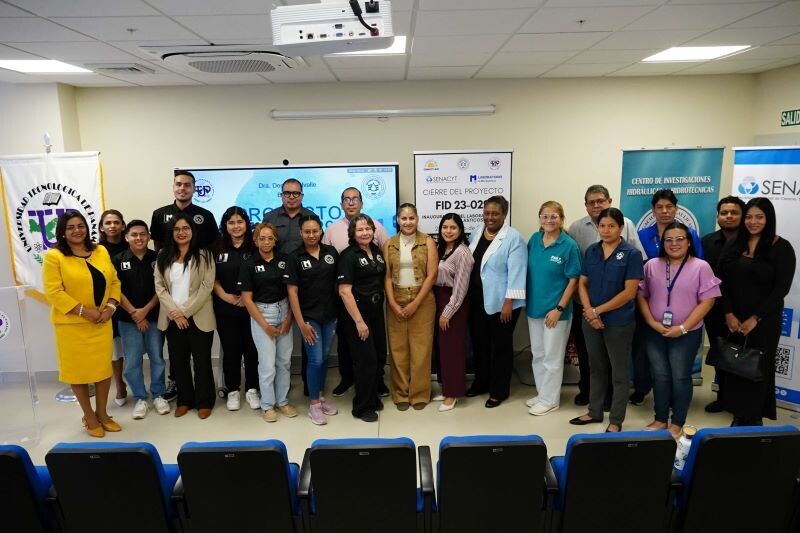
Panamanian researchers have presented the results of a 27-month scientific project on microplastic pollution in Lake Alhajuela. The primary objective of the research was to determine the presence of microplastics in the lake's surface water, water column, sediments, and biota. Scientists found that fragments and fibers are the dominant physical forms of pollution. The study also revealed that the highest concentrations of these materials were recorded during the dry season, with critical pollution points located in the Tranquilla and La Represa areas. Researchers emphasized the need to establish a permanent monitoring program to characterize the composition of polymers and map the transport pathways of these pollutants, thereby ensuring the protection of aquatic biodiversity and the potability of the water resource for the population. Students from the Senacyt program also warned about the presence of these elements in bivalves, which act as bioindicators and are part of the human diet, linking ecosystem health to food security.