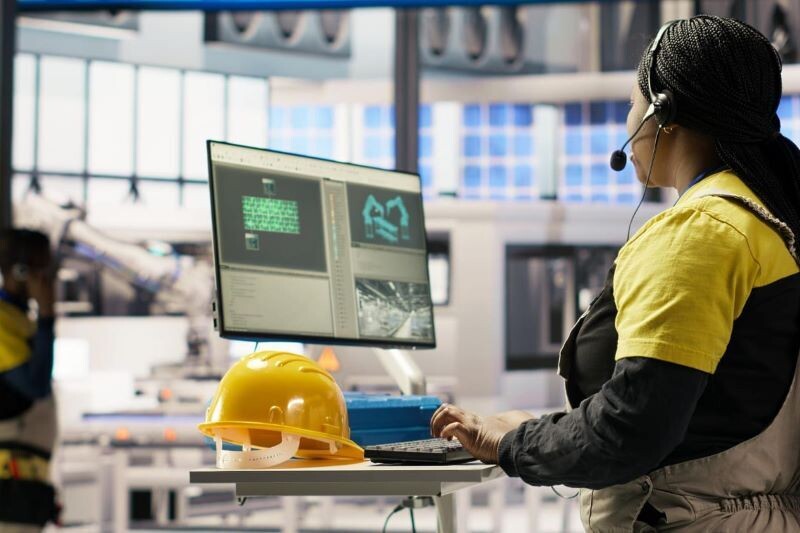
Much of the infrastructure originally designed to operate offline is now connected to the internet, making it vulnerable to automated malware execution from anywhere in the world.
Recommendations for Infrastructure Protection In this scenario, industrial cybersecurity specialists suggest:
• Regular Assessments: Continuously identify vulnerabilities using specialized solutions like Kaspersky Industrial CyberSecurity. • Component Updates: Promptly apply security patches to critical components to avoid costly disruptions. • Implementing EDR Solutions: Use advanced detection tools to investigate incidents and respond effectively. • Technical Training: Strengthen the knowledge of IT and operations teams to recognize and mitigate advanced threats.
Daniela Álvarez de Lugo, Kaspersky's regional manager, highlights that "industrial environments have entered a stage where digital risk exposure is permanent." This dynamic confirms that attackers are no longer just looking for technical vulnerabilities but are exploiting supply chains and trusted relationships between vendors to compromise networks that were once considered isolated.
The adoption of autonomous AI-based agents in malicious campaigns has been a disruptive factor over the past year. This technology allows attacks to adapt and spread through industrial networks at a speed faster than traditional methods, reducing detection times and increasing the risk of production downtime or physical damage to facilities.