The Living Holy Week in Pesé, Panama's main religious festival, is preparing for a new edition with the backing of the community and legislative advances that seek to strengthen and preserve this cultural manifestation with over seven decades of history.
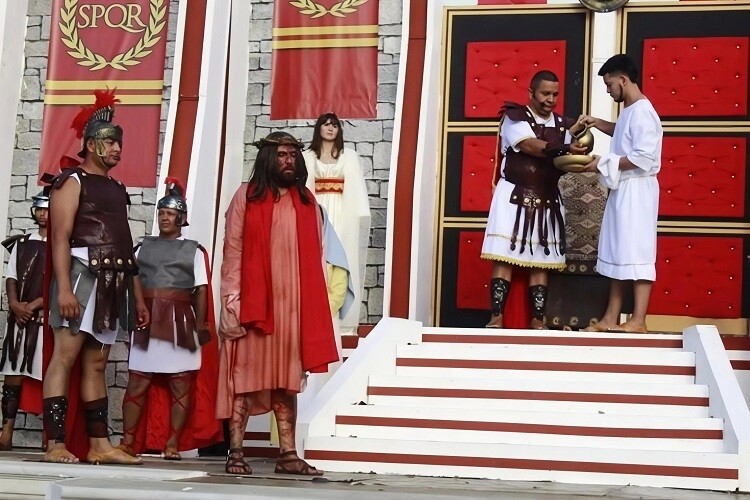
This dramatization of the Passion, Death, and Resurrection of Jesus Christ, held since 1954, turns the district's streets into a great open-air stage every Holy Thursday and Holy Friday, with the participation of over 100 volunteer actors, including children, youth, and adults from the community.
The event attracts thousands of visitors from different parts of the country, becoming one of the most important religious traditions in the province of Herrera. Besides its spiritual and cultural value, the activity has a significant economic impact on the district. It is estimated that between 25,000 and 30,000 people mobilize each year to witness the performance.
This flow of visitors generates movement in hotels, transportation, restaurants, and food stalls. Meanwhile, many residents take the opportunity to sell food, religious articles, and other products. The event organizers highlight that the Living Holy Week has become an economic engine for the community, as numerous families participate, directly or indirectly, in the commercial activities generated during those days.
Although the actors participate voluntarily, the event organization requires significant logistics that include stages, lighting, sound, screens, and technical equipment, raising production costs to over 25 thousand dollars. Therefore, the parish and the organizers have reiterated the call to the private sector, institutions, and people of good will to continue supporting this tradition that each year gathers thousands of faithful and visitors, reported Father Jonathan Mendoza, from the organizing committee.
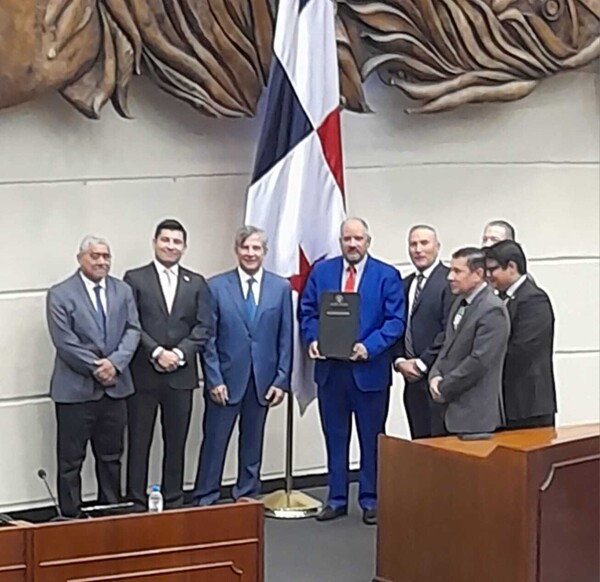
Amidst this scenario, the National Assembly of Panama approved in third debate bill 329, which declares the dramatization of the Living Holy Week in Pesé a National Folkloric Event and creates its Patronage, an initiative that now awaits presidential sanction. According to Deputy José Luis Varela, the legislative proposal seeks to involve institutions such as the Ministry of Culture, the Tourism Authority of Panama, and the Ministry of Education to promote programs for artistic promotion, training, and logistical support to ensure the continuity of this tradition.
For the Pesé community, the approval of this law represents a historic step in the recognition and strengthening of one of Panama's most emblematic cultural and religious expressions, which, in addition to keeping the faith alive, has become an important boost for local tourism and the economy.