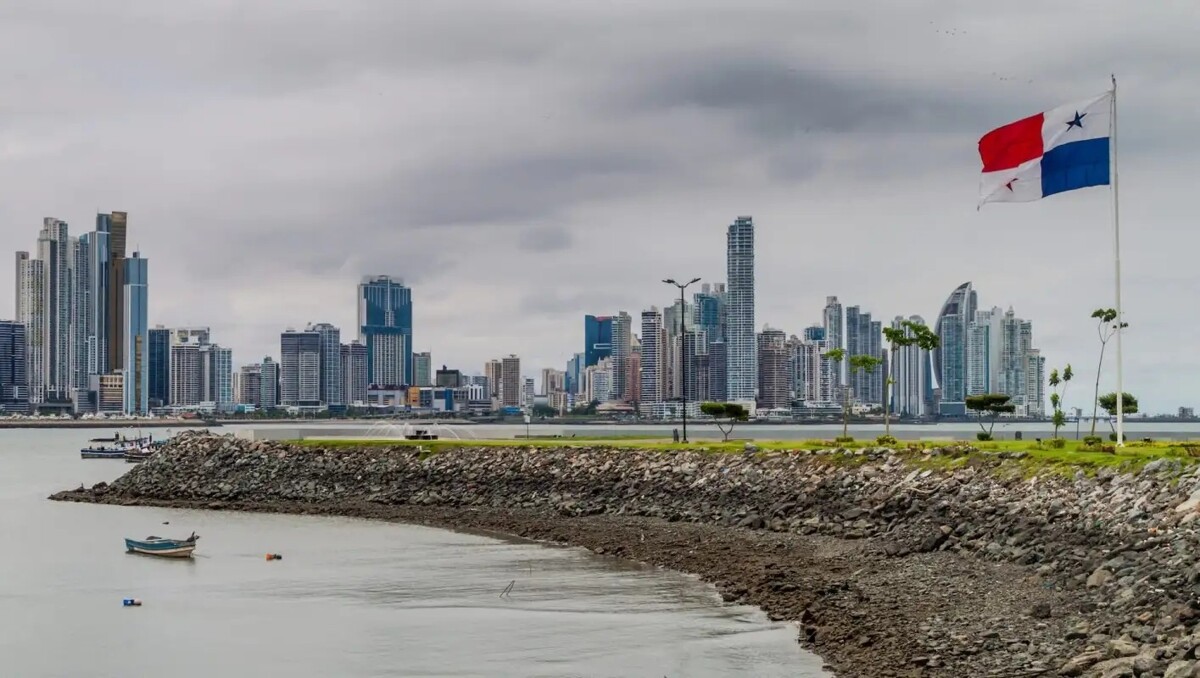
In October 2025, Panama's economic activity showed positive results in most productive sectors. According to the National Institute of Statistics and Censuses (INEC), the Monthly Index of Economic Activity (IMAE) registered a year-on-year growth of 4.77% in October 2025. In the accumulated period from January to October, the variation was 4.36%.
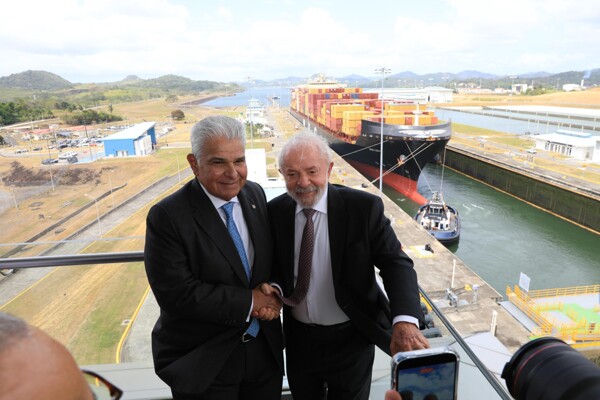
The Panama Canal experienced significant growth, beginning fiscal year 2026 with a 5.6% increase in vessel transits. In October, there were 1,029 transits, 55 more than in the same month of the previous fiscal year. The National Port System also showed growth, handling 872,157 TEUs in October, an 11.1% increase year-on-year. From January to October, the system accumulated a total of 8,240,994 TEUs, a year-on-year increase of 3.1%.
Several key sectors demonstrated positive momentum. Transport, storage, and communications continued to grow, driven by the Panama Canal, air transport, and TEU container movements. Financial intermediation strengthened due to an increase in local deposits and loans, while insurance activity showed favorable results in multiple segments. The hotels and restaurants sector was sustained by the arrival of tourists by air and cruise ship.
However, some sectors showed unfavorable performance. Private construction, additions, and repairs decreased by 12.9% compared to October 2024. Industrial production also showed negative results in areas such as tomato derivatives, milk, and soft drinks. The agricultural sector was affected by a decrease in the export of bananas and watermelon, and fishing activity declined due to reduced exports of fish and chilled and frozen fish fillets.
The Colón Free Zone registered a negative rate, affected by the lower value of goods re-exports. The Panamanian Chamber of Construction indicates that the sector's dynamism has not fully recovered due to a paralysis in the first half of the year caused by a lack of clarity in the laws governing preferential mortgage loans.
On social issues, economist Carlos Araúz points out that “inequality remains significant, and the rate at which poverty is decreasing has been slowing down.” He also noted that it is essential to create more formal jobs to improve the economic situation of Panamanian households. Araúz added that to maintain the investment grade in 2026, it is necessary to implement changes expected by rating agencies such as Moody's and Standard & Poor's, including a serious discussion about the mine, carrying out works like the Indio River reservoir, and reducing public spending and curbing the fiscal deficit.