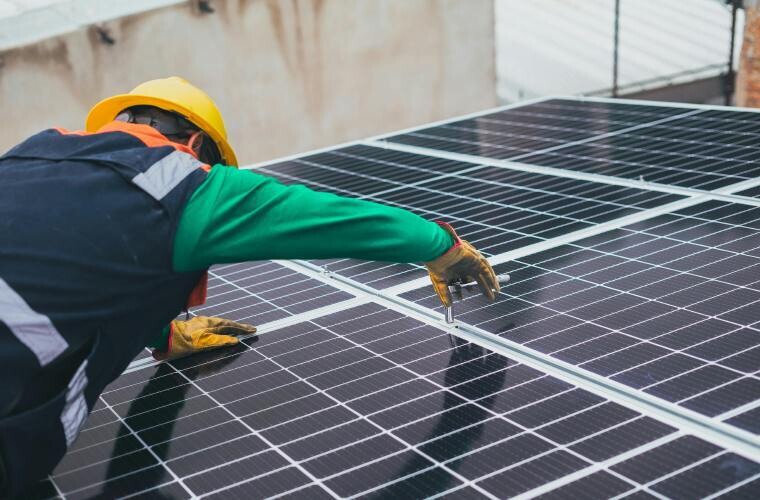
Reducing electricity gaps in the country is not just about bringing power to homes, but about creating a plan to improve living conditions, as many families lack the resources to afford this service. 'That little money they had to pay now serves for something else,' he told Panamá América. He detailed that this project will benefit over 300 homes, meaning 1,000 families that, although already connected to the grid, cannot afford to pay for the service, forcing them to sacrifice other needs like buying food and medicine. 'For the first time, we have considered some cases, not all because we can't, but we have verified that they really don't have money to buy food; these are human beings, and we will try to help them,' he stated. The first of these panels will be installed in the province of Coclé, near the facilities of the Technological University of Panama (UTP), in the first half of January, and will be replicated in other provinces of the country to benefit the most in need. The director of the Rural Electrification Office (OER), Antonio Clement, mentioned that the installation of these solar panels on interconnected rural aqueducts aims to shift the main load of the system onto them to generate significant savings on electricity bills. 'With this type of system, their consumption is going to decrease and, possibly, they can get a credit that will help them.'