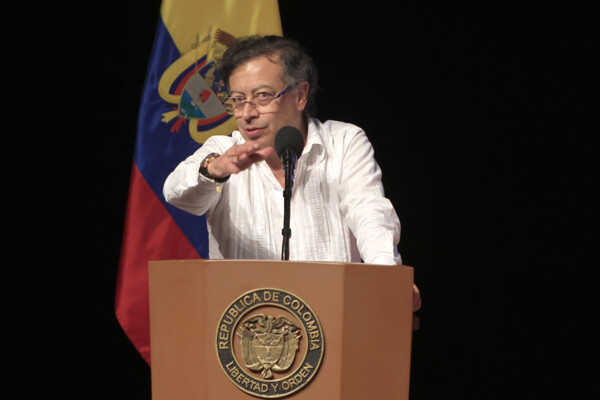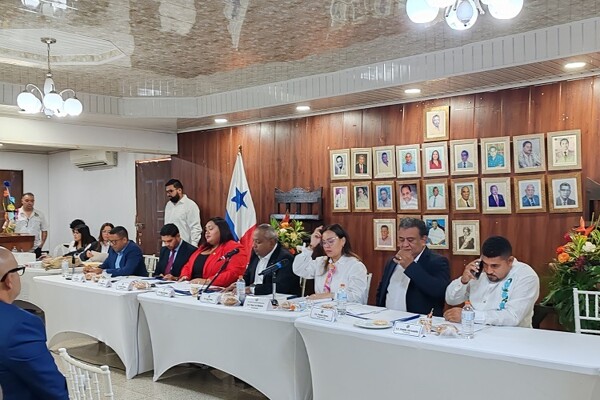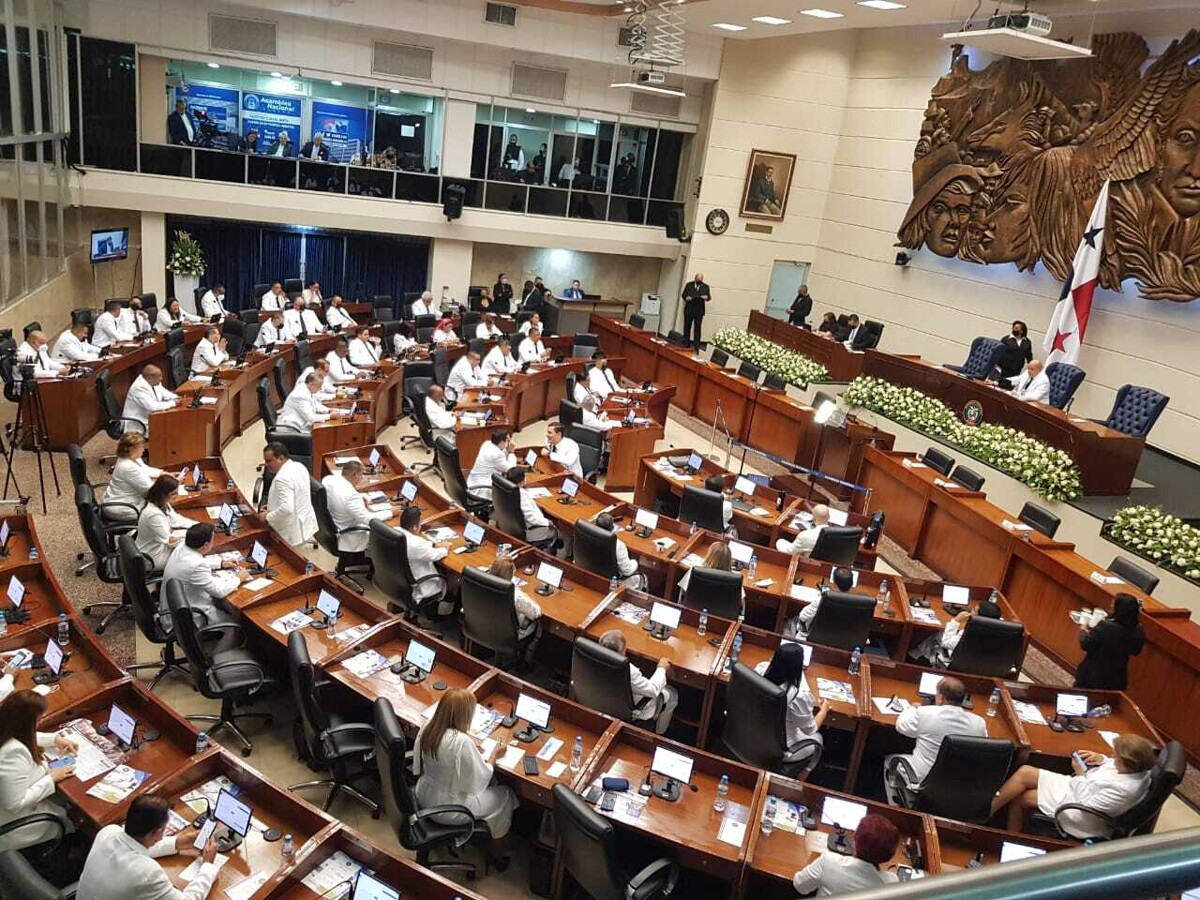
The Panamanian government urges the National Assembly to discuss the bioethanol project, which would boost the economy and generate over 10,000 jobs. Agro-industry and sugar producers advocate for the project's approval, which would also have a positive environmental impact and represent a significant investment opportunity in the country and jobs for thousands of rural families. The Minister of the Presidency, Juan Carlos Orillac, stated today that implementing the Bioethanol Project in Panama would represent a major investment that would boost the economy and generate over 10,000 direct and 20,000 indirect jobs. "We estimate that it could generate around 10,000 direct and 20,000 indirect jobs if we carry out this project and manage to get the agro-industry to take the initiative, obviously the private sector, to create this bioethanol production plant," he pointed out. Minister Orillac's words came during his participation in the opening of the 'Bioethanol Roundtable: Job Generation, an Opportunity for Agriculture and a Boost for the Economy,' an event organized by the Association of Sugars and Alcohols of Panama (AZUCALPA) and the Union of Industrialists of Panama (SIP). Minister Orillac explained that while the project is being discussed, the National Government is approaching the private sector and producers, including independents, to clarify their doubts, so that the push for bioethanol is a joint effort and achieves its social and economic impact. "Part of what was asked for and what we are going to generate the relevant conversations is financing for small producers with state banking, so that they can be included in this production scheme. In addition, a recurring effect on the local economy and a significant boost to investment is projected: purchase of equipment, irrigation, expansion of cultivated areas, and new productive capacities in agricultural and agro-industrial activities," he noted. During the roundtable, among other conclusions, the panelists raised the need for the bioethanol project to be approved and regulated, so that there are "clear rules" that provide legal certainty and guarantee a return on investment, so that both the agro-industrial sector and producers (large, small, and medium-sized), with government support, can make the necessary investments to increase sugarcane production needed for the project, to achieve the planned objectives and benefits. This initiative not only represents job opportunities for thousands of Panamanians, mainly from humble rural sectors, but also the possibility of recovering hectares of land that stopped being used for cultivation due to the particular situations facing the agricultural sector. "It is a project that comes to generate an important benefit in rural areas and jobs, and that is what we want in this country," he remarked. In turn, Rosmer Jurado, president of SIP, highlighted that regarding the issue of bioethanol, Panama needs informed conversations, with data, with a national vision and with openness to dialogue; for this reason, he highlighted the participation of the private sector, producers, experts in the field, and government authorities in events such as the roundtable they organized. He said that when we talk about bioethanol, we are not just talking about a fuel, but a value chain that can translate into jobs, dynamism for agriculture, industrial activity, better air quality, and greater energy resilience for Panama. "We are talking about concrete opportunities. We are not talking about four sugar mills, we are talking about 320 families that today grow sugarcane and that can be doubled," he stated. He also indicated that Panama lacks significant fossil resources and depends almost entirely on the import of fuel for transportation, which exposes the national economy to the volatility of international oil prices and generates constant pressure on its trade balance. In this sense, he emphasized that in Panama—a country highly dependent on hydrocarbon imports and with international environmental commitments—bioethanol emerges as a potential alternative within the energy policy and sustainable development framework. "We also have an important issue with gasoline exportation; we are going to leave, in this case, if the project is not approved, 10% of that fuel cost; it no longer stays abroad, but stays here in the country, generating or boosting the economy. It is a project that generates a lot of employment in rural areas, it is an integral project, and with a positive environmental impact. It caught my attention that there are more than 320 independent producers today, growing sugarcane, and it is important that the population knows this. A program of this nature can generate a considerable number of direct and indirect jobs. Therefore, he urged the National Assembly (AN) to discuss "as soon as possible" this initiative that the Executive Branch has already presented to the deputies for consideration before the end of 2025. "We have again proposed the bioethanol project, and its approval is what would give the green light for this to start."