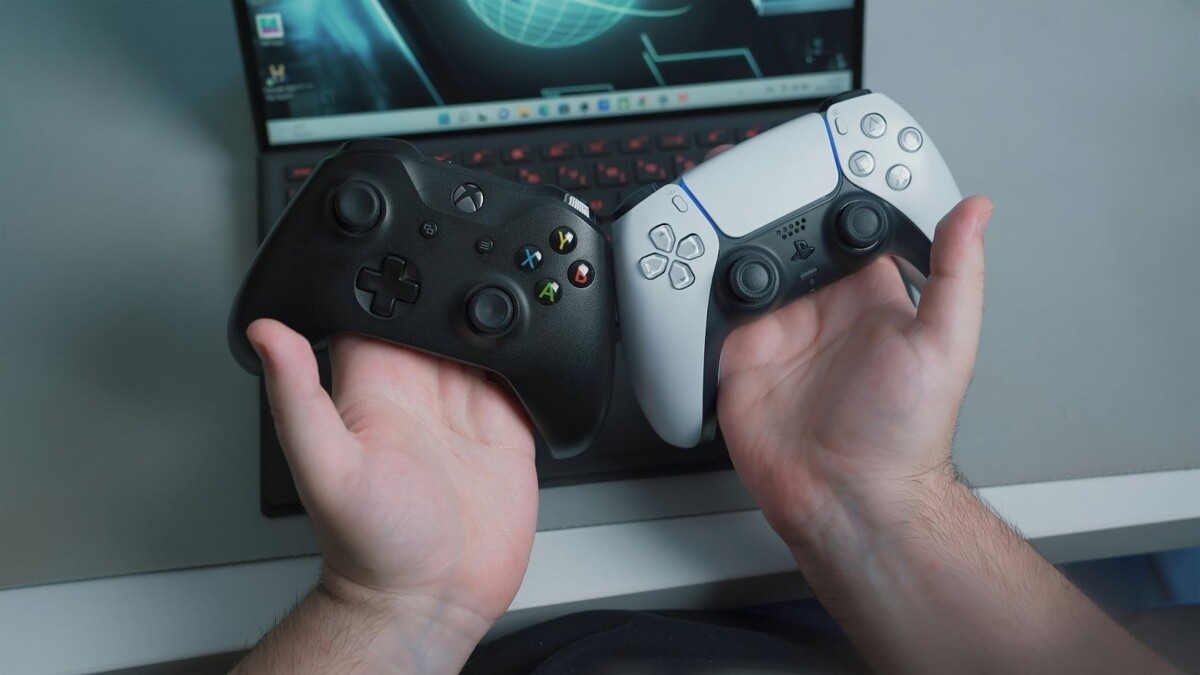
The better move is a short post-mortem that stays concrete: What information was missing at the moment of choice? What was the next-best option, and what did it trade away? Did the plan fail because it was wrong or because variance hit? This is how uncertainty becomes usable: not by eliminating it, but by naming it. Where odds meet psychology. Sports betting is game literacy applied to markets. Over time, strong bettors behave less like fans and more like analysts: they compare implied probability to their estimate, and they accept that even a real edge can lose on one chaotic night. Transfer season for the mind. Not every game teaches decision-making well. The practical skill is not “predicting” a match like a fortune teller; it’s choosing a price, a market, and a stake size that respects uncertainty. If you only learn from outcomes, luck becomes your coach. Pattern-hungry brains and the trap of “certainty”. After a tough loss, players invent a single cause, such as bad teammates or one “throw” moment, because a story feels safer than uncertainty. That tight loop trains a habit most people lack: judge the process, not only the outcome. Poker culture has a blunt reminder here: a good decision can lose because variance shows up. Games teach that you can play well and still lose, play poorly and still win, and that neither outcome should own you. A practical takeaway: Write your best estimate before you act. Note what would change your mind. Review the decision later, not the emotion. Then close the laptop, put the controller down, and notice what lingers: the future is still foggy, but you’re no longer pretending it isn’t. Games don’t debate those biases; they make you meet them, again and again. Small stakes, honest feedback. Real life often grades you late and unfairly. Modern betting has its own classroom, and betting programs shape that classroom by putting odds, statistics, and line movement into one place where comparisons are possible. Even in Catan, the dice and hidden hands force you to negotiate with probability rather than certainty. Like scouting a lane in League of Legends before committing, test the smallest step that reveals information. Budget your attention. When the tool is smooth, the mind has more room for the hard part: thinking in ranges and updating without ego. The calm that comes after the guess. Decision-making under uncertainty isn’t about becoming fearless. The point isn’t nonstop action; it’s consistency: define the market, estimate probability, size the risk, then live with the result. That distinction sounds abstract until you feel it: a decision that is rational, but still might fail. Research on judgment under uncertainty, associated with Daniel Kahneman and Amos Tversky, explains why the mind leans toward overconfident stories and sharp loss-avoidance. At their best, they train a tougher skill: choosing when the facts are missing. You learn to separate what you know from what you hope. That means knowing when to stop hunting certainty and start pricing what you do know. Over-commit in chess, and the position collapses. Roguelikes teach you to pause after a run and change one thing, not everything. That’s how uncertainty stops feeling like an ambush and starts feeling like terrain. A pocket-sized decision lab. Most people now make their decisions on the same device that handles messages, maps, and deadlines. The lesson is simple: estimate, commit, adapt. The fog is the point. Uncertainty isn’t a bug in good games; it’s the engine. You can borrow their lessons without turning life into a scoreboard. Useful transfers: Make one reversible move first. Designers hide information to force judgment: face-down cards in poker, the “fog of war” in StarCraft II, unknown rooms in Slay the Spire. Just like a player reads tempo in a match sim, a bettor reads information moving through the week: injuries, lineup news, travel fatigue, weather, and the public’s favorite storyline. In chess, time is a resource; in life, so is focus. A poker player can’t see the next card, yet still has to act. Annie Duke’s writing on probabilistic thinking helped bring that idea beyond card rooms. A squad in Counter-Strike 2 hears footsteps, not certainty, and decides anyway. Green and Bavelier’s 2003 Nature study tied action-game play to sharper visual selective attention, later synthesized in Bediou’s 2018 meta-analysis. Guest Contribution – Games don’t just reward fast thumbs. A chess player sees the whole board, yet can’t see the future. A mobile setup that includes live odds, match stats, and fast navigation can turn “what if?” moments into structured choices, and downloading the MelBet APK can sit at the center of that routine when a quick decision window opens. That mix of partial information, time pressure, and consequences looks a lot like life in 2026, when “perfect data” usually arrives after the choice. Games grade you fast. Make a greedy play in Hades, and you pay for it in the next room. The ones that do share traits: meaningful trade-offs, readable consequences, and room for adjustment. It’s about becoming less surprised. Decide what you will not track. Use checkpoints.