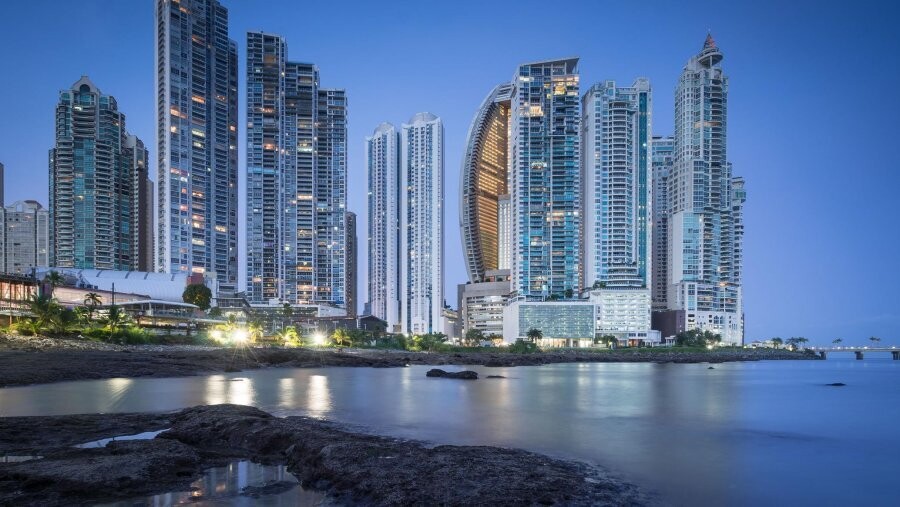
The casino industry in Central America is gaining momentum, forming a new 'casino corridor' from Panama to Mexico's Yucatán Peninsula. Experts note that the growth of the iGaming industry not only does not hinder land-based casinos but also makes them more popular, acting as a form of advertising for classic gambling. In Panama, where the gaming and adjacent sectors account for almost 5% of GDP, this growth is linked to digital transformation and cross-sector partnerships. In Q1 2025, Panama's Gross Gaming Revenue (GGR) reached $671.8 million, up 11.3% year-over-year, bolstering the country's position among international operators. This growth is supported by over $259 million in investments in the tourism infrastructure of Yucatán and Quintana Roo since the start of the year.
The success of projects within this corridor is often linked to the quality of local partnerships, well-designed architecture for multi-format offerings, a strong compliance system, and conservative financial modeling. However, constraints exist, including the risk of infrastructure overload in Mexico's Caribbean region, regulatory heterogeneity across states, and currency volatility. Panama is positioning itself as a regional industry hub due to its stable legal framework, competitive tax environment, and international connectivity. Meanwhile, Yucatán and Quintana Roo are building a resort foundation, targeting higher-spending tourists. Mexico is currently discussing a draft federal gambling law to unify standards and strengthen investor protection.