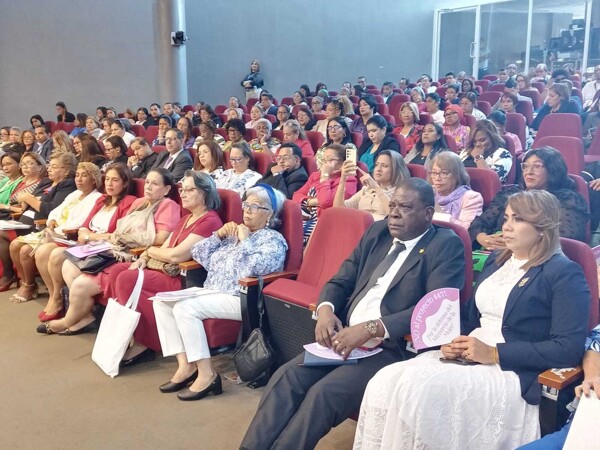
A report by the Public Defender's Office and the United Nations Children's Fund (UNICEF) on the situation of the rights of Afro-descendant girls, boys, and adolescents in Panama reveals that 2 out of 10 Afro-descendant children in the country live in poverty. In its presentation, the Defender Eduardo Leblanc stated that this study has established that Afro-descendant childhood and adolescence in Panama face structural gaps, situations of social exclusion, and discrimination. "Afro-descendant girls, boys, and adolescents have spoken to us with profound clarity about the inequalities they face: from gaps in health and education to the multiple forms of racism and violence that run through their lives." The authorities mentioned that these educational, social, economic, and territorial gaps not only reflect structural challenges but also the urgency of advancing toward a country where no child is left behind. The study also found that at least 12,000 Afro-descendant children and adolescents aged 6 to 17 are out of school. Rates of violent discipline in their homes are higher than in the general population (51% vs. 45%), especially corporal punishment (34% vs. 29%). More than 6,000 are working, and another 6,000 are in early unions, mostly girls, and adolescents report ethnic discrimination and school bullying. The challenge is to turn these commitments into basic social services—education, health, protection, and family support—that reach those most in need, close to them, in their communities, and in social norms that include all children, girls, and adolescents without discrimination." The findings show that Afro-descendant minors continue to face exclusions and inequalities that limit their comprehensive development. The most violated rights of this population are family protection, living free from violence and discrimination, education, and participation in cultural life. The Afro-descendant child population in Panama totals 312,412, according to the 2023 census, which is 26% of the country's population under 18. "Their testimonies remind us that these are not isolated situations, but structural realities that we must transform with urgency," he added. Sandie Blanchet, UNICEF's representative, stated that "Panama has assumed clear commitments through the Convention on the Rights of the Child and other international instruments, as well as through Law 285 of 2022, which establishes the System of Guarantees and Comprehensive Protection for Childhood."

Report: 2 in 10 Afro-descendant Children in Panama Live in Poverty
A report by Panama's Public Defender and UNICEF reveals systemic poverty and discrimination against Afro-descendant children. The study shows that one in five children faces inequality in education, health, and violence.