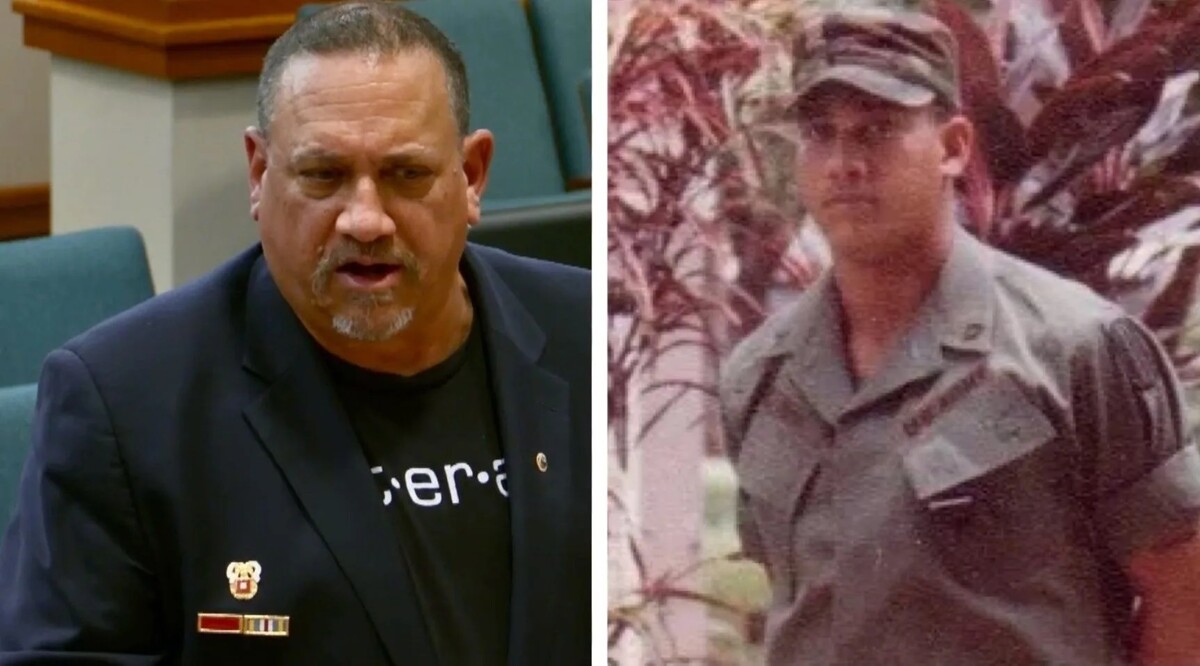
Duty in Panama also meant exposure to the remnants of herbicides, including Agent Orange, that had been routed through the bases in the 1950s, ’60s and ’70s on its way to combat in Vietnam. Along with those exposures, Steven Price believes the pesticides used in the country may also be to blame for health issues. "We have not just a plethora, but an overwhelming amount of evidence that shows that Agent Orange and DDT and a bunch of other chemicals were shipped into Panama," Price said. Advocates have developed a robust campaign on toxic exposures in Panama. In a bipartisan letter sent to then-Veterans Affairs Secretary Denis McDonough in February 2024, 19 members of Congress wrote that public documents corroborate the presence of Agent Orange in Panama and nearly 400 veterans have developed cancer, heart disease, and other health issues "consistent with herbicide exposure," but have been denied disability compensation. Under the 2022 Promise to Address Comprehensive Toxics Act, PACT Act, veterans can receive disability compensation for specific health issues linked to toxic exposures from their service — i.e., Iraq and Afghanistan burn pits, and Agent Orange in Vietnam. Agent Orange and similar chemicals that he worked around in Panama have long-understood health impacts. In 2017, a military spouse catalogued Agent Orange shipments in her book: "The Travels of Orange: and Other Toxics." A 2018 Government Accountability Office report found "inaccurate" and "incomplete" federal records for shipping, storage, and testing documents related to Agent Orange and similar chemicals. In addition to Agent Orange, Price advocates for expanding Panama-related toxins. In recent decades, Price and hundreds of other veterans of Panama discovered troubling information they were not privy to during their service, but became relevant as they were diagnosed with a range of health issues. The VA follows a Department of Defense list of duty locations for "presumptive" status, a list that does not currently include Panama. Those fogging operations "released benzene- and dioxin-bearing particulates equivalent in toxicity to other exposures already covered by the PACT Act of 2022," veteran groups wrote in a call-to-action announcement, referring to burn pits. Steven Price grew up in Panama and enlisted in the U.S. Army in 1981. He spent three and a half years in Panama, first as a radio operator and then as a linguist, deploying to Honduras and El Salvador. Price left the Army in 1987. Now 66, Price is a 100% disabled veteran who was diagnosed with Chronic Lymphocytic Leukemia and Ischemic Heart Disease. Those locations form a list of duty stations where vets are presumed to have been exposed just by being there. A civilian researcher catalogued the relevant science, and a Navy veteran launched a search platform of public documents to support VA claims. To control insects, the poisons were mixed with diesel to be sprayed from trucks.