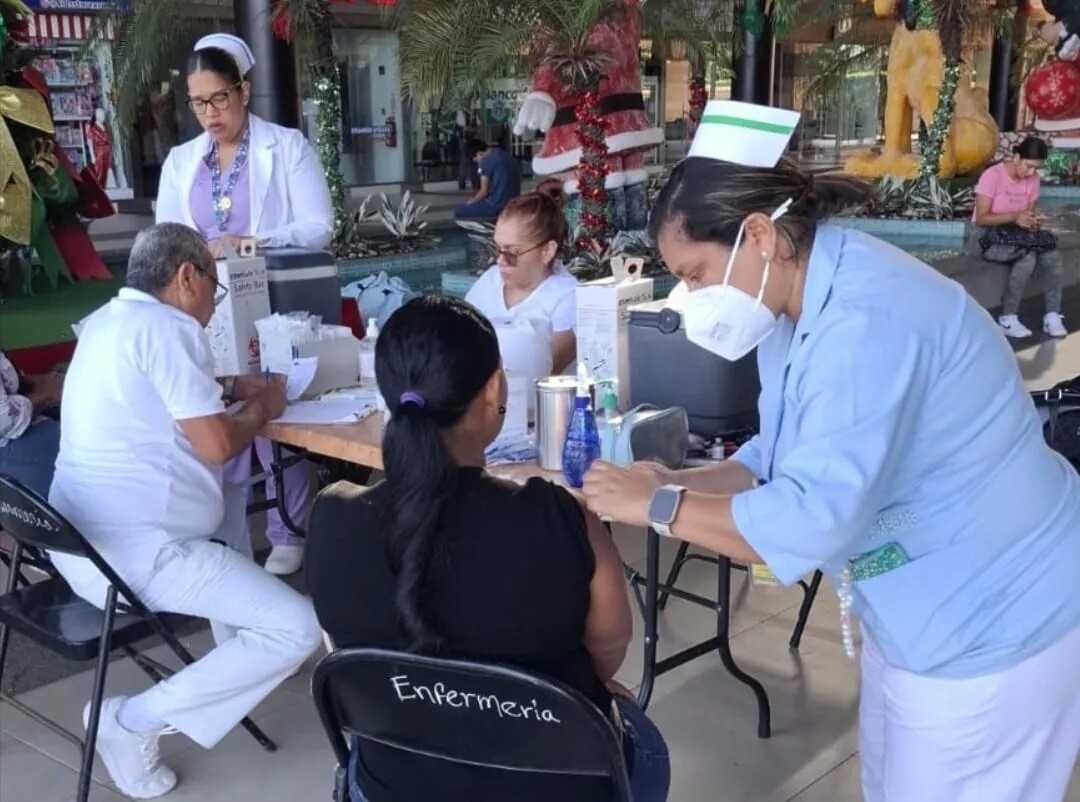
The Panama Ministry of Health (Minsa) has strengthened surveillance following the confirmation of cases of Influenza A (H3N2), subtype K. Dr. Blas Armién, National Head of Epidemiology at Minsa, reported that after three cases were confirmed, peri-focus actions were activated, which include the active search for people with respiratory symptoms, sample collection, and vaccination. Rapid response teams conducted interventions in the residences and communities linked to the three positive cases, whose samples were analyzed by the Gorgas Memorial Institute for Health Studies (ICGES). Armién explained that so far, the most circulating strain has been Influenza A (H1N1); however, Influenza A (H3N2) has also been detected in recent weeks. The Panama Ministry of Health is maintaining serological and molecular biology surveillance, including real-time PCR tests and genomic surveillance. The epidemiologist noted that the most common symptoms of influenza include fever, headache, general malaise, runny nose, sore throat, and cough. In this context, he reiterated the importance of vaccination, especially for the most vulnerable population (people with diabetes, hypertension, kidney disease, weakened immune system, children under five, pregnant women), as well as the adoption of preventive measures such as avoiding crowds, staying home if you have a cold, and wearing a mask when necessary. He recommended covering your mouth and nose with a handkerchief, the inside of your elbow, or a paper towel when coughing and sneezing to reduce virus transmission. The epidemiologist emphasized that if symptoms appear, people should promptly seek medical attention at health facilities to receive treatment with antivirals such as Oseltamivir. He also urged people not to self-medicate and to seek professional guidance.