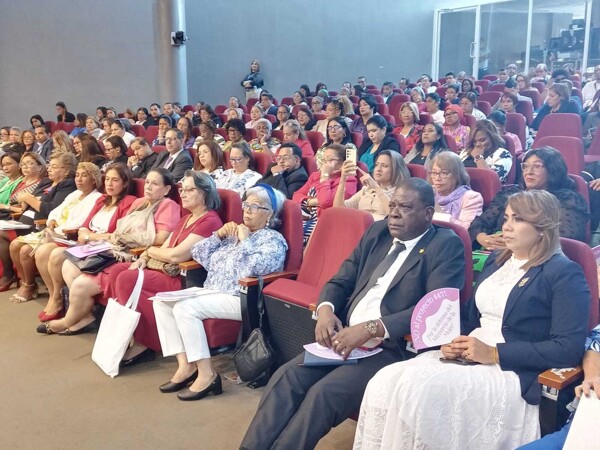
Renán Arjona, coordinator of the 'Panamá, Cuéntame' observatory of the CCIAP, detailed that from the age of 15, the figures for pregnant minors show a significant upturn that requires attention if we want to ensure the enjoyment of their childhood. This increase is mainly recorded in the provinces of Darién, Bocas del Toro, and the Guna Yala, Emberá-Wounaan, and Ngäbe-Buglé comarcas, areas where the coverage of the public health system is limited, which could pose a risk for mothers; therefore, those in charge of the study maintain that it is necessary to strengthen sexual and reproductive health programs at the national level. The prevention of adolescent pregnancy remains a pending task for health authorities; a report from the Chamber of Commerce, Industries, and Agriculture of Panama (CCIAP) revealed that the fertility rate among minors aged 10 to 19 has increased by 15% in the last five years, placing Panama above the regional and world average. The body states that 'adolescent pregnancy widens the gaps in educational and economic inequality between men and women.' Cost According to the United Nations Population Fund (UNFPA), the cost of the opportunities associated with pregnancies at early ages amounts to 1.5 billion dollars, as it is not only about girls taking on the role of mothers, but also about abandoning their studies, since in most cases, they are forced to suspend their learning process, limiting the development of their potential and access to the labor market. In turn, the Vice Minister of Health, Manuel Zambrano, mentioned that the necessary actions are being taken to address this and other public health problems that the country has been dragging for several years. The authorities reiterated that it is time to leave behind the taboo that exists around sexual education so that there is a cultural change that empowers women and their decisions go according to their age, generating benefits for both themselves and the state. 'We have been reinforcing the measures since we took office on July 1st so that citizens have a better quality of life and care,' he said.

Rise in Adolescent Pregnancy in Panama Raises Concerns
According to CCIAP, the adolescent fertility rate in Panama has increased by 15% in the last five years. Authorities emphasize the need to strengthen sexual health programs and overcome cultural taboos to combat an issue that exacerbates inequality and costs $1.5 billion.