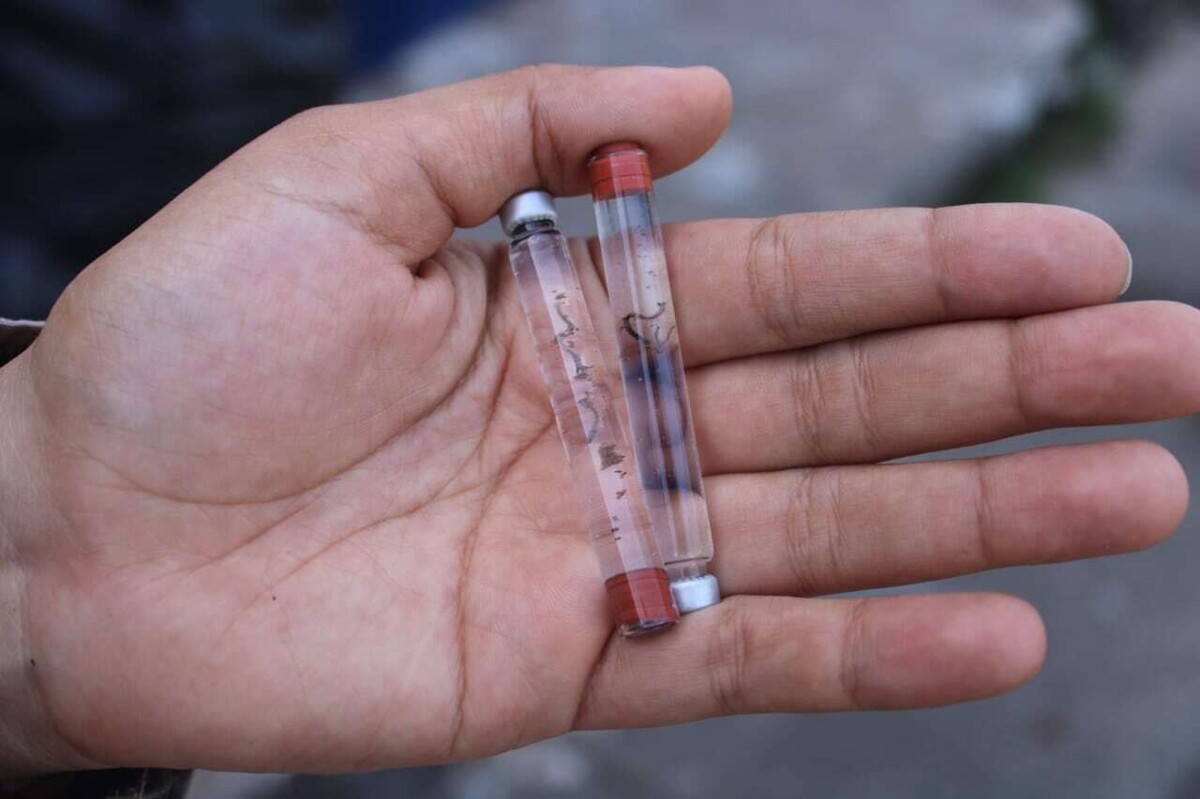
At the national level, an incidence rate of 35.4 cases per 100,000 inhabitants is observed. The institution highlighted the need to reinforce preventive measures, urging citizens to actively participate in the elimination of mosquito breeding sites. The disease continues to particularly affect children and young people aged 10 to 14, who lead the incidence statistics. Citizen participation remains crucial in this fight, as the elimination of breeding sites is key to preventing a major outbreak, the report reiterates. Additionally, nearly 200 people have required hospitalization due to the disease, affirms the Minsa. According to the report for epidemiological week number 11, from March 15 to 21, 2026, the Metropolitan Region leads the records with 415 cases, followed by Colón with 232 and San Miguelito with 176; while other areas such as Bocas del Toro, West Panama and East Panama also report concerning figures. The country registers a significant increase in dengue cases, reaching a total of 1,670 people affected, of which 194 present warning signs, 10 have been classified as severe dengue, and six have died, reported this Thursday the Ministry of Health (Minsa). The deaths have been reported in the regions of Bocas del Toro (3 cases), Los Santos (2 cases) and Coclé (1 case). Furthermore, citizens are urged to keep the surroundings of their homes clean and without waste accumulation. Symptoms to watch for Dengue symptoms include fever, headache, general malaise, muscle pain, and eye pain. Authorities recommend eliminating any container that can accumulate water, such as cans, bottles, and tires, as well as covering containers intended for water collection. Upon the appearance of these symptoms, especially warning signs such as bleeding, difficulty breathing, or persistent vomiting, the Minsa recommends going immediately to a health center. It is emphasized not to self-medicate, as the appropriate treatment depends on prompt care. The authorities assure that they will continue to intensify vector control operations throughout the country, supported by health promotion strategies and relying on the joint effort of the population.