In the 21st century, Panama's Black population faces seven key challenges and opportunities that are quite interesting.
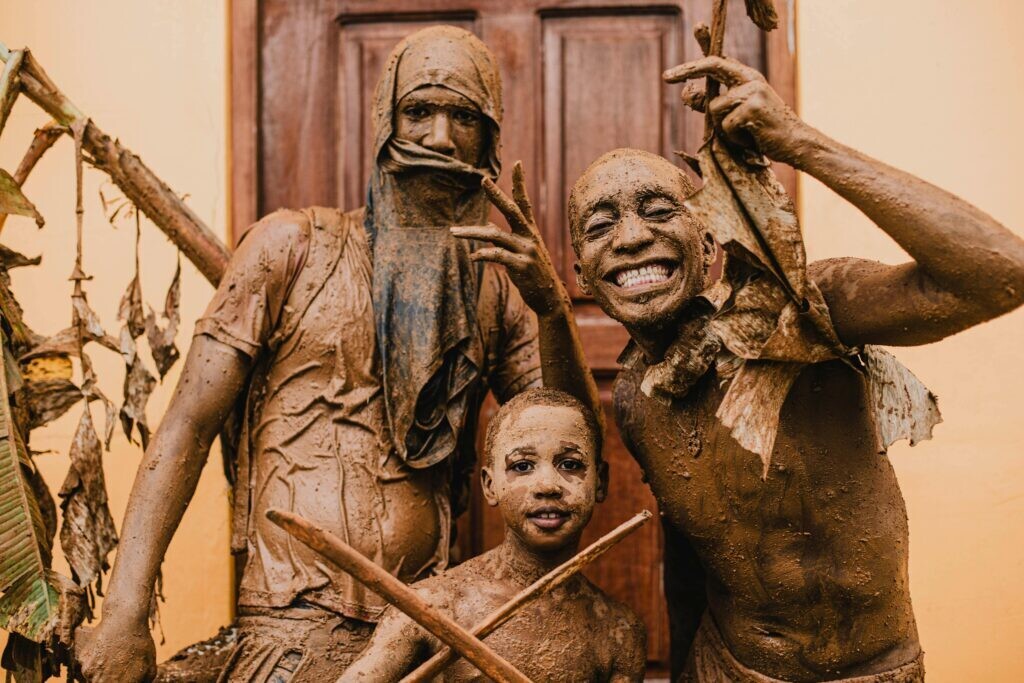
Cultural Identity: The blending of traditions is intense, but it's often lost along the way. Seriously, the rhythms of salsa and reggae are incredibly important!
Music: African heritage is felt in every note.
Cuisine: Dishes like sancocho are a must-try.
Literature: Authors who have told stories of struggle and resistance.
The history of Black people in Panama is rich and complex. When we think about the Black population in Panama, it's easy to overlook the deep cultural and social impact this community has had on the country. You won't want to miss what comes next.
The Black Population in Panama: 5 Cultural Contributions That Are Transforming National Identity.
The presence of the Black population in Panama is absolutely essential, and it's unclear why it's not discussed more. From music to gastronomy, their cultural and social impact is monumental.
A Little History Afro-descendants arrived in Panama with the Spanish and also through the slave trade. They contributed to the construction of the Canal and, in general, to the country's economy. Today, they face discrimination and fight for their rights.
Cultural and Social Impact Music, like reggae and salsa, is a direct influence from the Black population. The food, don't get me started on sancocho, which is simply delicious. In the social sphere, they are key in activism for equality.
Although they face many challenges, the resilience of the Black community in Panama is an example of struggle and courage. We have also highlighted the challenges this community faces, including the fight for recognition and equal rights. We invite you to continue learning about the history and Afro-descendant culture in Panama, and to share this knowledge with others to foster an inclusive and enriching dialogue.
So, the next time you hear about the Black population in Panama, remember these figures and their impact. Here are five cultural contributions that are undoubtedly shaping our national identity.
1. Music and Dance Afro-Caribbean music, such as reggae and calypso, has influenced Panamanian genres. At the end of the day, we all have something to learn.
2. Cuisine Afro-Caribbean cuisine is amazing with its spices and techniques not found anywhere else. Rice with gandú, for example, is a classic that, not gonna lie, is simply delicious. And we can't forget the famous "patacón con todo," which is the best side dish.
3. Art and Literature Artists like Carlos Francisco Changmarín have done incredible work to visualize the Black experience in Panama. In fact, many Panamanian artists have taken these roots and elevated them to another level.
4. Social Identity and Struggle The Afro-descendant community has been key in struggles for rights and recognition. By recognizing the importance of their legacy, we can work together to build a more just and equitable society.
5. Language The use of words and expressions from English and other Afro-Caribbean dialects is fascinating.
Key Figures Victoriano Lorenzo: A revolutionary leader who fought for his people's rights. María de la Luz: An activist who promoted education within the Black community. Cecilia de la Vega: The first Black woman to be recognized in Panamanian politics. José 'Pipo' González: A musician who popularized Afro-Caribbean rhythms. Manuel Espinosa Batista: A writer who explored Black identity in his works.
In conclusion, the Black population in Panama represents a rich cultural heritage that has left an indelible mark on the national identity. From music to cuisine, their influence is profound. By recognizing the importance of their legacy, we can work together to build a more just and equitable society.