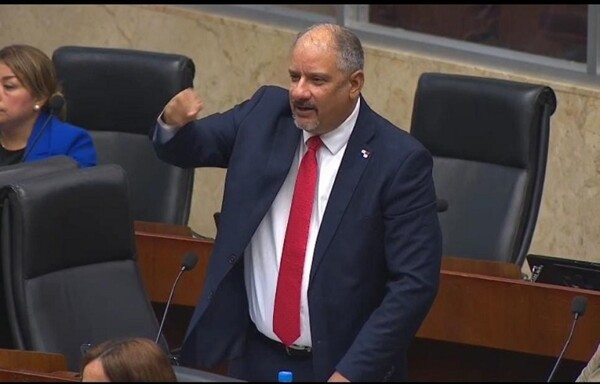
In Panama, electoral reform discussions continue. Carlos Romero of the Molirena party stated that it is difficult for his small party to secure 100% of candidacies and considered it an attack on the autonomy of groups for the Electoral Tribunal to impose limits on reserved positions. In its last meeting, it was approved that a party approving a candidate in alliance with another political group will appear on both ballots, but the voter can only select one. The discussion centered on Article 355 of the Electoral Code, which allows political parties to reserve up to 30% of their candidacies for alliances. Regarding this, magistrate Luis Guerra said that the Electoral Tribunal's proposal aimed to prevent party leadership from deciding on candidates. It should be recalled that the majority of the National Electoral Reform Commission (CNRE) approved eliminating lists of independents and allowing voters to choose from several candidates from a political party in multi-member constituencies. In the end, the article proposed by the Electoral Tribunal was rejected by 8 votes and remains as is in the Electoral Code. Alma Cortés, of Realizando Metas, expressed concern that when the time comes to approve a presidential candidate by alliance, the percentage could be reduced. The proposal was presented by the Electoral Tribunal because in the last elections, up to 50% of candidacies were kept in reserve. Furthermore, candidates running as independents will not be allowed to participate in lists, which is consistent with what was approved in previous sessions. «If I can only run in alliance with one candidate, it makes no sense for a party to reserve more than one person in a multi-member constituency,» said Guerra. The National Electoral Reform Commission (CNRE) continued on Wednesday to address how candidates are presented in multi-member constituencies. The next session of the Electoral Reform Commission was set for February 26. Rony Araúz, from Cambio Democrático, said that in an alliance, the party that cedes the top spot should not give up more than 20% of its seats nationally. It was also approved that in constituencies where only one deputy is elected, three independent candidates may run, while in those where more than one deputy is elected, the number of candidates allowed will correspond to the total number of seats distributed in the constituency. Previously, only one candidate could be chosen with a selective vote, although a 'slate vote' (voto plancha) was allowed with a box next to the party's name. Uncertainty remains in constituencies where two deputies are elected, as participation will be limited to only two independent candidates. The discussion comes amid a warning from independent candidates that they will sue for unconstitutionality the changes being made, which they believe infringe upon this right.

Panama Electoral Reform: Debates on Quotas and Alliances
Panama's National Electoral Reform Commission is discussing changes to the Electoral Code, including limits on reserved seats for alliances and rules for independent candidates. The decisions are sparking debate among political parties and figures.