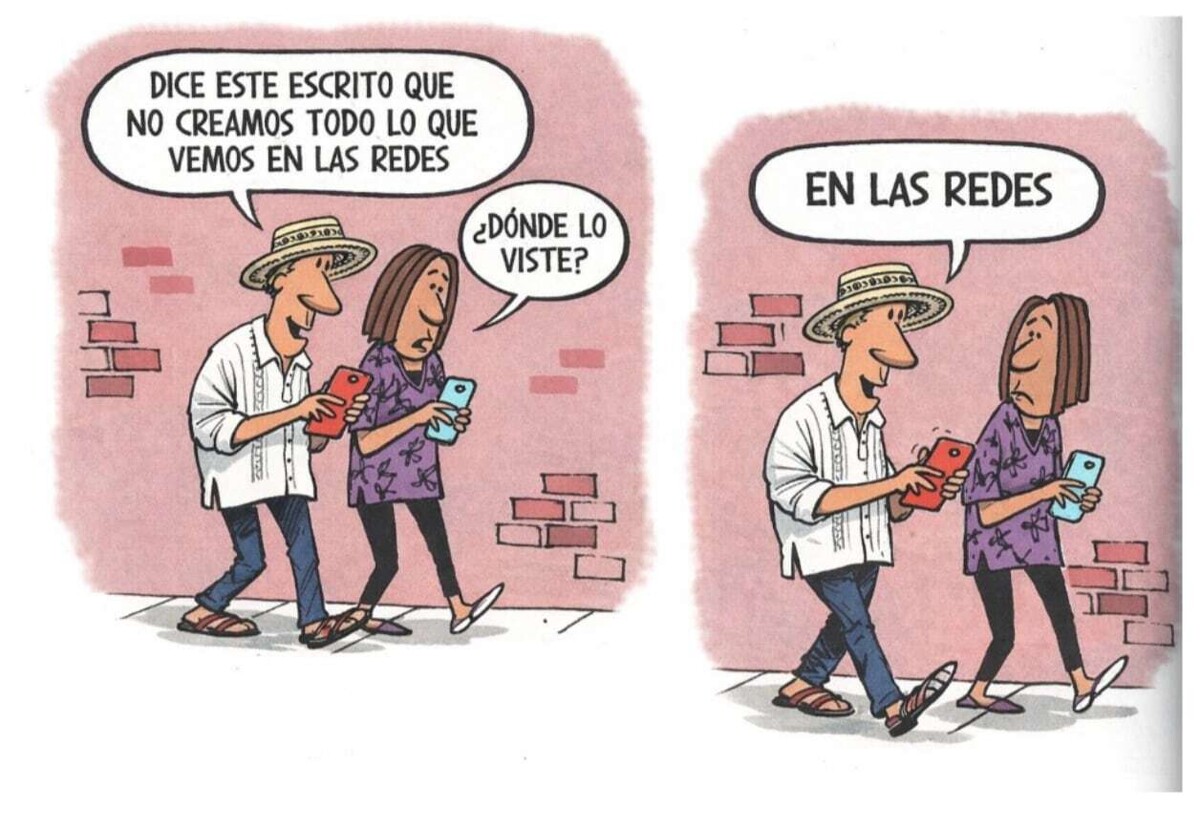
This shows that disinformation does not just circulate: it spreads faster than verified information. The Electoral Tribunal has made efforts to address these scenarios, such as the Digital Ethical Pact, an initiative based on the voluntary commitment of candidates not to spread disinformation and to promote the responsible use of social networks. The Electoral Tribunal magistrate, Alfredo Juncá Wandehake, points out in the book 'Disinformation and Democracy: challenges for electoral bodies' that 'social networks have become the main source of information for many voters'. In a chapter dedicated to Panama, the magistrate analyzes how during the 2024 campaign, manipulated videos using artificial intelligence were circulated to make it seem that candidates were saying things they never said. The case of a video that cloned the voice of Ricardo Lombana, simulating confessions of corrupt acts, was documented. The consequence is a 'tunnel vision': we consume headlines designed to force the click, very funny—and very deep—memes from El Gallinazo or videos without context or verification, and we rarely get out of that circuit. Social networks have enormous potential to sell products, influence habits, and even help choose presidents. That confirms an uncomfortable reality: the Panamanian person gets informed in short video format, compressed headlines, and sometimes with funny memes. Behind the data there is a risky reality: the way we get informed—dominated by social networks and algorithms—is weakening our relationship with the truth. Social media algorithms prioritize content similar to what we have already seen: they reinforce biases and block contrast. It is estimated that the videos created with AI and disseminated by a single disinformation network during the last electoral period were played more than 6.5 million times: a number that doubles the amount of people enabled to vote. It is exactly the opposite: do not believe me, investigate, contrast. And then, if you are convinced, share it. The author is a journalist and a graduate in Law and Political Science. She produced this column in the 'Think Panama / Narrate Democracy' Writing Program, by Concolón and the British Embassy in Panama. Because digital lies do not appear only every five years, nor only in politics: today they also distort daily facts and, increasingly, compete with our own idea of what is real. During the 2020 pandemic, disinformation spread almost as fast as covid-19. Personally, it feels contradictory to try to inform about disinformation. The question is no longer if it is happening. Disinformation changes topic, format, and protagonist, but not intention: to confuse, alarm, and go viral. Freedom of expression is a sine qua non condition of a democracy, but in the era of social networks, where to opine is immediate and to go viral is easy, to inform with attachment to the truth is an obligation. In Panama, the pattern did not disappear: in 2023 and 2024, the networks again amplified false versions about the Panama Canal, such as misleading statements about its operation. Instagram, X, and TikTok today are key actors in political campaigns. The question is if we will know how to defend it. The most recent study on the freedoms of expression and of the press in Panama, published in collaboration by the Fórum de Periodistas, the International Center for Political and Social Studies (Cieps-AIP) and the European Union, reveals that the main digital information channels in Panama are Instagram and WhatsApp. They do not do it on purpose: they think they are informing. That is why my invitation to you, reader, and to my uncle, cousin, and friends with whom I share WhatsApp groups, is not to read this column and believe it without questioning. But there is also its limit: it does not regulate what happens outside of the campaign, it does not reach the disinformation that we consume daily, and it does not respond to a phenomenon that is no longer exclusively electoral. False theories about vaccines, miracle remedies, and narratives that sowed distrust circulated. In the WhatsApp groups to which I belong, I exercise a role that I did not ask for: to tell my uncle, cousin, and friend that the news they are sharing and that has already scandalized the rest of the group is not entirely true. The truth is under attack by a powerful triangle: algorithms, disinformation, and artificial intelligence simulating realities. More recently, the Consumer Protection and Competition Authority had to launch a 'prevention campaign' after the infamous case, already recognized as a scam, of 'Snowland'.