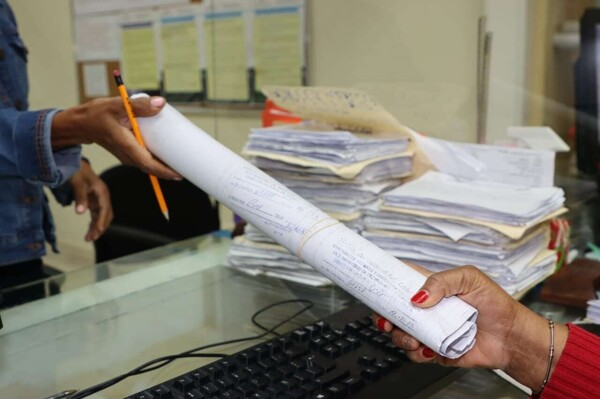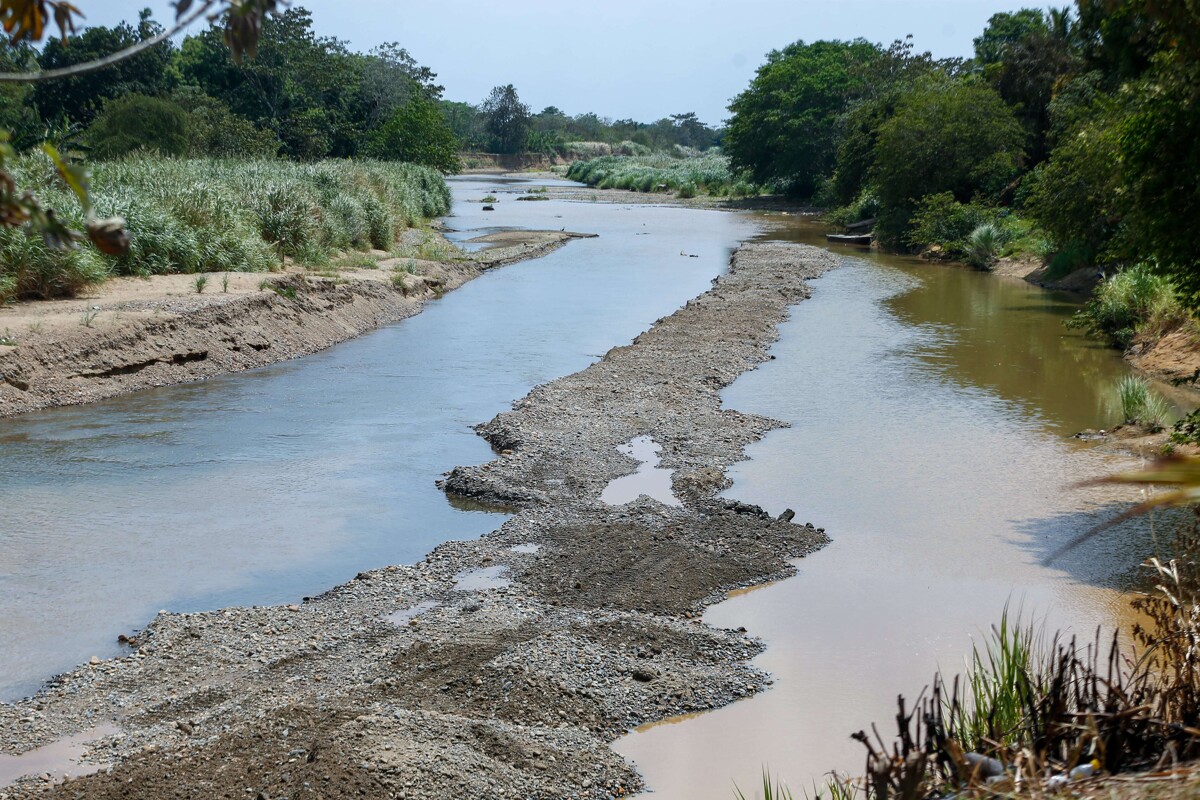
In Panama, despite promises of legal certainty, records disappear in bureaucracy. Both citizens of Río Pacora and peasants of Río Indio put in work, effort, and resources to engage in solutions for their communities. Some promoted training spaces so that institutions could understand the law that protects their basin; others organized community assemblies. The rural communities do not see them when plans ignore their way of life. When participation does not come from below — from concrete needs and community organization — democracy ceases to be a promise and becomes frustration. And in that frustration, another possibility emerges: to build a country where decisions are not announced from above, but are made with the people. The author is a community animator. However, where and how do they actually participate? In another part of the country, a group of peasants from Río Indio goes to the Land Adjudication Operational Office in search of their property titles. The official is brief and repetitive: she knows nothing about it, the consultations have already been made, and the concession cannot be reversed. In the official narratives, it is held that participation is the basis of democracy. They end up doing the State's work: explaining the law, insisting on being heard, and pushing forward processes that institutions should guarantee. From the experience of community work, participation only works when there is listening, understanding of local times, and sustained responses. Democracy is not only played out in offices. Panama, with all its wealth and diversity, has a historic opportunity: to demonstrate that development goes hand in hand with its people. This demands something fundamental: to listen. As they say in Río Indio: "Millions for what, if the people don't see them." They are not seen by Ana, when activities that affect aqueducts are permitted. It not only exposes citizens to institutional indifference: it stalls them. The phrase seems obvious: if democracy is the government of the people, then the people must participate. This column was produced in the "Think Panama / Narrate Democracy" Writing Program, by Concolón and the British Embassy in Panama. The paradox is evident: they are not heard, they cannot petition, let alone protest. Mrs. Ana leaves her home in the district of San Martín, in East Panama, heading to the Ministry of Commerce. It's 4:00 in the morning. Trips, calls, meetings. In another case, a permit is granted ignoring an environmental law, and a citizen consultation is mentioned that, according to the Center for Environmental Incidence, never took place — and justice sided with them. They were involved in the entire titling process driven by the Panama Canal Authority and the National Land Administration Authority, with the support of the United Nations Development Program. The response they receive is discouraging: their records do not appear in the database. Both realities are geographically distant but connected by the same thing: a participation model that presents itself as inclusive but fails at something basic: listening, incorporating, and coordinating among institutions. Years can go by without access to drinking water, health, or security over their land, even after procedures and claims. Mrs. Ana warns that it is a hydrological reserve and the law suspended this type of project. In the official narratives, it is held that participation is the basis of democracy. They end up doing the State's work: explaining the law, insisting on being heard, and pushing forward processes that institutions should guarantee. From the experience of community work, participation only works when there is listening, understanding of local times, and sustained responses. Democracy is not only played out in offices. Panama, with all its wealth and diversity, has a historic opportunity: to demonstrate that development goes hand in hand with its people. This demands something fundamental: to listen. As they say in Río Indio: "Millions for what, if the people don't see them." They are not seen by Ana, when activities that affect aqueducts are permitted. It not only exposes citizens to institutional indifference: it stalls them. The phrase seems obvious: if democracy is the government of the people, then the people must participate. This column was produced in the "Think Panama / Narrate Democracy" Writing Program, by Concolón and the British Embassy in Panama. The paradox is evident: they are not heard, they cannot petition, let alone protest. Years can go by without access to drinking water, health, or security over their land, even after procedures and claims. In the official narratives, it is held that participation is the basis of democracy. They end up doing the State's work: explaining the law, insisting on being heard, and pushing forward processes that institutions should guarantee. From the experience of community work, participation only works when there is listening, understanding of local times, and sustained responses. Democracy is not only played out in offices. Panama, with all its wealth and diversity, has a historic opportunity: to demonstrate that development goes hand in hand with its people. This demands something fundamental: to listen. As they say in Río Indio: "Millions for what, if the people don't see them." They are not seen by Ana, when activities that affect aqueducts are permitted. It not only exposes citizens to institutional indifference: it stalls them. The phrase seems obvious: if democracy is the government of the people, then the people must participate. This column was produced in the "Think Panama / Narrate Democracy" Writing Program, by Concolón and the British Embassy in Panama. The paradox is evident: they are not heard, they cannot petition, let alone protest. Mrs. Ana leaves her home in the district of San Martín, in East Panama, heading to the Ministry of Commerce. It's 4:00 in the morning. Trips, calls, meetings.