With the support of Senacyt and the Inter-American Development Bank (IDB), the IDIAP Molecular Biology Laboratory becomes a reference point for 21st-century agriculture.
The new facility, supported by Senacyt and the IDB, will enable the development of rice varieties naturally immune to the fungus, eliminating the need for chemicals and strengthening food security.
This team of researchers, with decades of experience, will focus on mapping the threat, designing resistance, and releasing new rice varieties.
Although rice is the initial priority, the investment in this IDIAP Molecular Biology Laboratory has a much broader scope. This project is the result of the support from the National Secretariat for Science, Technology, and Innovation (Senacyt) and the Inter-American Development Bank (IDB).
This laboratory becomes the country's main tool for ensuring rice production, the heart of the Panamanian diet, in the face of the constant threat from the fungus known as "rice blast," a pathogen that ruins crops by preventing grain formation.
The ultimate goal is not just to cure the disease, but to prevent it, using genetic information to develop rice plants that are naturally "immune" or highly resistant to the strains of the fungus present in Panama.
Dr. Eduardo Ortega Barría, National Secretary of Senacyt, highlighted: "Senacyt supports this IDIAP Molecular Biology Laboratory through the project 'Strengthening of equipment…' This collaboration has transformed this center into a reference facility, ready to face the challenges of the 21st century".
Engineer Alexandra Rodríguez, General Director of IDIAP, noted that the laboratory, which is in its second and final phase of adaptation, will allow for the expansion of knowledge and studies on the diversity of fungi associated with rice and other crops of economic importance, using molecular techniques.
Dr. Délfida Rodríguez Justavino, lead researcher on the project, explained that the equipment will allow for the reading of the genetic code of the blast fungus to accurately identify the "races" that affect local crops.
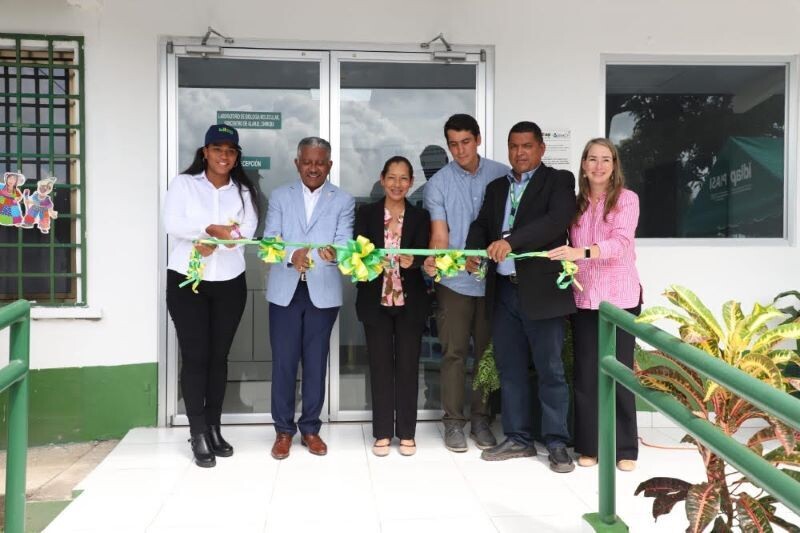
The Institute of Agricultural Innovation of Panama (IDIAP) has marked a milestone in the protection of the country's agriculture with the inauguration of its IDIAP Molecular Biology Laboratory in the Alanje Subcenter, Chiriquí.
The new infrastructure and its state-of-the-art equipment are capable of genetically identifying the fungi that cause diseases in other important crops for the region's economy, such as lowland coffee, and in the future, highland crops like potatoes and onions.
Attorney Anthony Santos, regional director of ANATI in Chiriquí, congratulated the actors involved, stating that the laboratory represents "a firm step towards that future of knowledge, productivity, and scientific competitiveness".
Engineer Jeydon Ortega, regional deputy director of MIDA, concluded that the implementation of this laboratory not only represents a scientific and technological advance, but also a firm step towards strengthening our research, diagnosis, and response capabilities to the challenges affecting the country's agricultural and livestock production.