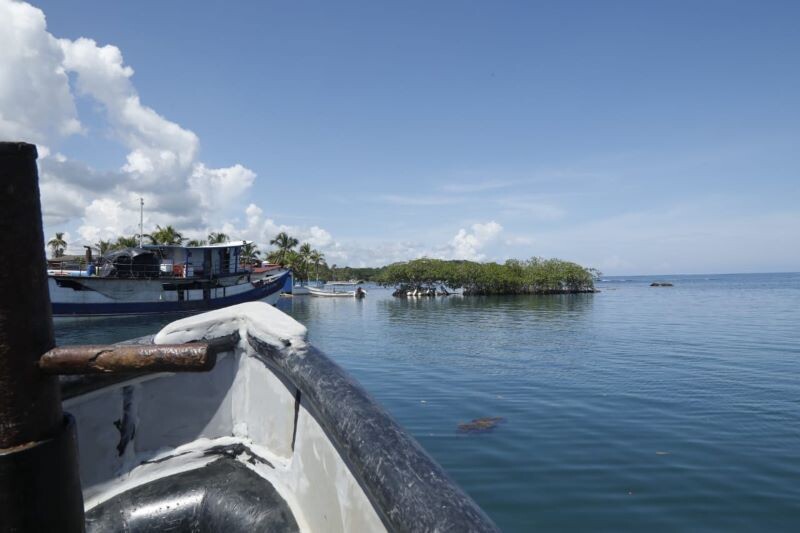
Coastal communities in Chiriquí presented the results of the "Towards a Sustainable Future 2025" program, highlighting the strengthening of artisanal fishing and mangrove protection.
One of the most significant advances is the implementation of a circular economy project. This innovation converts organic waste into a value-added product, boosting local entrepreneurship. Thirty-five men and women completed technical training focused on transforming fish skin into artisanal leather.
In the environmental sphere, coastal communities held cleanup drives that collected over 160 pounds of waste, including plastic, cardboard, and cans.
A total of 18 fishermen and conch grower organizations unified their efforts to strengthen their leadership skills and move towards productive models that ensure the sustainability of their resources. Thanks to this process, over 200 fishermen received specialized technical training.
Additionally, a citizen science system was implemented where conch growers and scientists work together to monitor the Black Conch. This monitoring is done through water and soil analysis and an assessment of the mangrove forest structure, providing essential data for the sustainability of the species.
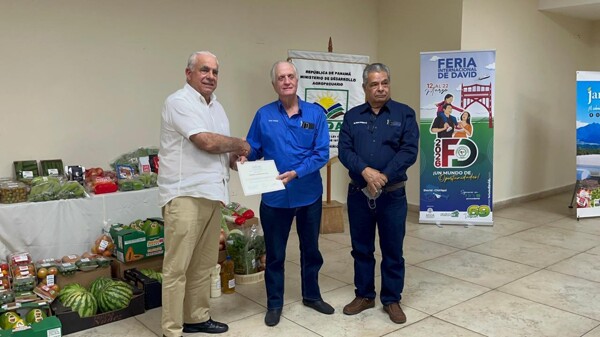
Ismael González, General Director of Puerto Barú in David, emphasized the "great commitment from the private sector, local governments, and civil society to strengthen sectors that depend not only on fishing but also on ecotourism." Lourdes Lozano, Executive Director of the Center for Research, Training and Entrepreneurship (CIFEm), stressed the need to "bet on the active participation of organized citizens to achieve the sustainability of their natural resources and the proper functioning of ecosystems."