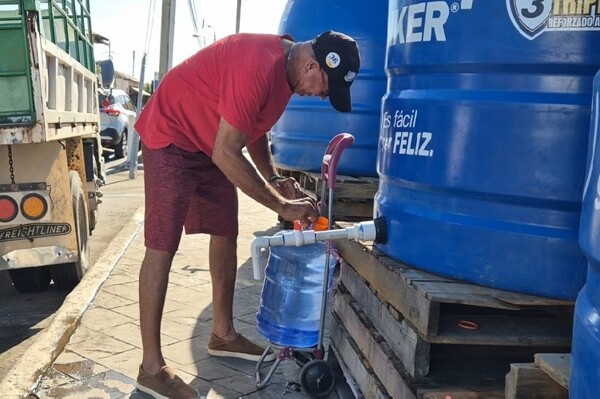
The idea is that no one is left out amidst the fun, travel, and parties. But it's not all carnival. Those who don't have it, are left out. During these festive days, everyone wants to enjoy themselves, but the authorities remind people that health should not be neglected. Carnival is coming, people are already packing their bags, and the movement in the streets is starting to be felt. The Minsa is waiting for lab results to confirm if the water in Chitré and Los Santos is safe to drink. In the meantime, Idaan will keep tanks at several points because with the 'culecos' (street water fights), demand surges and no one wants to be left dry in the middle of the festivities.
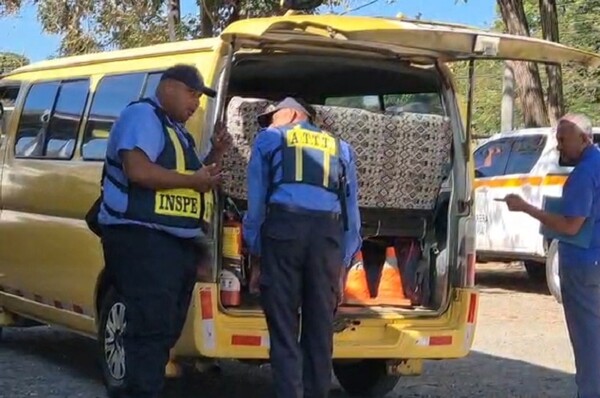
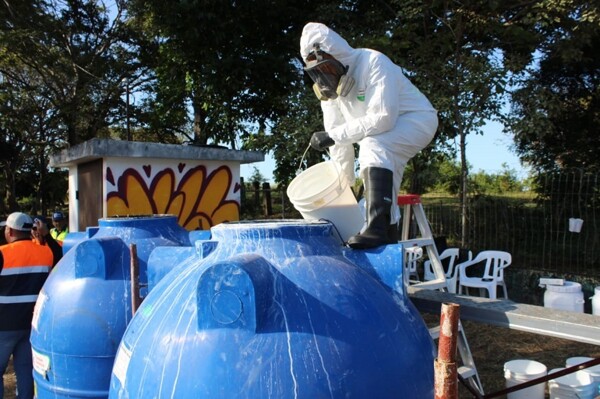
Speaking of 'culecos', there will also be monitoring. The Minsa will conduct daily tests on the water carried by tankers. With so many people traveling and celebrating, the system has to be firm, because when something happens, everyone runs to the hospital. Only cars with an 'Approved' sticker will be allowed to operate. The order is clear: hospitals ready and personnel on the streets for whatever comes. There will be 129 health facilities active, including hospitals, polyclinics, Minsa-Capsi centers, and temporary posts. Of these, 80 will work 24/7, 24 will have extended hours, and the rest will follow their regular schedule, but on alert for any emergency.
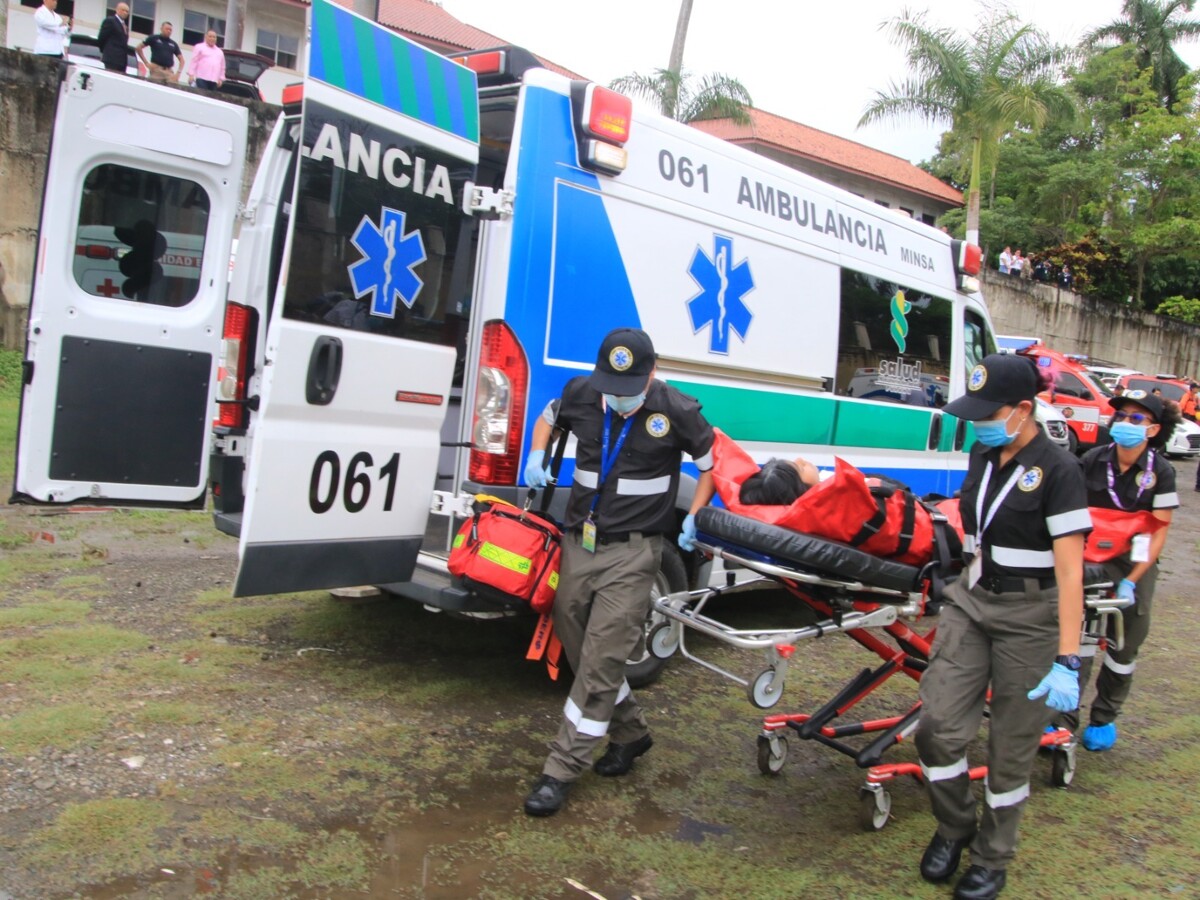
Furthermore, the operation is putting serious pressure. Over 2,000 officials, including doctors, nurses, and administrators, will be deployed, along with 109 ambulances and emergency vehicles. In the Azuero region, the situation remains under close watch. Until there is an official 'green light', the recommendation is simple: do not drink tap water directly and boil it before consumption. Treated water, however, can be used for bathing and chores. For this reason, the Ministry of Health has declared a Blue Alert nationwide from February 12 to April 6, 2026.