Inspection postponed, new doubts arise over the former deputy's procedural conduct.
An old case that keeps growing like weeds
The conflict between Ramos Tuñón and Mosquera is not new. It involves former deputy Daniel Ramos Tuñón and Manuel Esteban Mosquera, who claims to be the legitimate owner of the adjacent plot.
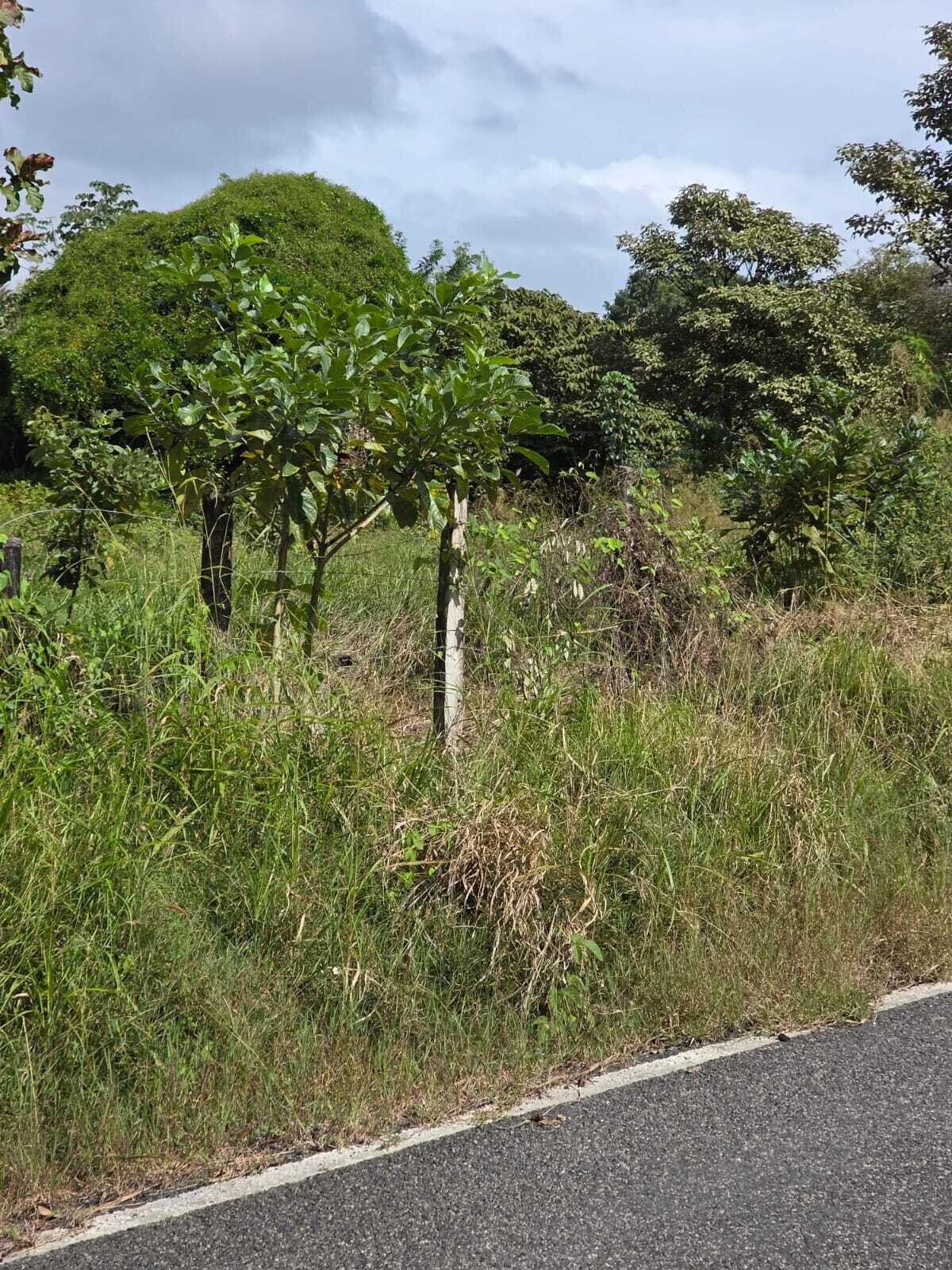
This week was supposed to be decisive: a scheduled judicial inspection on the former deputy's farm in Cocles was meant to determine the property's boundaries. However, the inspection turned into an absurd episode that even the most far-fetched script couldn't have predicted: overgrown vegetation prevented experts from identifying the necessary points and boundaries.
And it wasn't just a simple oversight. La Verdad Panamá has documented that the former deputy allegedly faked the identity of the adjacent landowner to alter boundary points and benefit himself. This was the origin of the process for forgery, land usurpation, and other conduct that the prosecution describes as highly irregular.
It was even reported that Mosquera may have been pressured and intimidated by intermediaries linked to the former deputy. From there, the litigation became an increasingly tangled web. It also follows a pattern that repeats in many land disputes: cheap purchases, high mortgages, questionable documents, civil lawsuits initiated without the real owner, and now, physical obstacles to prevent an inspection.
Without new testimonies or external evidence, only with the case documents, the prosecution's statements, and what has already been revealed by this medium, the picture is clear: there is a process that is not flowing, and every delay benefits exclusively the accused. The weeds will continue to grow, and so will the doubts.
The rescheduling of the inspection is just another episode in a case where nature has become an involuntary ally of delay. While the Prosecutor's Office tries to reschedule, the farm remains at the center of the debate: why would a former deputy let a key plot for his defense turn into a jungle? The answer is currently buried under the tall grass. The only certain thing is that in this case, the weeds cover not only land but also certainty.
According to the complainant's lawyer, José Antonio Moncada, representative of Manuel Esteban Mosquera, the situation was "intentionally provoked" to frustrate the work of the Public Ministry. Ramos Tuñón was notified of the inspection months in advance. Despite this, the property was left to its fate, covered by a thicket that made it impossible to proceed. "For an influencer, they act fast. But for a former deputy, it seems they allow maneuvers to delay everything," he said.
This new chapter, with a farm turned into a vegetal wall against justice, reinforces his criticism: the process moves forward, but like a turtle.
A disputed plot that continues to raise more questions than answers
The criminal case involves not just titles, boundaries, and alleged falsifications. Another element in the file has also drawn public attention. The farm that Ramos Tuñón acquired for B/. 600 ended up mortgaged for B/. 102,000, first with Metrocredit and then assigned to Central Financiera. For the prosecution, this financial move deserves a detailed review by other authorities.
Plans that don't match and a plot that can't be inspected
Moncada warned that Ramos Tuñón submitted plans whose points could not be verified during the inspection. Not only due to doubts about their authenticity, the lawyer pointed out, but because the tall grass simply prevented seeing the actual land. This is why he suspects the abandonment was deliberate: a plot covered in weeds is the best scenario for experts to be unable to confirm or deny anything.
The Prosecutor's Office will now have to reschedule the inspection. A procedure that could have been resolved last week but has been postponed again. "An influencer is tried fast. A former deputy is not."