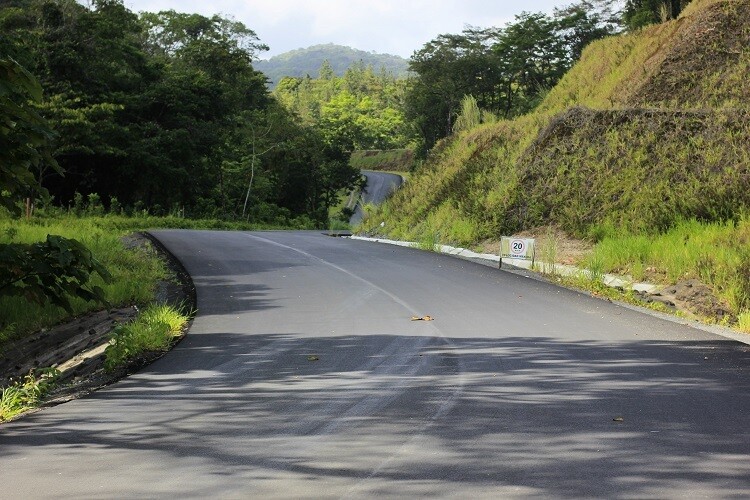
The road project known as the Caribbean Corridor is beginning to emerge as one of the most impactful works for the province of Colón, combining tourism development, connectivity, and environmental protection in the Costa Arriba area.
The project plans for a 28-kilometer highway between Santa Rita and María Chiquita, featuring environmental measures such as wildlife crossings and restrictions on heavy traffic, aiming to protect the area's biodiversity while opening new opportunities for tourism and local producers.
Minister of the Environment Juan Carlos Navarro reported that this is the country's first truly ecological highway, which will traverse areas of high biodiversity like Sierra Llorona, home to species such as toucans, tapirs, and jaguars.
It is expected that this highway will improve connectivity and boost tourism, stimulating the economy and generating new opportunities for the communities of Costa Arriba in Colón.
Meanwhile, Minister of Public Works José Luis Andrade stated that the ongoing Caribbean Corridor road project has advanced by approximately 40%, with investments exceeding $32 million and a total estimated cost of over $80 million.
During his statements, he explained that work on the second section of the project has already begun, including bridge construction, and it is projected that the project will be completed by the upcoming summer.
The minister also addressed the situation of 58 micro-entrepreneurs currently occupying spaces within the right-of-way of the Ministry of Public Works on Vía España, indicating that communication processes and visits are ongoing to guide them on possible relocations in coordination with the Municipality of Panama, although he clarified that no compensation is foreseen as these premises are located within right-of-way areas.
Among the project's benefits are wide sidewalks of up to three meters, new green areas, urban parks, and the undergrounding of cables, which will improve the area's image and help eliminate historical flooding problems.
The project also includes the implementation of a mass transit system with 13 stops, which will reduce travel times from 45-50 minutes to 25-30 minutes, benefiting more than 80,000 people.
The head of the MOP acknowledged that there have been errors and failures in communication during the process, but assured that they are being corrected while awaiting the Comptroller's approval to accelerate work and give the project greater momentum.