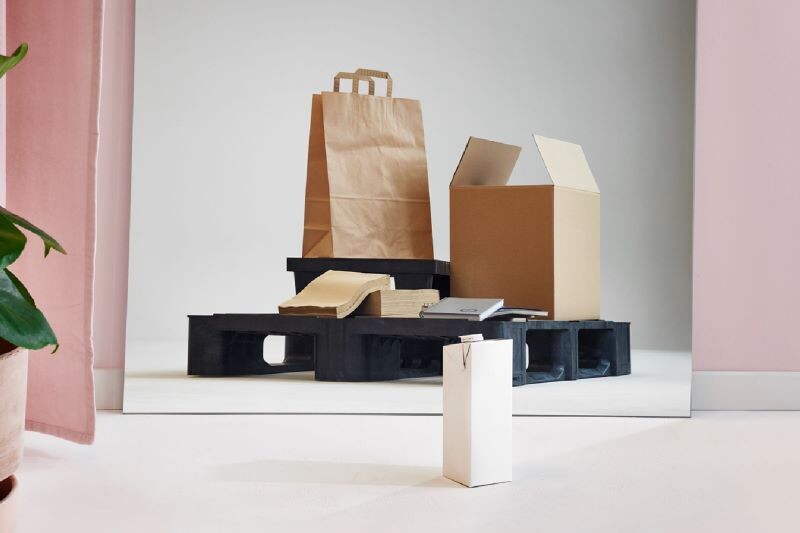
In this context, Tetra Pak reaffirms its commitment to the circular economy in Central America and the Caribbean, highlighting that joint work has been the cornerstone of its sustainability strategy over the last decade. Throughout 2025, the company has strengthened its infrastructure for post-consumer packaging recovery, integrating grassroots collectors and expanding the regional collection network. Thanks to the "Tu Papel Cuenta" program, collected packages are processed in specialized plants where, using a hydrapulper, their components are separated to obtain high-quality paperboard fibers and polyaluminum. Transformation and Environmental Education Tetra Pak's strategy includes active collaboration with community boards, municipalities, and clients to optimize waste sorting. Guillermo Pugliese, Sustainability Director for Tetra Pak's Andean, Central American, Caribbean, and Mexico region, highlighted that the ability to process carton packages is a key sustainable feature that strengthens the local economy by giving resources a new life within a responsible cycle. Recognition for Sustainable Leadership The positive impact of the "Tu Papel Cuenta" program, which has been running for over 17 years, was distinguished this year with the highest category of the "Sustainable Leadership Recognition 2025" from AmCham Panama. Tetra Pak strengthens the recycling chain and circular economy in the region • Through the "Tu Papel Cuenta" program, Tetra Pak promotes waste sorting and the creation of school furniture from recycled components. This award highlights the value of initiatives that integrate innovation and collaboration to build safe food systems. Tetra Pak has announced that it will continue to work with end markets and local authorities to ensure consumers have access to voluntary drop-off points. To facilitate this process, the "Tu Papel Cuenta" informational platform offers an updated directory of collectors and collection centers available throughout the Panamanian territory. The entry "The impact of recycling as an economic engine in Panama and the Caribbean" appears first in Panama News Daily newspaper of Panama News. Meanwhile, the recovered paperboard is used to manufacture everyday products such as boxes, bags, and napkins. Amid the increase in waste generation at the end of the year, the company intensifies its awareness campaigns to motivate citizens to sort their materials. (18/Dec/2025 – web – Panama24Horas.com.pa) Panama City, Panama. — Recycling has been consolidated in Panama as an essential productive chain that drives the national economy, generating jobs in the stages of collection, transportation, sorting, and material transformation. A fundamental pillar of this work is education in schools, where the circularity of materials is demonstrated by making desks from recycled polyaluminum. These actions not only aim to mitigate the environmental impact but also to generate social benefits through responsible innovation.