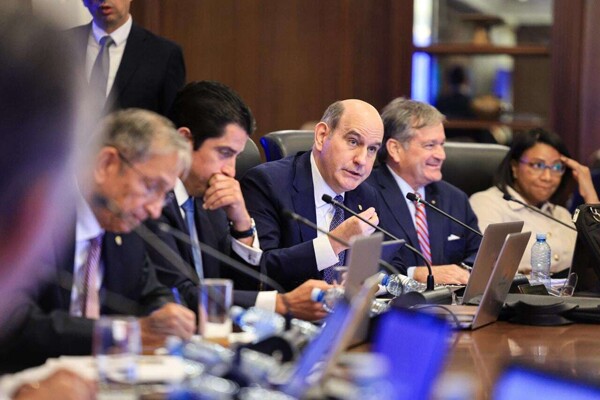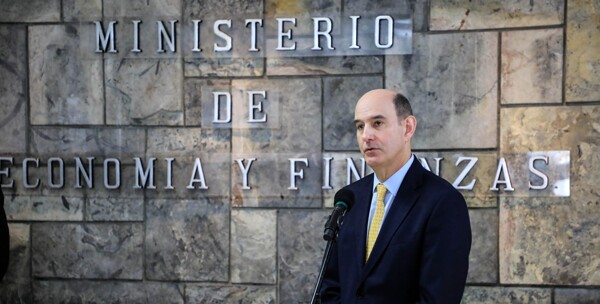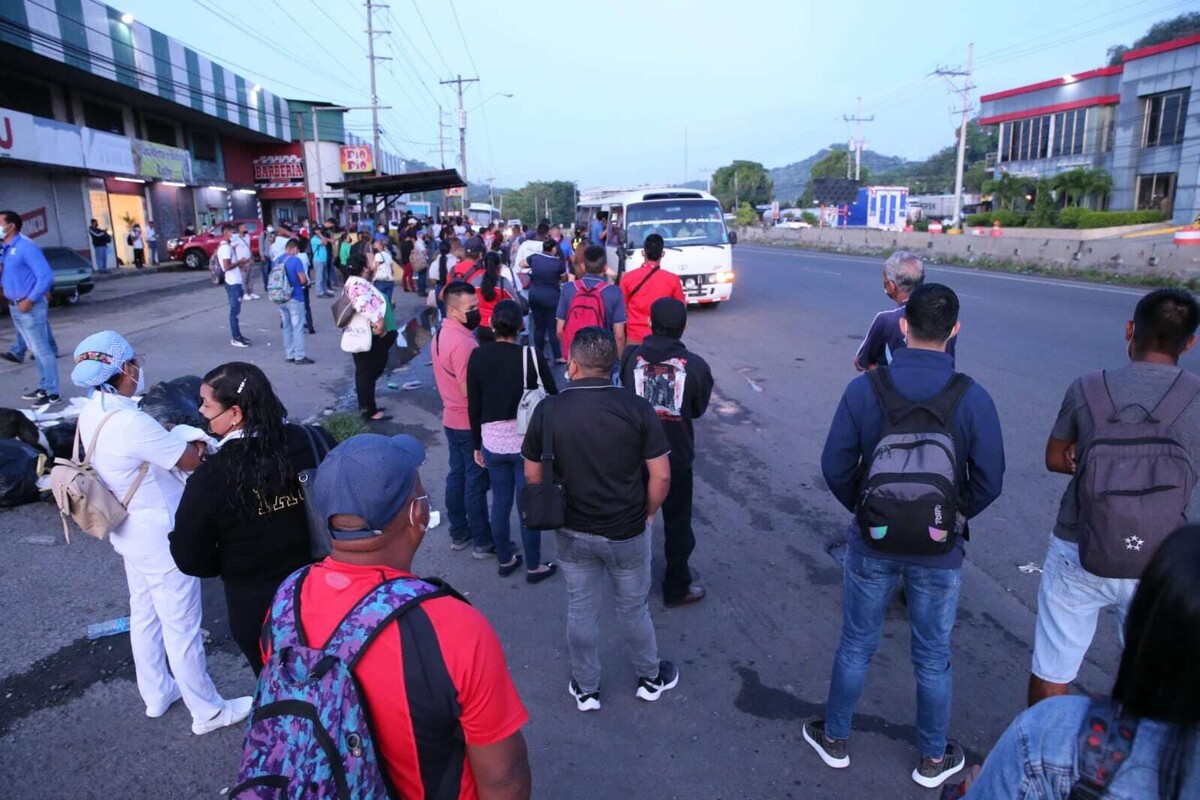
Transport workers in West Panama are awaiting government measures to mitigate the impact of high fuel costs, after a fare hike was suspended by the Transit and Land Transport Authority (ATTT). This was confirmed by transport leader Eliécer Montenegro, who explained that the decision was made at the request of the authorities while the government evaluates possible measures to address the fuel increase. Minister of Economy and Finance, Felipe Chapman, was consulted by Deputy Janine Prado in the Budget Committee about what actions will be taken if the fuel price increase persists. Chapman indicated that the executive's proposal will be announced in the coming days. He added that this situation was recently evidenced by crowds at the transport terminal, also driven by competition from informal transporters offering lower fares. Other groups of transport workers, such as owners and bus drivers on the Utivé, Los Lotes, and 24 de Diciembre routes, have also met to discuss alternatives amid the fuel increase. In 2022, the government approved a direct fuel subsidy for transport workers, setting a fixed price of $3.95 per gallon for gasoline and diesel, with the state covering the difference. Among these measures, Montenegro mentioned the reduction in bus frequency between West Panama and the capital, which translates to longer waiting times and fewer available units, especially at night. The leader explained that previously, between 35 and 40 empty buses were sent from La Chorrera to Panama City to pick up passengers in the afternoon, but this practice was suspended due to its high operating cost. Now, the buses operate in shifts, transporting passengers in both directions, which reduces the number of buses available at key points and causes congestion at terminals. "This means the user will have to wait longer. This measure benefited some 40,000 transport workers, including taxi and bus drivers. If a bus used to pass every 10 minutes, now it may take 25 or even 30 minutes," Montenegro indicated. "Before this week ends, the executive's proposal will be known," he affirmed regarding measures against the fuel increase. Regarding the transport workers, Montenegro detailed that although a fare adjustment had been announced, the guild agreed to suspend it pending the outcome of the Cabinet Council. "They asked us to suspend the increase, and we are waiting for some alternative to be found to alleviate the high cost of fuel," he noted. He added that for now, no concrete measures have been defined, however, transport workers do not rule out that among the options could be a fare increase or some type of subsidy or palliative to ease the rising cost of hydrocarbons. However, he warned that despite the fare remaining unchanged, operational adjustments are already being implemented that directly impact users.