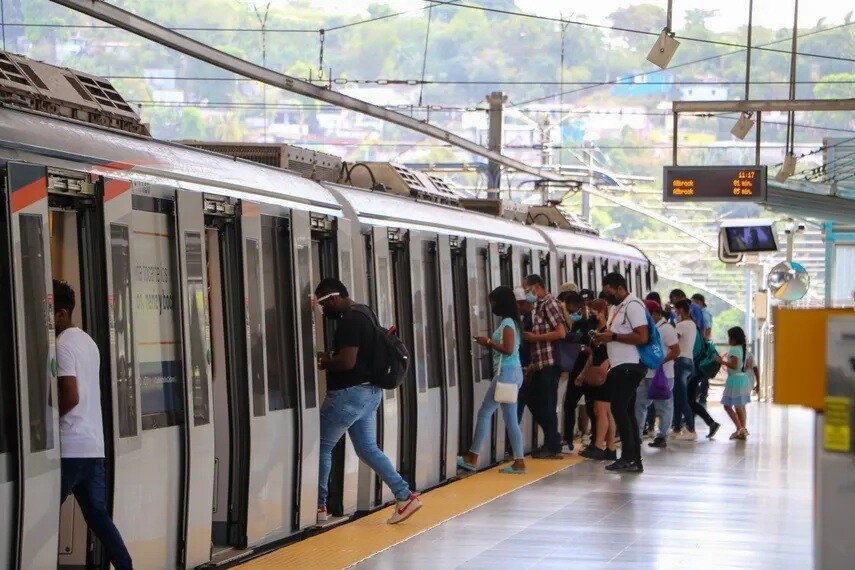
This phenomenon reflects how variations in fuel prices directly influence the behavior of public transport in the city. In response to this increase, the Panama Metro has taken several actions: more trains in operation, staff reinforcement at stations, and constant monitoring of the operation. Additionally, authorities indicated that a possible further increase in train frequency to meet growing demand is still under evaluation. The changes implemented by MiBus aim to mitigate the impact of rising fuel costs, which has led more users to opt for the Metro as a more economical and efficient transportation alternative. The measure was adopted in response to the impact of rising fuel prices, which has altered the mobility patterns of thousands of users in the capital. According to Luis Carlos Díaz, Director of Metro Operations, the number of daily passengers increased from 380,000 to 420,000. The Panama Metro reported a significant increase in demand, with 40,000 additional passengers daily, following operational adjustments implemented by MiBus three weeks ago. 'We have been forced to increase the number of trains in service and the support staff at stations,' he explained.