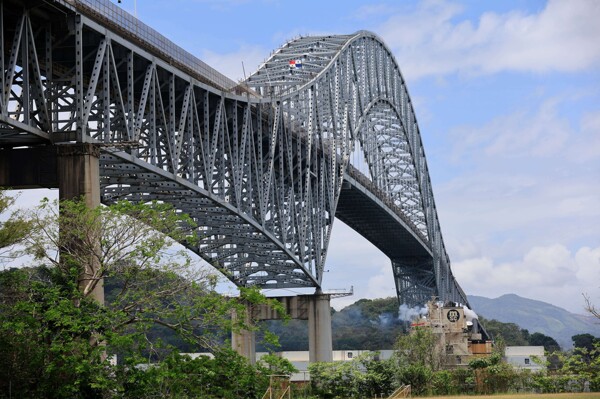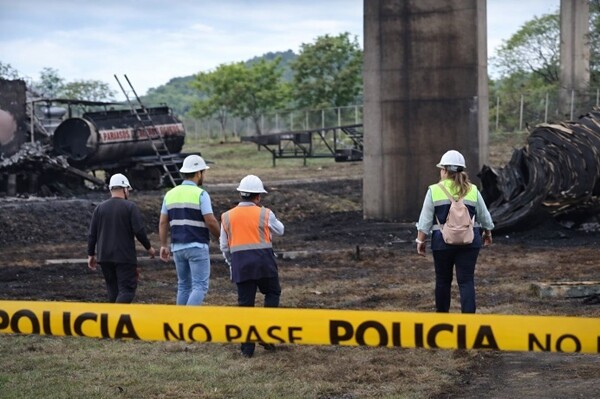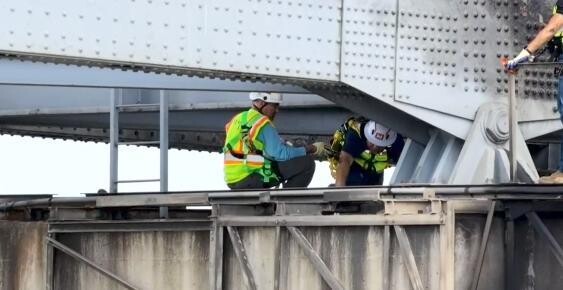
Panamanian and U.S. Army Corps of Engineers have released a technical report on the bridge's condition following an explosion and fire. According to the report, no critical structural damage was found. Experts confirmed that the steel elements showed no distortion or weakening. Although the external paint was damaged by heat, the internal anti-corrosion layer remained intact, preserving the material's protection. No failures were found in rivets or metal connections, and the previously installed carbon fiber reinforcement system maintains proper adhesion to the concrete. Monitoring at key points of the bridge shows minimal variations of only one to two millimeters, indicating the structure's stability is similar to what it was before the accident. Despite the positive results, authorities reiterated that the 10-ton load restriction, in place since 2009 due to accumulated wear, will remain. This means heavy vehicles, including large buses, must continue to use the Centennial Bridge as an alternate route. As part of short and medium-term actions, the affected areas will be cleaned, the metal structure will be repainted, and new tests on the concrete and carbon fiber reinforcements will be conducted. Additionally, a complete 'X-ray' of the rest of the bridge's columns is planned to strengthen the maintenance plan. The report concludes that there are no critical findings that pose a danger to public safety or the bridge's integrity.