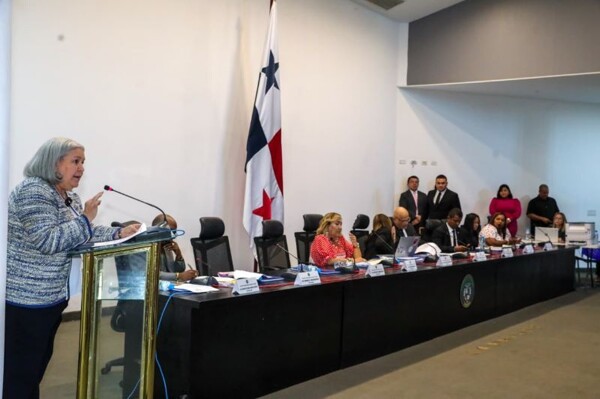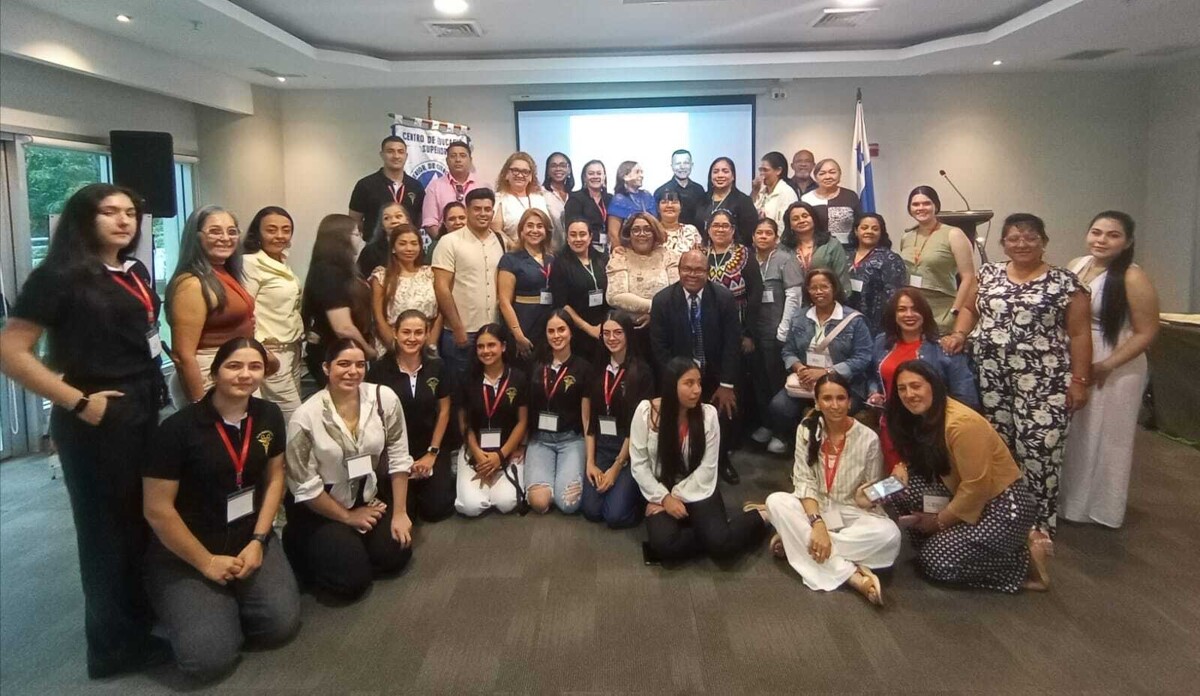
The Second International Congress of Surgical Technologists was held in Panama, which also showed support for the sector's quest for a professionalization law. This would guarantee greater patient safety during surgeries. The two-day event brought together experts from various countries who shared reflections and learnings, emphasizing the importance of research, innovation, and patient-centered care. Among the speakers was the eminent neuroscientist Marcos Alessandro Ferreira Da Silva from Brazil, who detailed the central theme of his participation: the mental well-being and quality of sleep for Surgical Technologists as a key part of safety policy for those who often work in strenuous shifts without rest. Also speaking was Edgardo Reeder González, President of the Association of Forensic Investigators of Panama, who highlighted the benefits of seminars with specialists from different fields and stressed the importance of being properly prepared and certified to avoid 'malpractice' in the operating room. The congress also covered simulation training, emergency responses, health goals, and interprofessional education. The closing session addressed occupational health challenges for healthcare workers and the need for technological advancement to create new opportunities in Latin America, with the ultimate goal of helping Panama pass its professionalization law. The president of the National Association of Surgical Technologists of Panama, Carmen Vega, expressed pride in the successful event and expressed hope that next year's congress will be held with the backing of a law, as is the case in other countries like Colombia, which has had such a law for about 30 years.