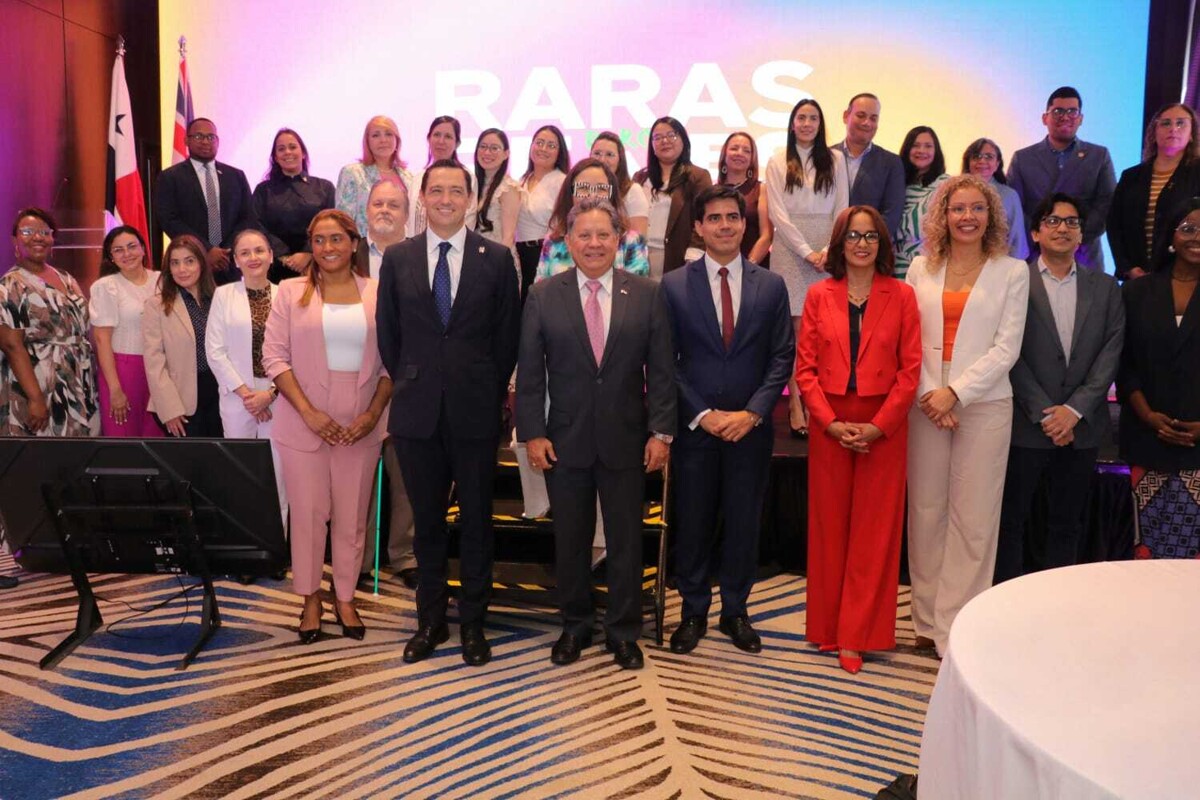
Panama became the host of the Regional Multisectoral Forum 'Rare but Real,' a space for technical and strategic dialogue aimed at strengthening the implementation of the Resolution on Rare Diseases, approved in May 2025 by the World Health Organization (WHO) during the World Health Assembly. Vice Minister of Health, Manuel Zambrano Chang, highlighted that for the country, this framework represents a key opportunity to consolidate progress and strengthen institutional capabilities, with a focus on equity, efficiency, and sustainability. 'We must raise awareness of these diseases, think about them to make a diagnosis; we need to conduct studies and the corresponding screenings, as this is the only way to achieve early detection.' It is estimated that there are around 7,000 rare diseases identified worldwide, and approximately 300 million people, about 5% of the global population, live with one of these conditions. However, currently less than 10% of these diseases have an approved treatment, which highlights the magnitude of the existing gaps in research, timely diagnosis, and therapeutic access, as well as the need to strengthen public policies that guarantee comprehensive and sustainable care for those living with these conditions. The event was attended by Greg Houston, Ambassador of the United Kingdom to Panama; Deputy Yarelis Rodríguez on behalf of the National Assembly of Panama; Paul Alba, Corporate Affairs Manager at AstraZeneca; as well as speakers and delegates from Honduras, Guatemala, Costa Rica, and the Dominican Republic, in addition to specialists, representatives of patient organizations, and civil society. 'This is the path we are following, applying technology, artificial intelligence, and all the tools at our disposal to face it,' expressed the Vice Minister. He also added that these pathologies represent a high cost in their treatments, which requires planning and sustainable strategies. The Vice Minister emphasized the importance of working in a coordinated manner with all represented sectors to develop comprehensive, viable, and adapted responses to national and regional realities. The event was driven by the biopharmaceutical AstraZeneca in alliance with the Embassy of the United Kingdom in Panama, as part of a regional initiative that seeks to strengthen coordination and build capacity in Central America and the Caribbean to advance in the implementation of this resolution, in line with international public health standards. In this sense, Jorge Calderón, Director of Corporate Affairs for AstraZeneca for Central America and the Caribbean, pointed out that 'rare diseases demand a coordinated response that combines scientific evidence, solid public policies, and multisectoral collaboration that places the person at the center of the discussion.' Although individually they affect a small number of people, collectively rare diseases represent a significant challenge for health systems.