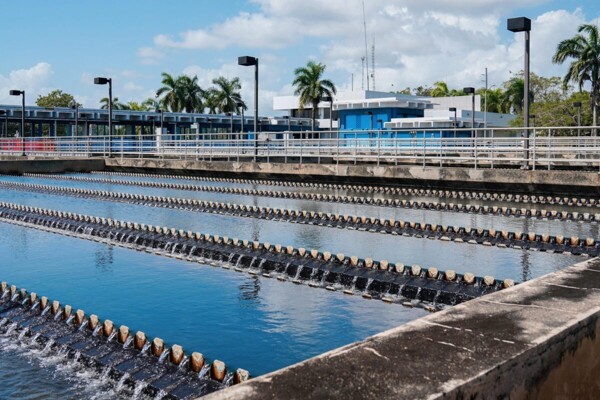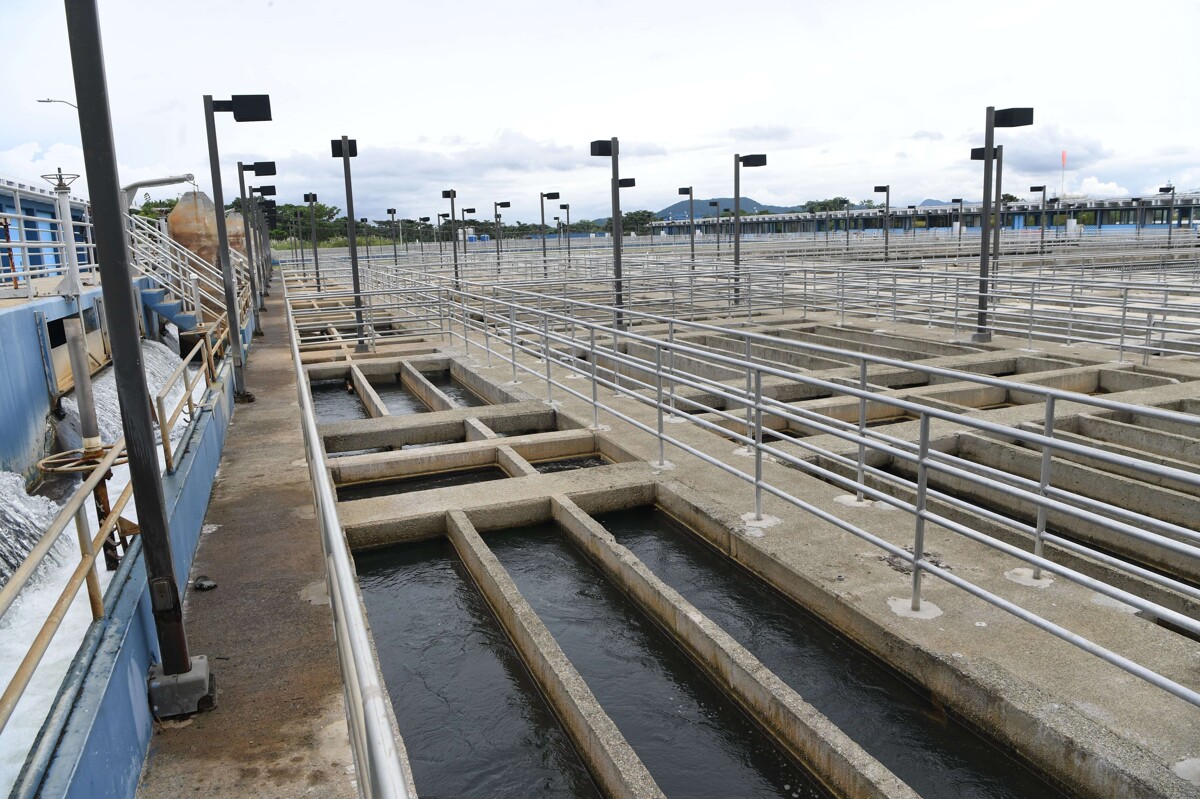
The Panama Aqueducts and Sewers Institute (Idaan) reported that the Federico Guardia Conte water treatment plant will operate at 90% of its capacity for approximately six days due to repairs on one of the motors that drives the drinking water distribution pumps to the city of Panama. The damage, recorded on Tuesday, March 24, does not affect the water treatment process but impacts the distribution system, forcing the shutdown of both the motor and its associated pump. Javier Sánchez Guillén, superintendent of the Chilibre plant, explained that the fault corresponds to a motor that operates one of the pumps responsible for sending treated water into the network. Once repaired, it will be reinstalled using heavy equipment in an operation considered to be of great magnitude. “This is a major operation that requires extended work shifts to complete it as soon as possible,” the superintendent specified. While these repairs are carried out, the plant will maintain production close to 90%, decreasing from 223 million gallons per day to approximately 203 million. This reduction will imply a decrease in the distribution system's pressure, mainly affecting distant sectors such as East Panama and elevated areas like San Miguelito. Communities that may experience supply irregularities include Tocumen, La Siesta, Pedregal, and adjacent areas in East Panama, as well as elevated sectors of San Miguelito, Alto de Panama, Hato Pintado, Los Andes 1 and 2, and areas like El Cangrejo and Betania. During these repair works, Idaan informed that its optimization team is working on pressure regulation to distribute water more equitably, which could result in intermittent supply in some sectors. “We have estimated an approximate period of six days, although this may vary depending on the final diagnosis,” it was stated. According to Sánchez Guillén, the work consists of the complete disassembly of the motor, which weighs several tons and requires the use of a 60-ton capacity telescopic crane for its extraction. The equipment will be transferred to workshops within the same plant, where a detailed review of its components, especially the upper and lower bearings, as well as other internal parts, will be carried out.