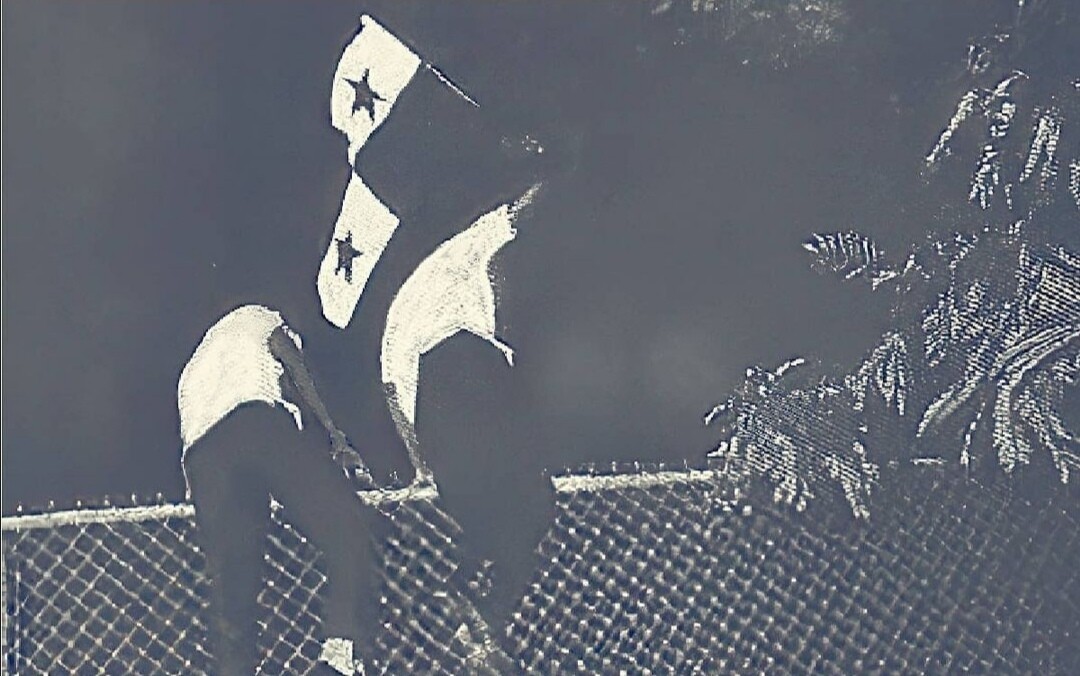
January 9, 1964, was the day Panama grew tired of asking for permission. A confrontation occurred, resulting in the Panamanian flag being torn. Riots spread and escalated into armed clashes. The crisis left 21 Panamanians dead and approximately 465 injured. Panama broke off diplomatic relations with the United States. In 1977, the Torrijos-Carter Treaties were signed, establishing the path for the canal's reversion. In 1999, Panama took full control of the Canal, culminating in a process that began after the events of January 1964. What happened could no longer be contained as an isolated riot or reduced to a local conflict. Faced with the gravity of the events, the Panamanian government made a historic decision: to break diplomatic relations with the United States. This move placed the canal conflict at the center of the international stage and showed that the model of administration of the Canal Zone had reached an unsustainable point. The diplomatic rupture represented a definitive break in bilateral relations and marked the moment when Panama raised its sovereign claim to a global scale. An impact that transcended the capital. The events of January 9 were not limited to the city of Panama. On the afternoon of Thursday, January 9, 1964, Panama found itself caught between two flags and an open wound since 1903. In the Canal Zone, a territory administered by the United States and barred to Panamanians, a decision that seemed administrative ended up detonating the country's biggest political, social, and diplomatic crisis of the 20th century. What began as a dispute over a symbol transformed, in a matter of hours, into a national outburst that left 21 dead, 465 injured, an unprecedented diplomatic rupture, and a before and after in the struggle for sovereignty. A conflict incubated for decades. Since the signing of the Hay-Bunau-Varilla Treaty, Panama was excluded from control of a strategic strip of its own territory. The Canal Zone operated as a foreign enclave, with its own laws, authorities, police, and symbols, a reality that for decades fueled constant tensions and a feeling of national humiliation. The presence of an internal border, guarded and administered by another country, turned the canal issue into a permanent source of political and social friction. Over the years, protests, diplomatic claims, and episodes of confrontation marked an unequal relationship that dragged on from Panama's separation from Colombia. In 1963, in an attempt to reduce tensions, an agreement was reached that allowed the joint raising of the Panamanian and United States flags at certain sites in the Canal Zone. The agreement, far from closing the wound, exposed the fragility of the balance. The trigger of January 9. On January 9, 1964, a group of students from the National Institute headed to Balboa High School with the aim of raising the Panamanian flag, backed by the previously reached agreement. The students' presence generated resistance from Canal Zone residents and local authorities. During the confrontation, the Panamanian flag was torn, an event that quickly spread throughout the city of Panama and became a symbol of the offense. The news spread rapidly, igniting popular indignation and turning a specific incident into a nationwide conflict. The city on edge. While clashes were initially concentrated in the Canal Zone, the reaction soon spread. Groups of citizens mobilized, riots were reported, and the atmosphere turned chaotic in different parts of the capital. The streets filled with confusion, rumors, and a growing sense of aggression from the Zone Police, responsible for security in the canal area. The National Institute, historically linked to nationalist thought and the defense of sovereignty, once again placed itself at the center of the scene. Its participation was not accidental: for decades, the institution had been a hub of activism and rejection of foreign control over Panamanian territory. The escalation and violence. The crisis escalated rapidly. It was the consequence of decades of territorial exclusion and the exact point at which Panama decided that sovereignty was not negotiable. From then on, the history of the Canal was no longer written only in English. In various provinces, demonstrations and expressions of rejection were recorded, consolidating a feeling of national unity in the face of what happened in the Canal Zone. The entire country took on the conflict as its own. From then on, the date was engraved in collective memory as a symbol of resistance and national affirmation, beyond political or social borders. The path to sovereignty. Far from remaining an isolated episode, January 9, 1964, became the direct precedent for the negotiations that, years later, would lead to the Torrijos-Carter Treaties of 1977 and, finally, to the full reversion of the Canal to Panamanian hands in 1999. January 9 was not a spontaneous outburst or a fortuitous event. The intervention of U.S. armed forces and the use of firearms marked the most critical point of the day. The clashes left a tragic toll: twenty-one dead Panamanians and hundreds injured, according to historical records. Hospitals were overwhelmed, streets were closed, and a shocked population reflected the magnitude of the impact.