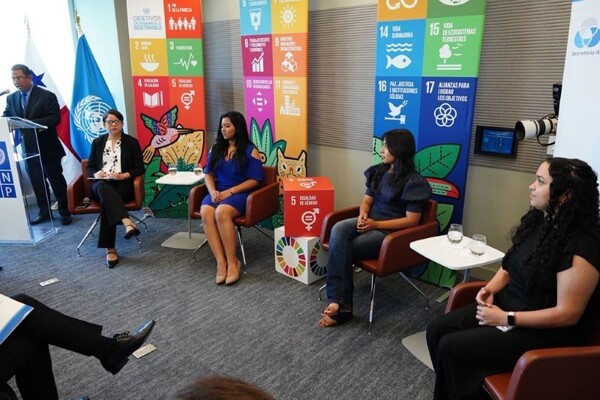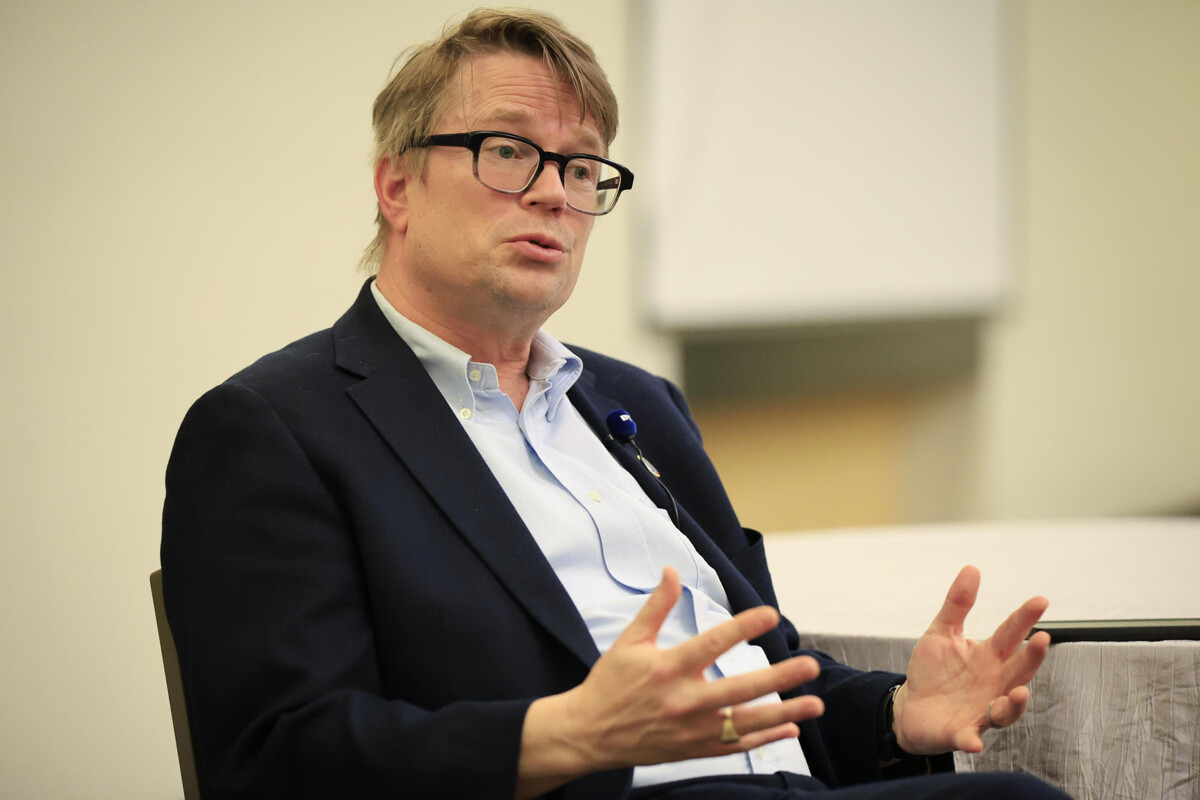
Scarcity or abundance of water are two sides of the same coin that reveals the global water crisis, which is linked not only to climate change but also to the arrival of new technologies and businesses, making it clear that the governance of this resource is now 'more important' than ever, Benjamin Kiersch, senior water specialist and global coordinator of Scalewat at FAO, told EFE. It is a matter of 'fair and sustainable allocation of water', a resource that becomes a priority in light of data such as agriculture accounting for 72% of global freshwater extractions, the official, whose office is based in Rome, Italy, emphasizes. Only 3% of the Earth's water is fresh, and only 0.5% of the total water is accessible and safe for human consumption, data collected by the Environmental and Energy Study Institute (EESI) also indicates. The Food and Agriculture Organization of the United Nations (FAO) recalls that water is a key resource for food security, and its estimates indicate that by 2050, agricultural production will have to increase by 50% to feed the world's population. Hence, 'it is important to dialogue about the priorities that societies want to give to the distribution of this resource that is increasingly scarce,' expresses Kiersch, who this week participated in a forum in Panama City alongside representatives from government, civil society, indigenous peoples, academia, and the private sector, within the framework of the Regional Dialogue on Water Tenure in Latin America and the Caribbean. This dialogue process was launched by FAO in 2023 with the objective of improving the understanding and management of water rights worldwide. We can only solve this if we have clear frameworks for the prioritization of water use,' always taking into account fundamental rights such as the right to drinking water and food, as well as the interests of society, affirms Kiersch. According to EESI, large data centers can consume up to 5 million gallons (18.9 million liters) per day, equivalent to the water use of a city of between 10,000 and 50,000 people. Data centers consume large volumes of water mainly for the direct cooling of their equipment and indirectly in the generation of the electricity they consume. In these regional meetings, a series of elements of good governance have already been identified, among them, for example, 'the recognition of the access rights of all users,' including rights formally enshrined and guaranteed by law, but also customary access and use systems, that is, the access systems of indigenous peoples and of Afro-descendants, affirms Kiersch. In addition, 'the demands of the ecosystems' have been identified, which is capital because 'if it is not ensured that there is enough water for the maintenance of the ecosystems, there will not be water for the other human uses' of the resource. Inclusive dialogue facing challenges such as data centers 'How are these needs defined,' is a topic that must be addressed in discussions among users to ensure that the allocation is inclusive, sustains Kiersch. This is a discussion that takes on extreme relevance in the face of the evolution of technology and business, such as the case of data centers, which consume huge amounts of fresh water. The case of large data centers, comments the FAO specialist, 'is another challenge that countries face,' as they are economic sectors 'that did not exist 10 years ago' and that now need water.