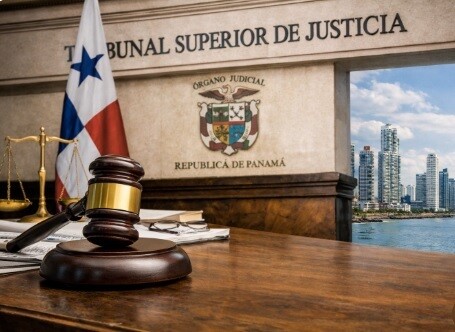
The Supreme Court has validated the territorial plan for San Francisco and upheld Agreement 270, approved by the Municipality of Panama. The magistrates decided not to grant the constitutional guarantees presented against that agreement. The Tribunal specified that the law does not require a minimum number of participants nor does it prohibit holding these consultations on dates coinciding with national events. The ruling recognizes that Agreement 270 was necessary to territorially order San Francisco, due to a previous regulatory gap. It is also clarified that Boca La Caja is not part of the provisions established within this agreement. With these decisions, it is confirmed that Mayor Mayer Mizrachi, the Municipality of Panama, and the Urban Planning Department acted in accordance with the law throughout the process. One injunction was filed by lawyer Roberto Ruiz Díaz in his own name, and the other by the Soy Paitilla Association. In the latter case, the Tribunal even revoked the first-instance decision that had allowed the appeal to proceed. The rulings conclude that there was no violation of fundamental rights or due process. Furthermore, it indicates that its development had technical support, institutional coordination, and spaces for citizen participation. Regarding zoning, it is validated that the modifications were made based on technical criteria and contributions from the community. The First Superior Court of the First Judicial District made its position clear.