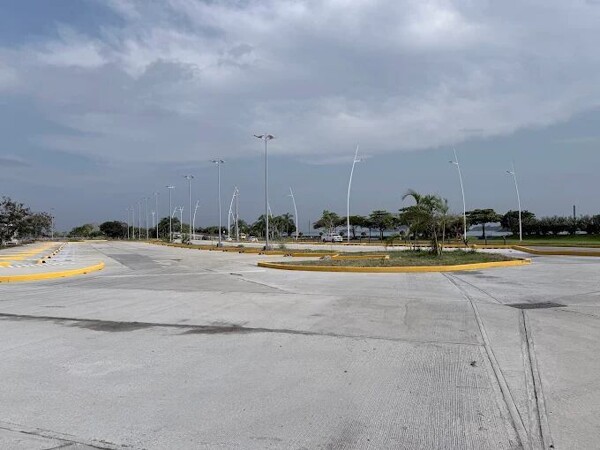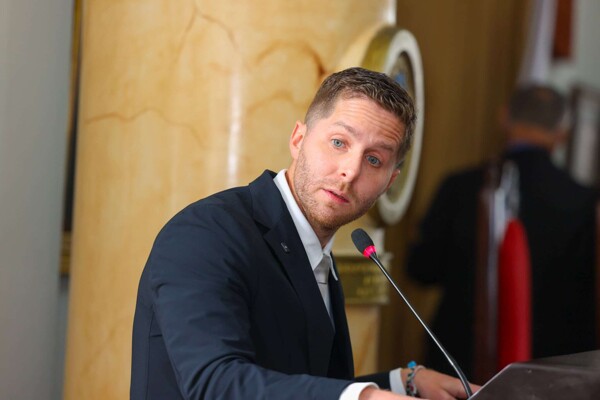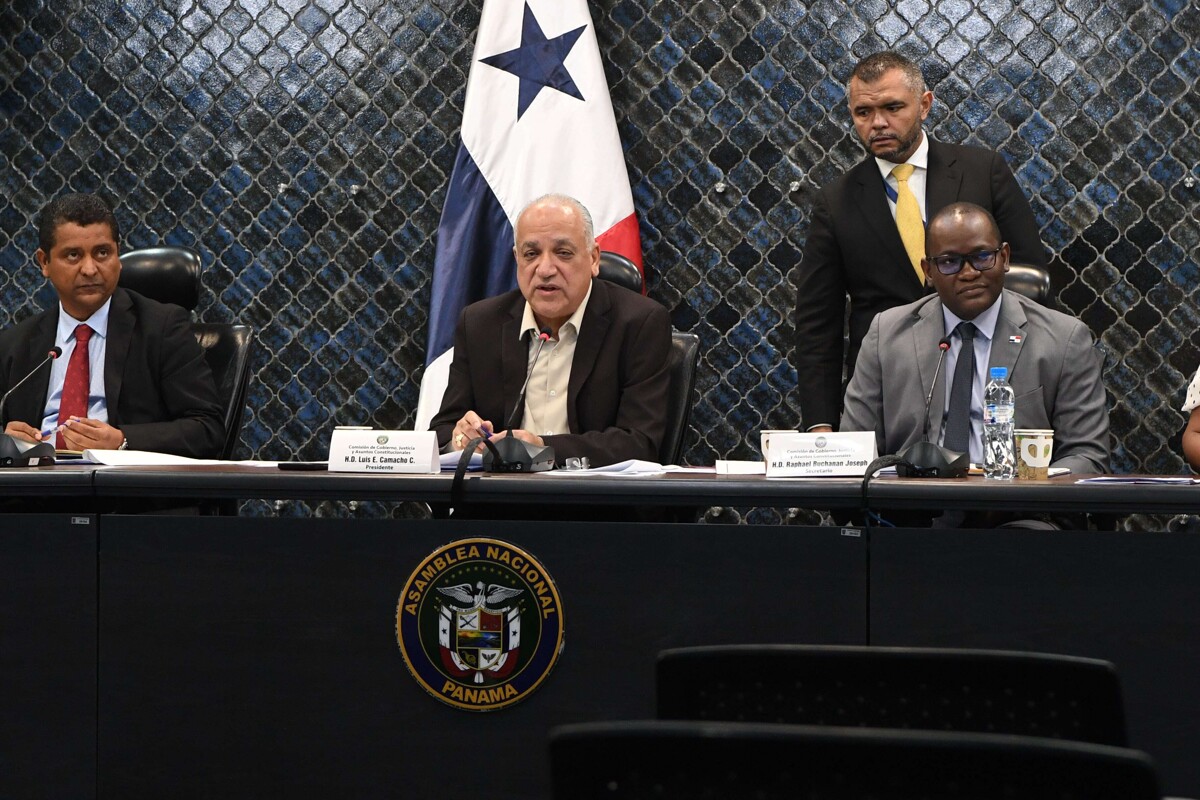
The National Assembly called for a fair process. Among the 35 candidates for the post are the current Defender, Eduardo Leblanc, who is running for re-election, and the former Supreme Court Justice, Ángela Russo. The Defender of the People is an independent body responsible for safeguarding fundamental rights against possible abuses by state institutions, under the protection of Law No. 7 of 1997. The Government, Justice, and Constitutional Affairs Commission of the National Assembly will hold interviews with the 35 candidates for the Defender of the People next Monday, March 30, starting at 9:30 a.m., in the Blue Hall of the Justo Arosemena Palace. Each candidate will have a five-minute slot to present their work plan before the commissioners. This was confirmed by Deputy Luis Eduardo Camacho, of the Realizing Goals party and president of this legislative body. The commission requested that any comments or objections regarding the candidates be submitted this Wednesday and Thursday, March 25 and 26, in person at the commission's headquarters. This condition has been criticized by several civil society organizations, including the Levántate y Anda Foundation, which expressed its 'deep concern' over the established rules. In a letter addressed to the commission, the organization, led by Fanny H. Wong, stated that the mandatory physical appearance constitutes a barrier to citizen participation. According to the note, this measure directly excludes people with reduced mobility, those residing in remote areas from the capital, and those who do not have the logistical resources to travel. The foundation detailed that the logistical exclusion is aggravated by the lack of parking at the Assembly, to which are added economic barriers such as the rise in fuel costs and the lack of time, as a period of only two days prevents a responsible analysis of the profiles. Consequently, they requested urgent measures such as allowing objections to be sent via email or web forms with legal validity, extending the review period, and reinforcing communication about the process. 'Democracy is strengthened when institutions remove obstacles instead of creating them,' the foundation stated. The Defender of the People has autonomy to investigate official acts that affect human dignity and has the power to inspect files or issue public censures to officials. Although it cannot hand down sentences or intervene in private lawsuits, its figure is key as a mediator and watchdog of the fulfillment of human rights, especially to protect vulnerable groups such as people with disabilities, deprived of liberty, and indigenous communities. Currently, the defender of the people receives a monthly salary of $3,500 and another $3,500.00 in representation expenses, for a total of $7,000. During the incident period of this Wednesday's session, Camacho spoke about the approach that institution should have. 'The Defender of the People is not a mayor's office. It is a body specialized in the defense and protection of human rights,' he argued. Criticisms However, the process has generated questioning.