Betting on development nodes in the West, North, and East would not only decongest the city but also build a more equitable, efficient, and resilient metropolis. The planning already exists; what is missing is turning it into action. The author is a former Minister of Housing and a student of the Master's in Territorial Planning for Sustainable Development at the University of Panama.
Panama Metropolitan: from the endless corridor to the city of nodes The expansion of the Panama metropolitan area has followed, for decades, a linear logic that has produced an elongated city, dependent on a single mobility axis and with an excessive concentration of jobs and services in the capital. This model, which once seemed functional, has today become a permanent source of urban inefficiency. The city needs to transition to a polycentric model, capable of distributing opportunities and reducing pressure on the road axes and on the metropolitan center itself. The creation of urban development nodes in strategic regions — West, North, and East — is not just a technical alternative; it is a metropolitan urgency.
A city that forces too much movement The scattered and disorderly growth has generated an extreme dependence on the automobile and long-distance public transport. Thousands of people travel excessive distances daily between their homes and their workplaces, with social, economic, and environmental costs that can no longer be ignored. The official diagnoses coincide: the Metropolitan Urban Development Plan and the various Territorial Planning Plans (POT) have warned that the current structure is unsustainable.
The solution does not lie solely in expanding roads or extending corridors. It is about creating city. Without these instruments, any attempt to create development nodes would be left to improvisation and fragmented interests. Ordering the territory is not an isolated technical exercise: it is a political decision that determines the quality of life for millions of people.
Three regions, three opportunities 1. West Panama: a node that already exists, but needs direction. Arraiján and La Chorrera register one of the most significant demographic growths in the country. With the future Metro Line 3, the West has the opportunity to become a robust urban node, with well-defined centralities, diversified economic activities, and a development model oriented towards mass transport (DOTS). This forces tens of thousands of residents to cross daily towards the capital, saturating the bridges and corridors. However, the local job offer has not grown at the same rate.
-
North Panama: an environmental and logistical node. Chilibre, Las Cumbres, and Alcalde Díaz have unique territorial advantages: land availability, proximity to the Canal's logistical corridor, and an environmental environment that requires protection. This node would allow for ordering growth, attracting logistical and technological activities, and reducing pressures on the canal basin. It would also generate jobs close to communities that today depend on long commutes.
-
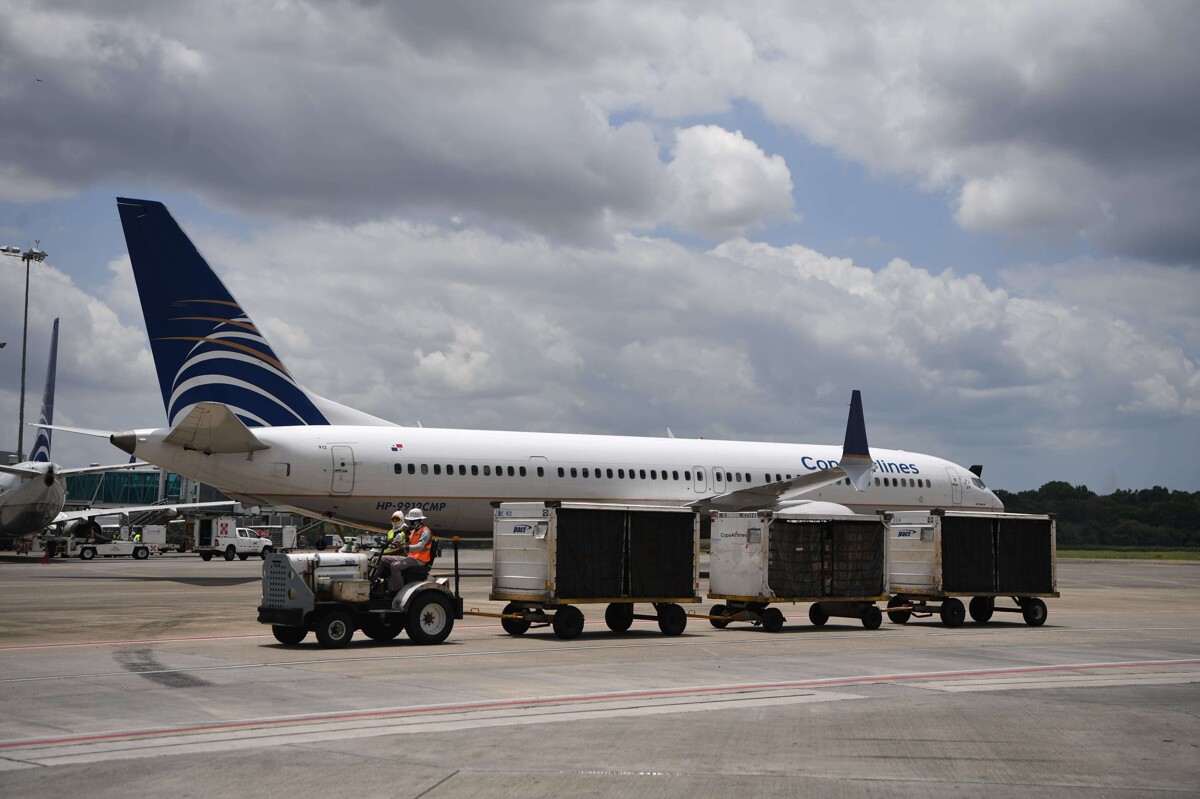
East Panama: the airport and technological potential. The Tocumen, 24 de Diciembre, and Pacora area has a strategic position thanks to the international airport. A specialized node in airport services, innovation, logistics, and technology can be consolidated there. It would also balance the metropolitan structure and offer high-productivity jobs to a rapidly growing population.
The decisive role of Territorial Planning Plans The POTs are essential tools to transform the city. They allow defining land uses, guiding investments, identifying risk areas, protecting environmental areas, and establishing urban centralities. International experience shows that the most efficient cities are those that bring daily life closer to people.
The future is in three directions Panama has the opportunity and the need to leave behind the linear model that has marked its metropolitan development. The current urban structure forces most formal jobs to concentrate in the center, while the population grows rapidly on the periphery. The result is evident: chronic congestion, loss of productivity, deterioration of the quality of life, and a constant increase in mobility costs.