The recent fire under the Bridge of the Americas, which resulted in one fatality, has led to specialists from the U.S. Army Corps of Engineers conducting structural evaluations of the bridge. Meanwhile, the government of President José Raúl Mulino is analyzing the possible relocation of fuel storage tanks located in that area.
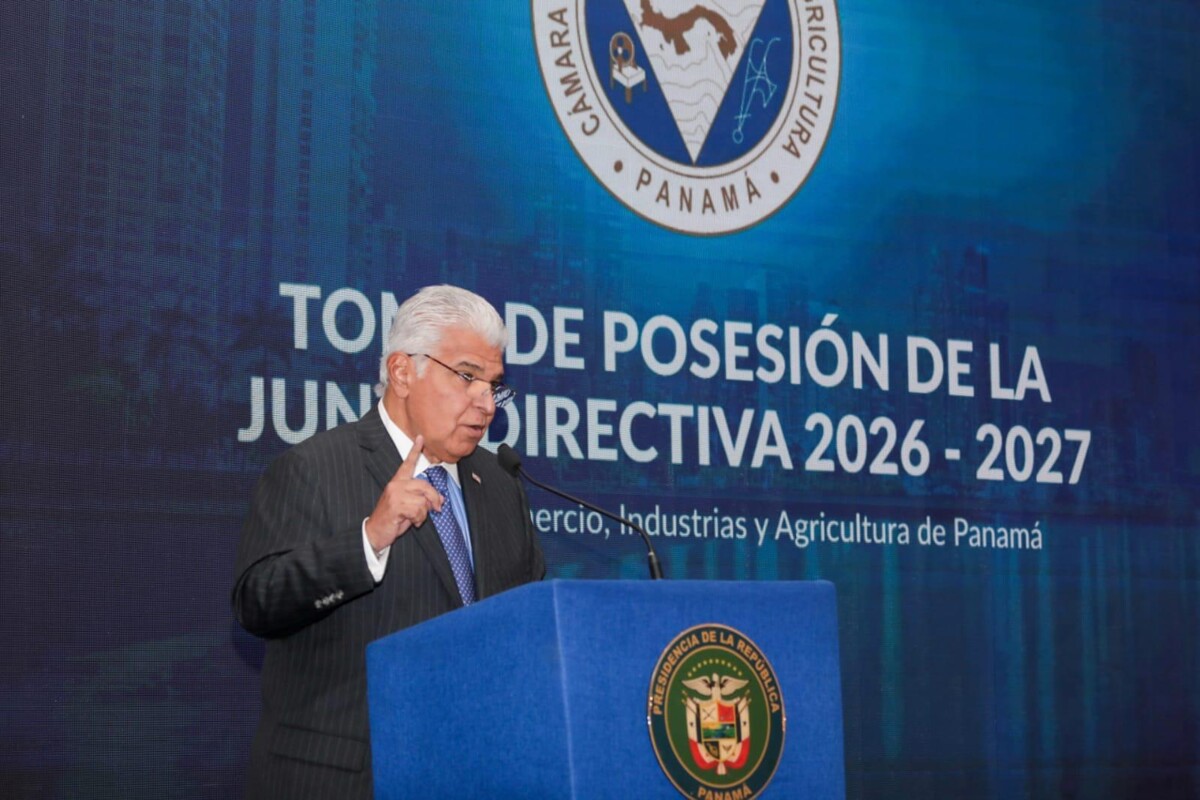
The president lamented the incident and stated that beyond the tragedy, it leaves a "lesson" about the importance of the country's interconnectivity and the need to assess critical infrastructures that coexist in highly sensitive areas like the vicinity of the Panama Canal.
Mulino confirmed that no decision has yet been made regarding the future of the fuel tanks under the bridge, many of which show clear signs of abandonment. He noted that some even show vegetation growth inside, suggesting prolonged deterioration and a possible loss of operational utility.
The president specified that there are over 100 hectares of similar facilities between the Pacific and Atlantic, which will undergo technical evaluation to determine their viability or repurposing. These lands, due to their strategic location by the sea, could be destined for other uses, depending on the results of the analyses by the competent authorities.
The Panama Maritime Authority explained that these tanks date back to 1945 and comply with safety standards different from current ones.
This measure seeks to preserve the scene and prevent new incidents while investigations are ongoing. In parallel, the Ministry of Public Works, along with other institutions such as the Fire Corps, the National System of Civil Protection, the Panama Canal Authority, and the Technological University of Panama, is conducting a structural evaluation of the bridge. To this effort, a team from the U.S. Army Corps of Engineers has joined, collaborating on the technical analysis as the original structure was designed under that country's standards.
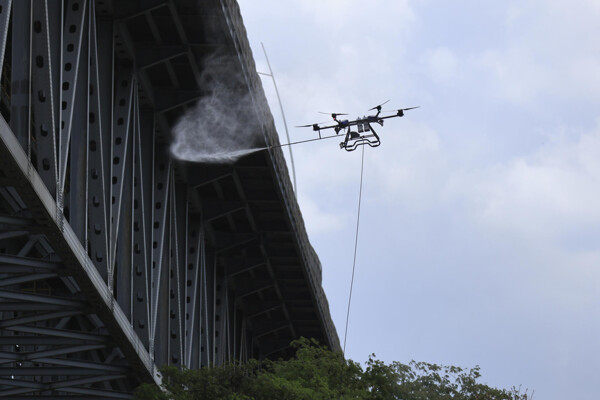
As part of the inspections, laboratory tests will be performed on metal samples from the bridge, in addition to the installation of measuring devices to monitor possible deformations in the areas most affected by the heat of the fire. Authorities reiterated that any decision on the future of the fuel tanks, both in the Pacific area and in Colón, will depend on the results of these technical evaluations and ongoing inter-institutional working tables, in a context where security, efficient use of the territory, and protection of strategic infrastructures are at the center of the national debate.