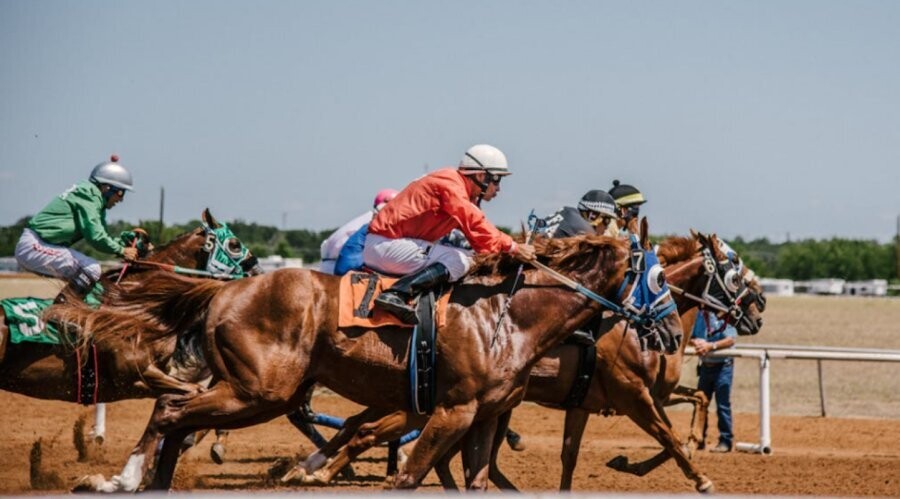
Horse racing in Panama is much more than a sport; it's a vibrant cultural institution that intertwines history, national pride, and international competition. Panama's location as a global hub and its reputation for producing exceptional jockeys provide solid foundations for continued success.
Why It Matters Horse racing in Panama matters for many reasons. It is a national symbol, representing excellence and pride. It is a cultural bridge, linking generations through shared traditions. It is an economic force, supporting jobs and local businesses.
A Historical Ride The earliest beginnings of equine speed contests in Panama took place informally. As early as the turn of the 20th century, impromptu races in Panama City saw two or more horses and riders sprinting along avenues amid cheering locals. In 1922, the sport took on formal structure with the founding of the Panama Jockey Club, establishing regulated racing and setting the foundation for a national industry. Over the decades, Panama developed breeding farms, registered studbooks for thoroughbreds, and a racing infrastructure that anchors horse racing firmly in its sporting culture.
Jockeys and Trainers: Panama's Greatest Export Perhaps Panama's most valuable contribution to world racing is its production of elite jockeys. The country is home to the Laffit Pincay Jr. Jockey Training Academy, named after the legendary Panamanian-born Hall of Fame jockey. Established in 2009 at the Hipódromo Presidente Remón, the academy trains aspiring riders in all aspects of the profession. Many of its graduates have gone on to international prominence, racing at major tracks in North America and Europe. It is a global calling card, producing talent and champions who carry the Panamanian flag onto the world stage.
Culture, Betting, and Modernization The culture surrounding horse racing in Panama blends competition, community, and celebration. Race days are lively social occasions where fans enjoy music, food, and friendly wagers, creating a festive atmosphere that attracts people of all ages. Betting has always been integral to the experience. The Panamanian government has authorized online wagering and modernized betting shops, reflecting the sport's evolution into the digital age.
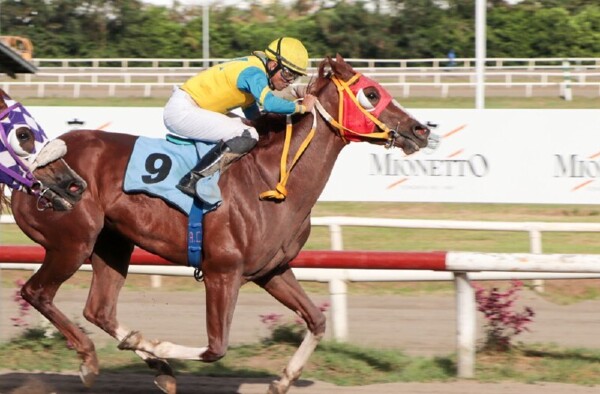
International Reach and Major Events The heart of Panamanian horse racing is the Hipódromo Presidente Remón, located in Panama City. This racetrack hosts regular race days and international classics, drawing large crowds and global attention. The Caribbean Classic is the pinnacle of regional racing, featuring multiple Grade 1 races with combined prize money surpassing US $800,000. In 2023, the Hipódromo Presidente Remón served as the venue for this celebrated event, welcoming thoroughbreds from Venezuela, Mexico, Puerto Rico, Colombia, and Ecuador. Panama has long been dominant in this competition, boasting more wins than any other participating nation.
The Triple Crown and Local Classics Like other racing nations, Panama has its own Triple Crown for three-year-old thoroughbreds. The series includes the Clásico Arturo Delvalle, Clásico Augusto Samuel Boyd, and Clásico Carlos Eleta Almarán. Winning all three in the same season is a rare and prestigious achievement, celebrated widely within the Panamanian racing community.
Challenges and Opportunities Despite its enduring popularity, Panama's horse-racing industry faces several challenges. Global competition is another challenge. To stay relevant, Panama must continue investing in breeding programs and training facilities. Maintaining high standards for animal welfare and attracting younger audiences are also priorities. On the positive side, there are strong opportunities ahead. The growing interest in equine tourism offers potential to attract international visitors.
For Visitors and Enthusiasts Visitors to Panama who want to experience the sport firsthand should plan a weekend trip to the Hipódromo Presidente Remón. Arriving early allows time to explore the paddock, observe the horses, and enjoy local food and music. Dress codes are casual but neat, and newcomers will find staff and fans alike eager to explain the betting process.
Conclusion In Panama, horse racing is more than a pastime; it is a living tradition that connects history, sport, and community. With a world-class racetrack, celebrated jockeys, and a dynamic betting culture, Panama remains a proud guardian of the "Sport of Kings" in the heart of the Americas.