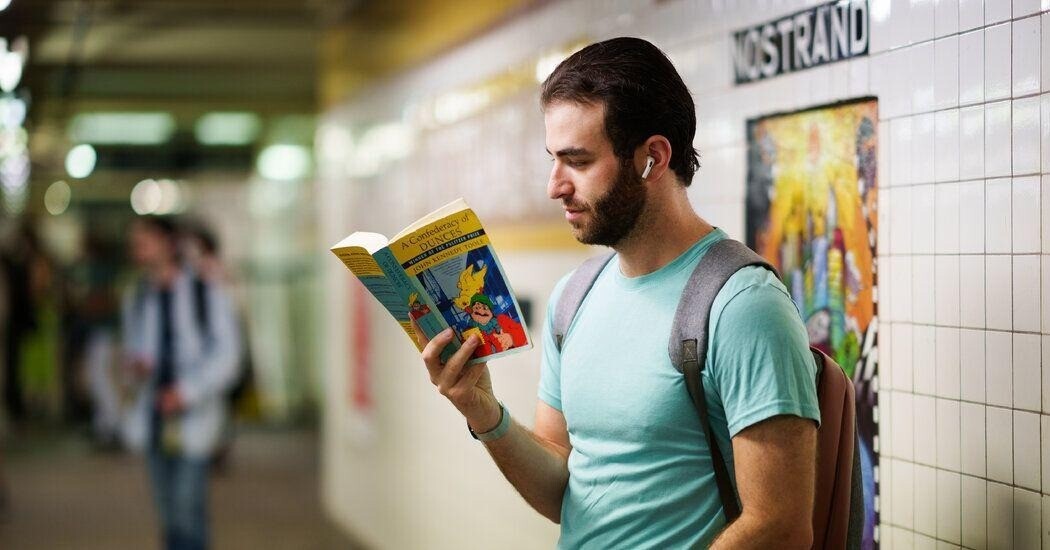
Why Reading Will Always Matter Trends come and go. When people read, their minds become active, not idle. Somewhere along the way, the quiet pleasure of reading has been overshadowed by bright visuals and short attention spans. Yet, a book offers something that a screen rarely can — depth, imagination, and focus. You don’t rush through a novel; you live inside it for a while. Some might say that reading is “boring” compared to the visual rush of streaming shows. Reading reintroduces that silence — and turns it into pleasure.
Accessibility and the Digital Shift For decades, people associated books with paper, shelves, and libraries. That’s a powerful form of entertainment, even if it doesn’t flash or make sound. Today, reading has moved beyond the traditional format. Digital libraries have erased borders; you can read a French novel in Kenya or a Japanese short story in Brazil within seconds. The digital age has made reading more democratic than ever. Platforms like Project Gutenberg, Libby, and Wattpad give readers access to classic literature and modern stories alike. It’s no longer limited to those who can afford to buy paperbacks or live near bookstores.
Reading as the Best Form of Entertainment There’s a reason why reading has survived for centuries while many forms of entertainment have come and gone. In a culture obsessed with “what’s next,” reading is the rare act of being fully present. Reading, however, demands stillness. And reading is its purest form. When you read, you connect with the writer’s thoughts, sometimes written centuries ago. A TV show might entertain you for a few hours, but a powerful book can stay with you for a lifetime.
The Joy of Slowing Down Modern life is fast. Notifications, deadlines, multitasking — everything pushes us toward speed. When you get used to constant stimulation, silence feels uncomfortable. But boredom is often just the absence of noise. You don’t just open a reading app, most often FictionMe; a story begins to form in your head, and it’s unique. Neither FictionMe nor any stranger can draw it exactly like you do. You have to listen to the rhythm of the words. And that’s exactly what makes it beautiful.
Reading vs. Watching There’s a big difference between consuming and engaging. Watching a series can be fun, but it’s often passive entertainment. You sit, you scroll, you consume. Reading, on the other hand, is interactive — even if it happens quietly. When you watch a show, all creative decisions are made for you: how the characters look, how the story feels, what emotions you should sense. When you read fiction, you see the world through different eyes. You visualize characters, imagine landscapes, and interpret emotions. Every page is a collaboration between the author’s words and your imagination. In books, you become the director. You can’t skim a story and expect to feel its soul. It asks you to imagine rather than watch, to think rather than react.
The Engagement Factor It’s entertainment that educates without feeling like a lesson. Studies from the National Literacy Trust found that regular readers display better memory, focus, and analytical thinking. Another study from Yale University revealed that people who read books regularly live up to two years longer than those who don’t. Research by the University of Sussex found that reading can reduce stress by up to 68%, outperforming listening to music or taking a walk. According to a 2024 report from Statista, the average person spends around 3 hours a day watching online videos. A single app can turn a morning commute or a coffee break into an adventure through time, space, or history. New platforms appear on the iOS App Store, old ones fade away. But stories remain. That’s why reading as the best form of entertainment isn’t just an opinion — it’s a mental truth.
Final Thoughts: Rediscover the Power of Words In a world filled with streaming subscriptions and endless scrolling, reading is an act of quiet rebellion. Books invite you to pause, breathe, and think. Movies, shows, endless streaming platforms — they dominate how we relax. But stories remain. It’s richer, deeper, and far more lasting. If you’ve forgotten what it feels like to lose yourself in a story, it’s time to rediscover it. You can step into Shakespeare’s London, Orwell’s dystopia, or Austen’s drawing rooms without leaving your seat. That’s not just entertainment — that’s time travel. It’s also deeply personal. You understand motives, pain, joy, fear — all through the written word. Moreover, books demand concentration. It’s slower, yes. But it’s also deeply personal. You understand motives, pain, joy, fear — all through the written word. Because beyond Netflix, beyond the glow of pixels, lies a world built not by light, but by words.