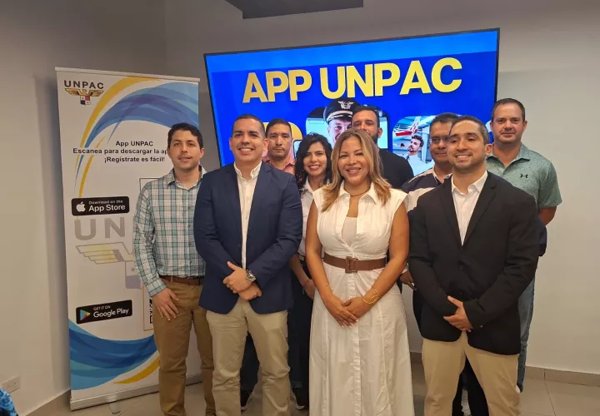
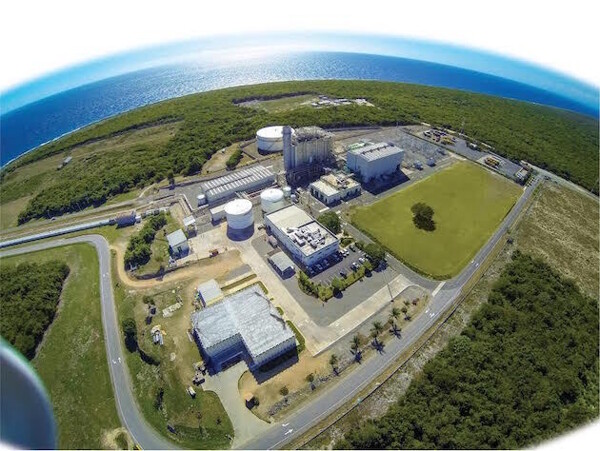
The Panama Agricultural Innovation Institute (IDIAP) has marked a milestone in the protection of national agriculture with the inauguration of its Molecular Biology Laboratory at the Alanje Subcenter, Chiriquí, thanks to the support of the National Secretariat for Science, Technology, and Innovation (Senacyt) and the Inter-American Development Bank (BID).
Engineer Alexandra Rodríguez, General Director of IDIAP, leads this initiative, which aims to use genetic information to develop rice varieties that are naturally immune or resistant to the strains of the fungus present in Panama. The project is the result of a vital collaboration, also highlighting the representation in Panama of the International Regional Organization for Agricultural Health (OIRSA), which is a partner in this effort to increase competitiveness and food security.
Anthony Santos, regional director of ANATI in Chiriquí, stated that technology advances every day, opening new opportunities for innovation, research, and the sustainable development of our country. The team of researchers, led by Dr. Rodríguez Justavino and including experts with decades of experience such as Dr. Ismael Camargo Buitrago and Dr. Délfida Rodríguez Justavino, the project's principal researcher, presented in detail how this team will allow reading the genetic code of the blast fungus to accurately identify the "races" that affect local crops.
In his opinion, Panama has a lot to offer the world, and this new IDIAP Molecular Biology Laboratory represents a firm step towards that future of knowledge, productivity, and scientific competitiveness. "This collaboration has transformed this center into a reference facility, ready to face the challenges of the 21st century," indicated Dr. Eduardo Ortega Barría, national secretary of Senacyt.
The first phase of the project has been completed, and in the second and final phase, the adaptation of the Molecular Biology Laboratory is underway in a part of the Alanje Subcenter infrastructure; the necessary furniture and equipment have been acquired to expand knowledge and studies on the diversity of fungi associated with rice and other economically important crops, using molecular techniques.
Alexandra Rodríguez, General Director of IDIAP; the Lcdo. Jeydon Ortega, regional deputy director of MIDA, representing Minister Roberto Linares, who stated that this event marks a significant milestone for the Panamanian agricultural sector. The implementation of this laboratory not only represents a scientific and technological advance but also a firm step towards strengthening our research, diagnosis, and response capabilities against the challenges affecting the country's agricultural and livestock production.
Dr. Evelyn Quirós will focus on mapping the hazard and identifying all "races" of the blast fungus present in Panama, designing resistance, and using this genetic information to develop and release new rice varieties that can specifically resist these local strains.
"Senacyt supports this laboratory through the project 'Strengthening of equipment, instrumentation, and remodeling of infrastructures to efficiently respond to the problems of agriculture in Panama.'"
For the first time, Alanje and other nearby production areas are gaining more relevance, as they now have the support of an innovative and well-equipped Molecular Biology Laboratory that addresses the difficulties the agricultural sector faces in those production zones, added Rodríguez.
Representing the Governor of Chiriquí, the Lcdo. Jeydon Ortega, regional deputy director of MIDA, in representation of Minister Roberto Linares.
Looking beyond the staple grain
Although rice is the initial priority, the investment in this laboratory has a much broader scope. With this laboratory, new opportunities are opening for genetic analysis, early disease detection, improvements in productive varieties, and applied research for food security. The new infrastructure and its state-of-the-art equipment have the capacity to genetically identify the fungi that cause diseases in other crops important to the region's economy, such as lowland coffee, and in the future, highland crops like potatoes and onions.
The ultimate goal is not just to cure the crop disease but to prevent it, by developing rice plants that are "immune" or highly resistant to the fungus naturally, without needing to use so many chemicals. This laboratory becomes the country's main weapon to ensure rice production against the destructive fungus known as "rice blast" and will also play a crucial role in the IDIAP Rice Genetic Improvement Program.
As Dr. Camargo explains, the motivation is to give producers innovative solutions that allow them to be competitive and ensure food for all Panamanians.