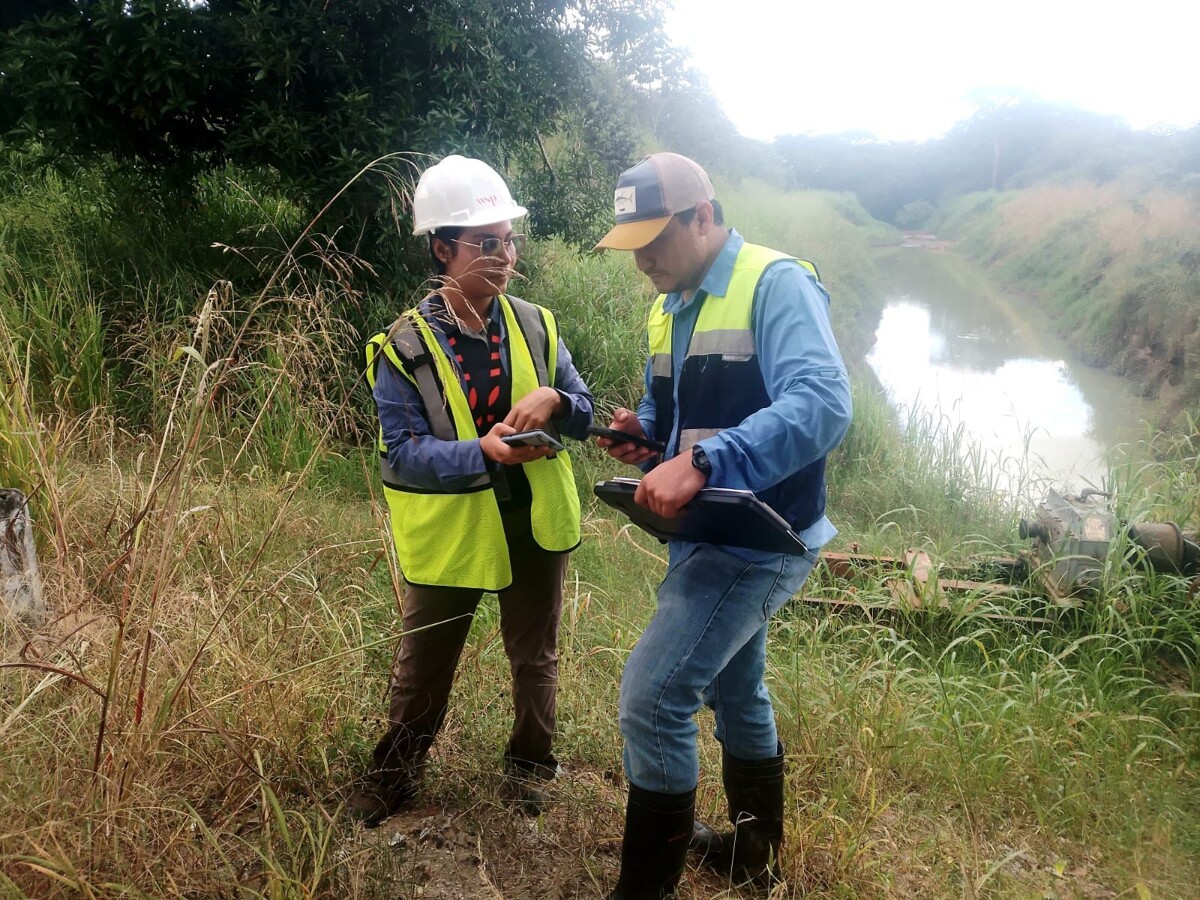
The Panama Railway National Secretariat (SNDF) has officially begun the development of the Environmental Impact Assessment (EIA) Category III for Phase 1 of the Panama–David–Border railway project, in a strategic alliance with the international firm WSP. This phase of the study is essential to guarantee that the project's development is carried out under high standards of sustainability and respect for communities and the environment. The EIA, which will cover from Panama to Divisa, aims to conduct a baseline environmental, social, and cultural survey along the route of Phase 1, which involves the provinces of Panama, West Panama, Coclé, and Herrera. Fieldwork will begin in November 2025 and extend until March 2026. The study will be conducted to collect the necessary information to characterize the current conditions of the environment and allow for a detailed socio-environmental assessment of the project. In addition to the technical studies, the EIA will include an important social component, ensuring that communities located in the project's area of influence are an active part of the process. Through surveys, interviews, informational meetings, and dialogue spaces, residents will be able to express their opinions and concerns about the project's impact. "The community participation phase is fundamental. We want this project to be a model for how progress can be built while respecting our environmental heritage," expressed Engineer Henry Faarup. Furthermore, environmental management, prevention, mitigation, and compensation measures will be defined, in order to guarantee a responsible and sustainable execution that is in harmony with the environment and local communities. "This study marks a fundamental step for the railway project. We want all Panamanians, especially those living in areas near the train's route, to be informed and able to contribute with their vision." We are advancing responsibly, taking into account the particularities of each community and its natural environment. "This train represents more than infrastructure; it is a symbol of integration, progress, and national vision," added Faarup. The execution of this study aligns with the environmental protection standards of multilateral development banks, as well as the highest international sustainability standards. The environmental research process will be key to ensuring that the railway project advances responsibly, always seeking a balance between infrastructure development and environmental conservation. The start of these studies is carried out in compliance with Executive Decree No. 1 of March 2023, which regulates Chapter III of Law 41 of 1998, "General of Environment of the Republic of Panama," and its amendments introduced by Executive Decree No. 2 of 2024. With the implementation of this Environmental Impact Assessment, Panama continues to advance in the construction of modern and sustainable railway infrastructure, aligned with the international commitments assumed by the State for a responsible and balanced growth.