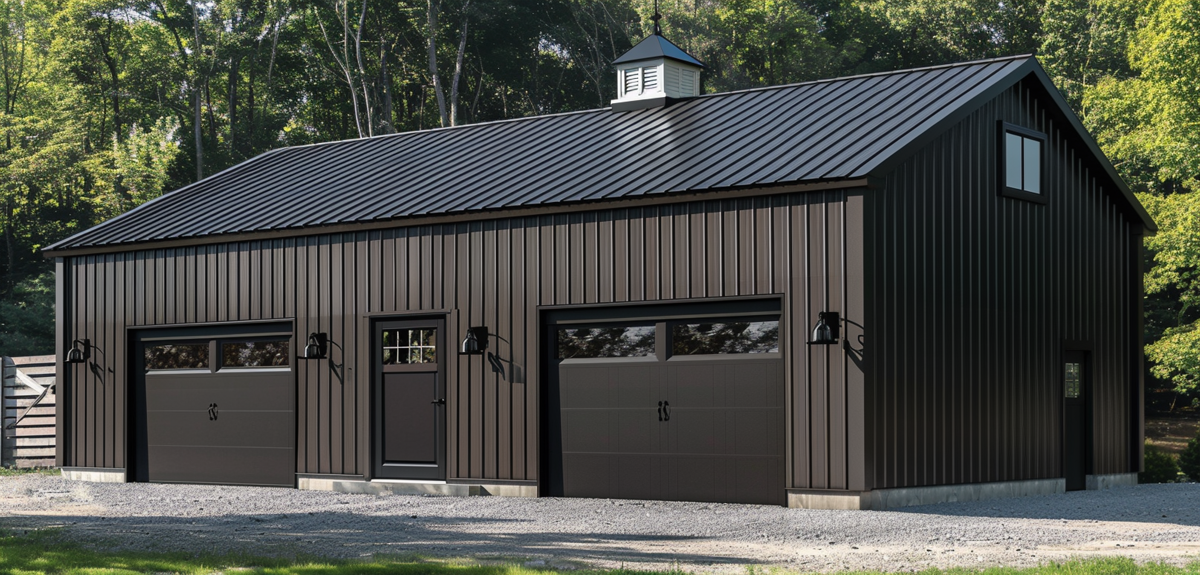
In various climates, versatility is key. Recommended features: good insulation (R-13 to R-25 depending on region), vertical roof for year-round protection, ridge ventilation to handle seasonal humidity, reinforced framing for both wind and snow, durable door systems that resist temperature swings. Choosing a balanced design ensures reliability regardless of season. Don’t overlook the foundation and anchoring system. No matter your climate, the foundation and anchoring system determine how well your garage performs over time. Local building codes are usually based on these conditions, so knowing your region’s requirements helps you choose the correct strength, framing, and roof system. Key factors include: average snowfall, maximum wind speeds, humidity levels, temperature extremes, risk of hurricanes or tornadoes, soil conditions and drainage. A properly engineered garage must meet or exceed all these requirements. Cold climates: snow load and insulation matter. If you live in a snowy region—northern states, mountain areas, or anywhere with heavy winter storms—your steel garage needs a roof system designed for high snow loads. What to look for: a vertical roof style, which prevents snow accumulation, heavier-gauge steel framing, narrower frame spacing for added strength, insulated walls and roof panels, strong trusses that distribute weight evenly. Insulation is especially important in cold climates to reduce heat loss, prevent condensation, and protect vehicles or equipment from freezing temperatures. Wind-prone areas: hurricane-grade engineering. Coastal regions and open plains require garages with higher wind ratings. Choosing a steel garage is not just about selecting the right size or style—it’s about choosing a structure engineered to perform in the specific climate where you live. Steel garages, however, can be protected from corrosion with proper coatings and materials. Look for: galvanized steel frames, rust-resistant coatings on panels, vapor barriers under roofing and insulation, adequate ventilation to prevent condensation, enclosed or elevated foundations to avoid moisture contact. Coastal buyers often benefit from upgrading to higher-grade steel or additional protective paint systems. Mixed or variable climates: choose a versatile design. Many regions experience both harsh winters and hot summers. Wind can exert extreme pressure on walls and roof panels, so the structure must be reinforced accordingly. Best features for high-wind climates: rated wind speeds that match or exceed local code, bolted, not pinned, anchor systems, reinforced vertical roof panels, heavier bracing on sidewalls and end walls, additional supports in door frames. Upgrading anchor systems—such as to mobile home anchors or concrete anchors—significantly improves wind resistance. Hot and dry climates: heat management and ventilation. In desert regions and southern states, extreme heat can cause garages to trap hot air, making them uncomfortable and potentially damaging to stored items. What helps in hot climates: reflective, light-colored roof panels, ridge vents or turbine vents for airflow, insulated roofs to minimize heat transfer, taller leg height to improve ventilation, UV-resistant panel coatings. Insulation isn’t just for cold areas—proper insulation also keeps garages cooler and reduces energy costs when using fans or mini-split systems. Humid or coastal climates: moisture and corrosion protection. Humidity, salty air, and constant moisture can shorten the lifespan of traditional buildings. With the right design, materials, and structural reinforcements, your steel garage will remain strong and functional for decades. The post How to Choose the Right Steel Garage for Your Climate appeared first on Newsroom Panama. Temperature swings, humidity, snow loads, wind exposure, and seasonal storms all play a major role in how your garage will hold up over the years. Consider: concrete slabs for stability and drainage, proper grading to prevent water pooling, heavy-duty anchor systems for wind or seismic zones. A strong structure always starts from the ground up. Conclusion. Selecting the right steel garage for your climate ensures long-term protection, reduced maintenance, and safer storage for your vehicles and equipment. Many buyers rely on manufacturers like US Patriot Steel, who engineer buildings according to regional codes and climate demands, ensuring every structure is built to last. Below is a practical guide to selecting the right steel garage for your climate. Understand your regional requirements. The first step is identifying which environmental factors affect your area most. Whether you face snow, wind, heat, or humidity, the key is choosing a building engineered specifically for your environment. The right design ensures long-term durability, protects your vehicles and equipment, and reduces maintenance costs. Some regions face high humidity and moisture, while others deal with extreme winters or powerful winds.