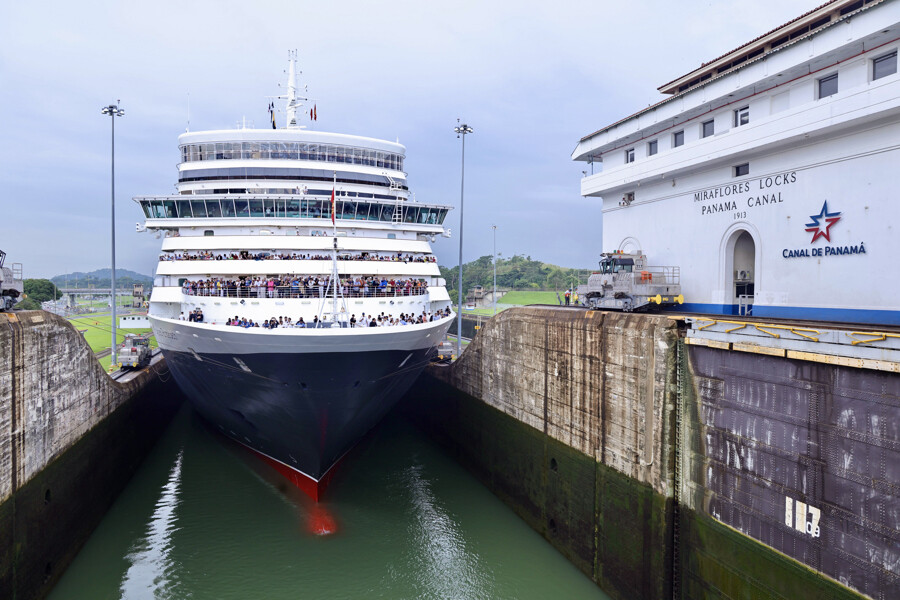
By following this path, Panama has the opportunity to solidify its role as a bridge between the north and south of the continent, provided it combines openness with strategy, human capital strengthening, technological innovation, and modern institutional governance. Panama's accession to MERCOSUR represents a pragmatic and strategic decision that opens new possibilities for economic diversification and attraction of foreign investment. This measure reflects a strategy of gradual openness, which seeks to reconcile trade expansion with the protection of sectors vital for food security and rural employment. By becoming the first non-South American state to join the bloc, Panama reaffirms its vocation as a logistical and commercial bridge, backed by the strategic importance of the Panama Canal. At the same time, Panama deliberately excluded twelve agricultural products considered sensitive, in order to safeguard national production and ensure that the integration is carried out in a balanced manner. According to the Comptroller General's Office, Panama's Gross Domestic Product registered a growth of 2.9% in 2024, a modest but significant figure amid social tensions and paralyzed projects. In the same year, exports reached $1,294 million, an increase of 8.6% compared to the previous year, although they still represent less than 2% of GDP, reflecting a wide margin for diversification. The services sector, the traditional engine of the Panamanian economy, consolidated its leadership in 2025. During the first half, service exports reached a historic record of 9,761.8 million balboas, driven mainly by maritime and air transport, tourism, and finance. Panama's accession to MERCOSUR occurs in an economic context that shows both challenges and possibilities for expansion. While integration with MERCOSUR does not imply absolute market liberalization, it requires harmonizing part of Panama's regulatory framework with the bloc's technical, sanitary, and tariff norms. This process, although essential to facilitate trade, may entail adaptation costs for both the public and private sectors. Analysts and specialists in the region have emphasized that Panama's accession to MERCOSUR transcends the symbolic. With diplomatic vision and strategic planning, Panama can turn its relationship with MERCOSUR into a pillar of national and regional development. From Argentina and Brazil, it is recognized that Panama's macroeconomic stability, dollarization, and global connectivity are comparative advantages that can attract foreign investment and promote the establishment of distribution and service centers. This decision, sanctioned by President José Raúl Mulino and ratified through Economic Complementation Agreement No. 76, opens a new horizon of opportunities for the nation, without immediately compromising all of its productive sectors. Inter-institutional coordination will be fundamental to prevent the convergence of regulations from translating into excessive procedures that hinder competitiveness. The experience of countries like Chile and Uruguay demonstrates that a well-planned opening can become state policy and translate into sustained growth. This performance confirms the country's ability to position itself as a regional provider of logistics, financial, and technology services. Panama's development as a neutral and reliable actor in international trade has created a positive perception among different stakeholders. The opportunity this gives to its national producers and the consolidation of its position as a global platform for services and logistics provide tangible confidence that we are projecting, reflecting necessary and not improvised changes. The challenge now is to turn this accession into tangible results: greater competitiveness, generation of quality jobs, and an inclusive and sustainable growth.