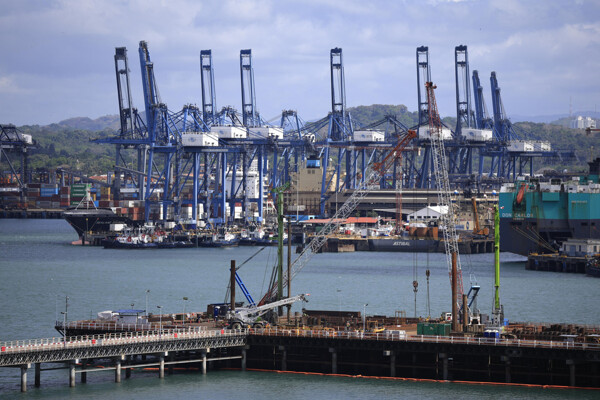
Panama Ports Company S.A. (PPC) announced the initiation of arbitration against the Republic of Panama on February 3, 2026, based on the applicable concession contract and the arbitration rules of the International Chamber of Commerce.
The start of the arbitration follows a state campaign specifically targeting PPC and its concession contract. Over the past year, a series of abrupt actions by the Panamanian state have resulted in significant and imminent damages to PPC, while similar contracts in the port sector have not been targeted. Despite extensive efforts, PPC was unable to gain clarity and avoid the dispute through consultations.
As background for the arbitration, PPC states that over the last year, the Panamanian state reversed its long-standing positions on legal and contractual frameworks, breached its contractual obligations, and initiated legal proceedings aimed at destroying the concession contract, which was the result of a transparent international bidding process.
In its statement, PPC highlights that it and its investor have invested far more in infrastructure, technology, and human development than any other port operator in the country. These investments have created thousands of direct and indirect jobs and were crucial in establishing Panama as a globally recognized port and logistics hub, attracting major world shipping lines and generating a positive impact for the entire nation.
The company also notes that the Supreme Court of Panama ruled the Law No. 5 of January 16, 1997 unconstitutional, a decision that directly affects PPC's concession contract. Although the ruling has not yet been published or come into effect, the state has already begun taking steps to take control of PPC's operations.
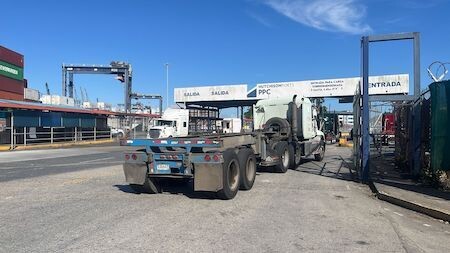
PPC continues to manage port operations and interact with state representatives, but its communications and requests for clarity have been routinely dismissed. The company is seeking comprehensive compensation based on a relevant financial data assessment and other necessary remedies, reserving all its rights.