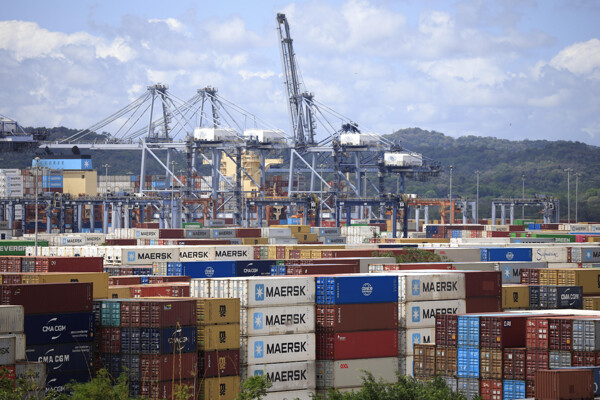
APM Terminals has initiated the stabilization phase of operations at the Balboa port after the Panamanian government handed over transitional operation for a period of up to 18 months. This is a process in which we must work with speed and precision so that the port can progressively resume its activity once the system installation is completed, along with other operational tasks, audits, training, and verification that our team will carry out at the Balboa port starting today,” stated Marliz Bermúdez, CEO of APM Terminals Panama. During this process, we will be regulating container movement at the terminal and providing constant updates to clients. "In this initial stabilization phase, our responsibility is to ensure that Panama maintains the continuity and reliability of its logistics hub. According to the port operator, during this phase, the priority is to ensure the continuity of the logistics hub while a new operating system is installed to resume container movement at the Balboa terminal with the least possible impact. The company APM Terminals began the stabilization phase of operations at the Balboa port after the Panamanian government granted it transitional operation for up to 18 months. Bermúdez added that they are aware of the challenge they have undertaken as a company in this unprecedented process, but they are fully committed to Panama and will work closely with their clients, authorities, and collaborators to ensure they have detailed information about the progress of this stabilization phase.
Key Points of the Stabilization Phase:
Labor Stability: incorporating collaborators through the substitution process. Audit: of processes, protocols, machinery, contracts, agreements, and other information about the terminal's operation for review and optimization. System Migration: transition to the Navis N4 operating system, used in a significant number of terminals globally. Asset Diagnosis: inventory and evaluation of cranes, equipment, and systems to identify existing problems in the terminal and define the operation, maintenance, and short-term adaptation plan. Operational Continuity: design and implementation of new contingency protocols to minimize the impact on container delivery and reception, as well as staff training on the new operating system. Customer Service: direct channels for shipping lines, clients, suppliers, and carriers with technical information and operational updates so they can know the status of their cargo. The expert staff will be key to the safe and orderly continuity of operations.
As well as protecting the cargo and the safety of people.